
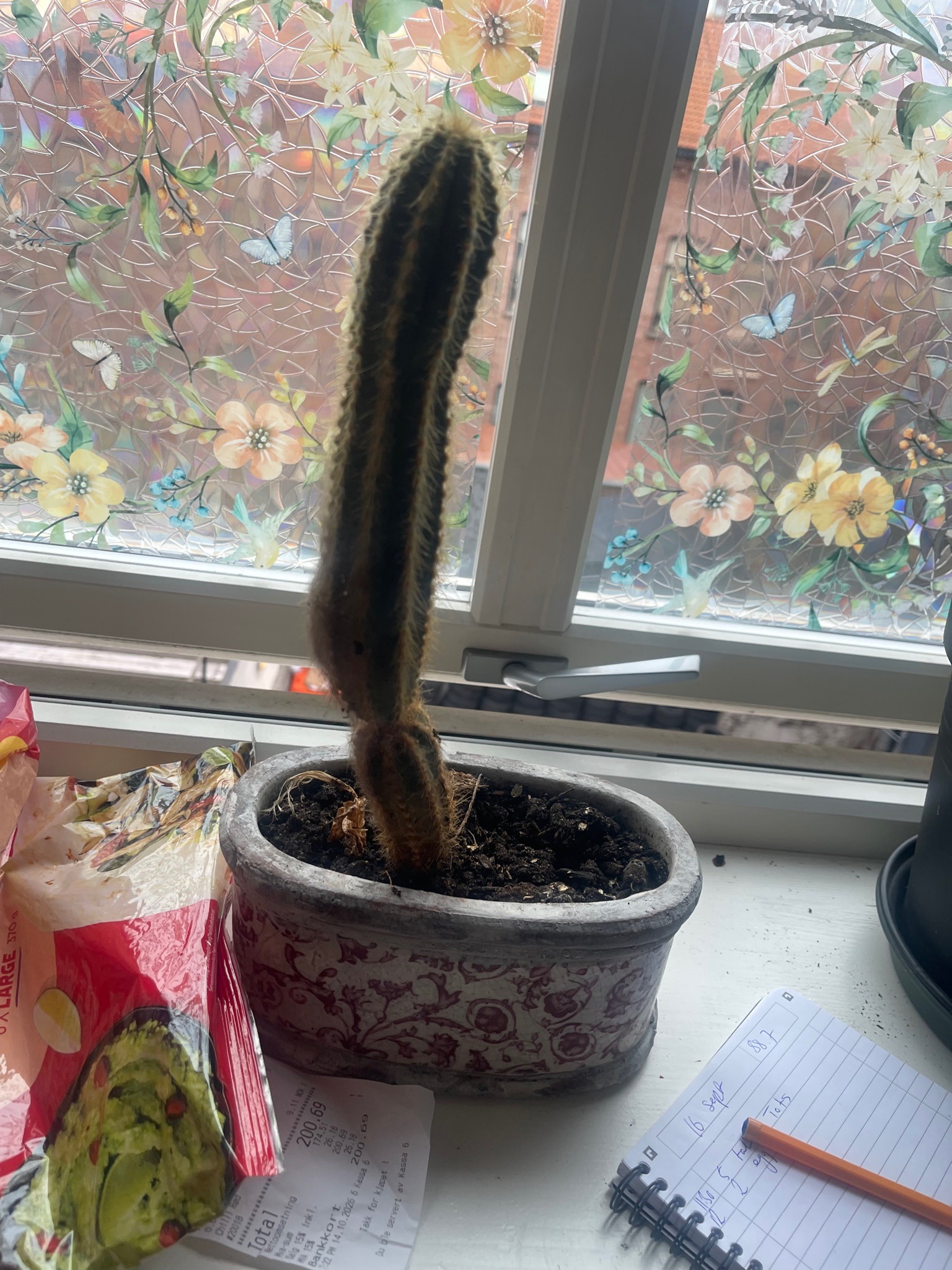
Old Man Cactus
Cleistocactus strausii
A columnar cactus featuring slender, upright gray-green stems densely covered in fine white hairs and spines, growing in upright clusters.
- Light
- Full sun, requiring at least 6 hours of direct sunlight daily.
- Water
- Water deeply during the spring and summer growing season, allowing the soil to dry out completely between waterings. Reduce watering drastically in winter.
- Growth
- Perennial columnar cactus that forms upright stems, reaching mature heights of 6 to 10 feet slowly with minimal lateral spread.
Care instructions
Provide bright, direct sunlight for several hours a day. Water thoroughly only when the soil has completely dried out, and keep it completely dry during the winter months. Use a well-draining cactus and succulent potting mix.
Growing details
Sunlight
Full sun, requiring at least 6 hours of direct sunlight daily.
Watering
Water deeply during the spring and summer growing season, allowing the soil to dry out completely between waterings. Reduce watering drastically in winter.
Soil
Fast-draining sandy or gravelly cactus soil mix with a neutral to slightly acidic pH range of 6.0 to 7.5.
Hardiness zone
USDA zones 9 to 11, highly sensitive to frost and freezing temperatures.
Growth habit
Perennial columnar cactus that forms upright stems, reaching mature heights of 6 to 10 feet slowly with minimal lateral spread.
Bloom season
Summer; produces tubular, dark red flowers that emerge horizontally along the stems.
Propagation
Propagated via stem cuttings allowed to callus over before planting, or through seeds sown in well-draining substrate.
Common pests & issues
Prone to root rot if overwatered or kept in poorly draining soil. Can occasionally attract mealybugs or scale insects.
Similar species
Cephalocereus senilis (Old Man Cactus), which features much longer, shaggier white hair completely obscuring the stem, whereas Cleistocactus strausii has shorter hair and prominent bristly spines.