
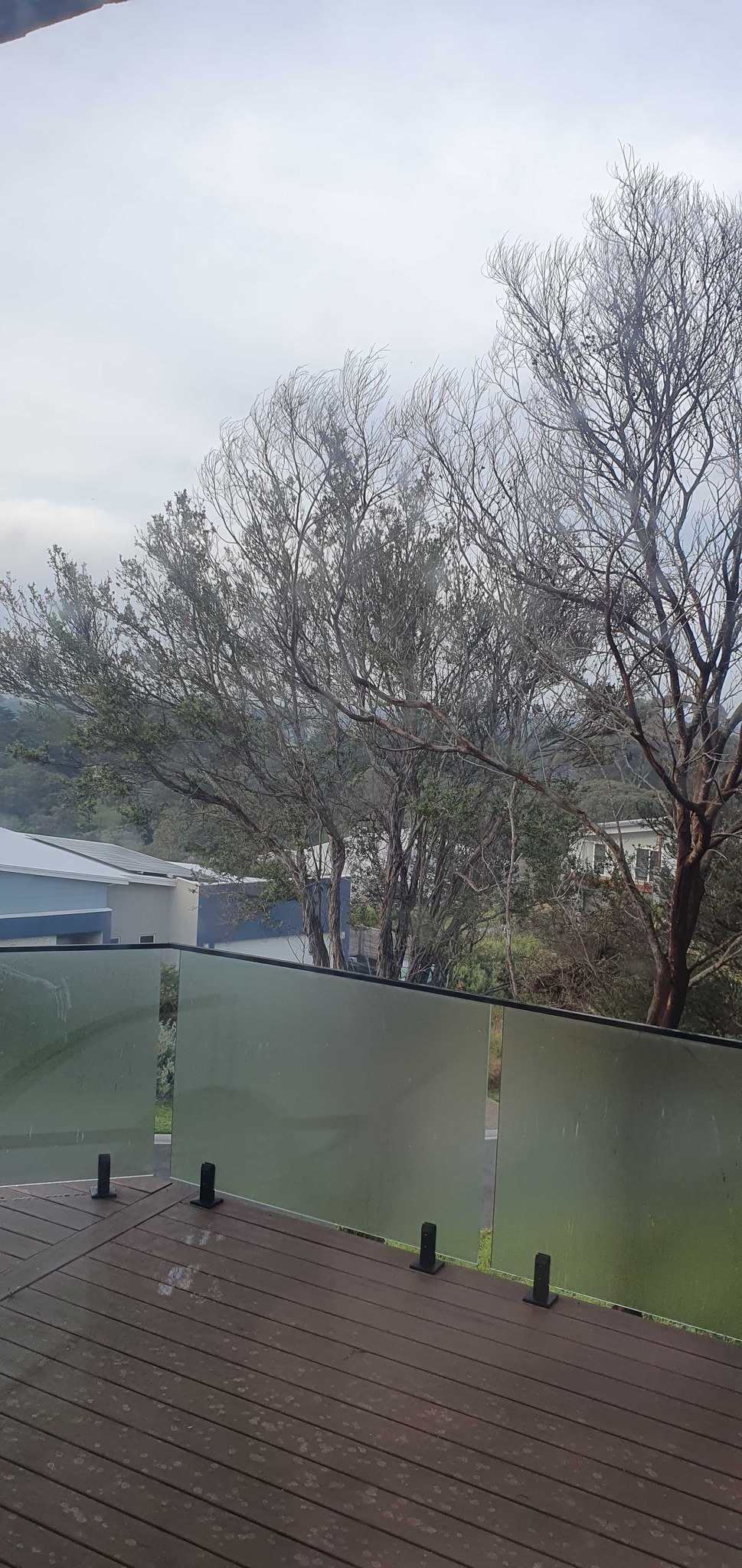
Paperbark Tree
Melaleuca quinquenervia
A medium to large tree known for its distinctive whitish, spongy, papery bark that peels in layers, with grey-green leathery leaves and spikes of creamy-white flowers.
- Light
- Full sun, requiring 6 to 8 hours of direct sunlight per day.
- Water
- High water requirements. Thrives in very moist or periodically flooded soils and displays good tolerance to standing water once established.
- Growth
- Perennial woody tree with an upright, spreading canopy, reaching mature heights of 25 to 40 feet with a moderate to fast growth rate.
Care instructions
Provide full sun and consistently moist to wet soil. Apply a balanced, slow-release fertilizer in spring to support healthy vegetative growth.
Growing details
Sunlight
Full sun, requiring 6 to 8 hours of direct sunlight per day.
Watering
High water requirements. Thrives in very moist or periodically flooded soils and displays good tolerance to standing water once established.
Soil
Adaptable to various soil types including sandy, loamy, or clay soils, with a preference for acidic to neutral pH ranging from 5.5 to 7.0.
Hardiness zone
USDA Hardiness Zones 9 through 11.
Growth habit
Perennial woody tree with an upright, spreading canopy, reaching mature heights of 25 to 40 feet with a moderate to fast growth rate.
Bloom season
Flowers intermittently throughout the year, primarily in autumn and winter, producing bottlebrush-like spikes of creamy-white flowers.
Propagation
Propagated primarily from fresh seed surface-sown on moist propagating medium, or through semi-hardwood cuttings taken during the active growing season.
Common pests & issues
Generally resistant to major diseases, though scale insects and psyllids can occasionally affect foliage. Prevent by maintaining good air circulation and monitoring regularly.
Similar species
Melaleuca alternifolia, which can be distinguished by narrower leaves and smaller stature compared to the broad leaves and larger tree form of Melaleuca quinquenervia.