
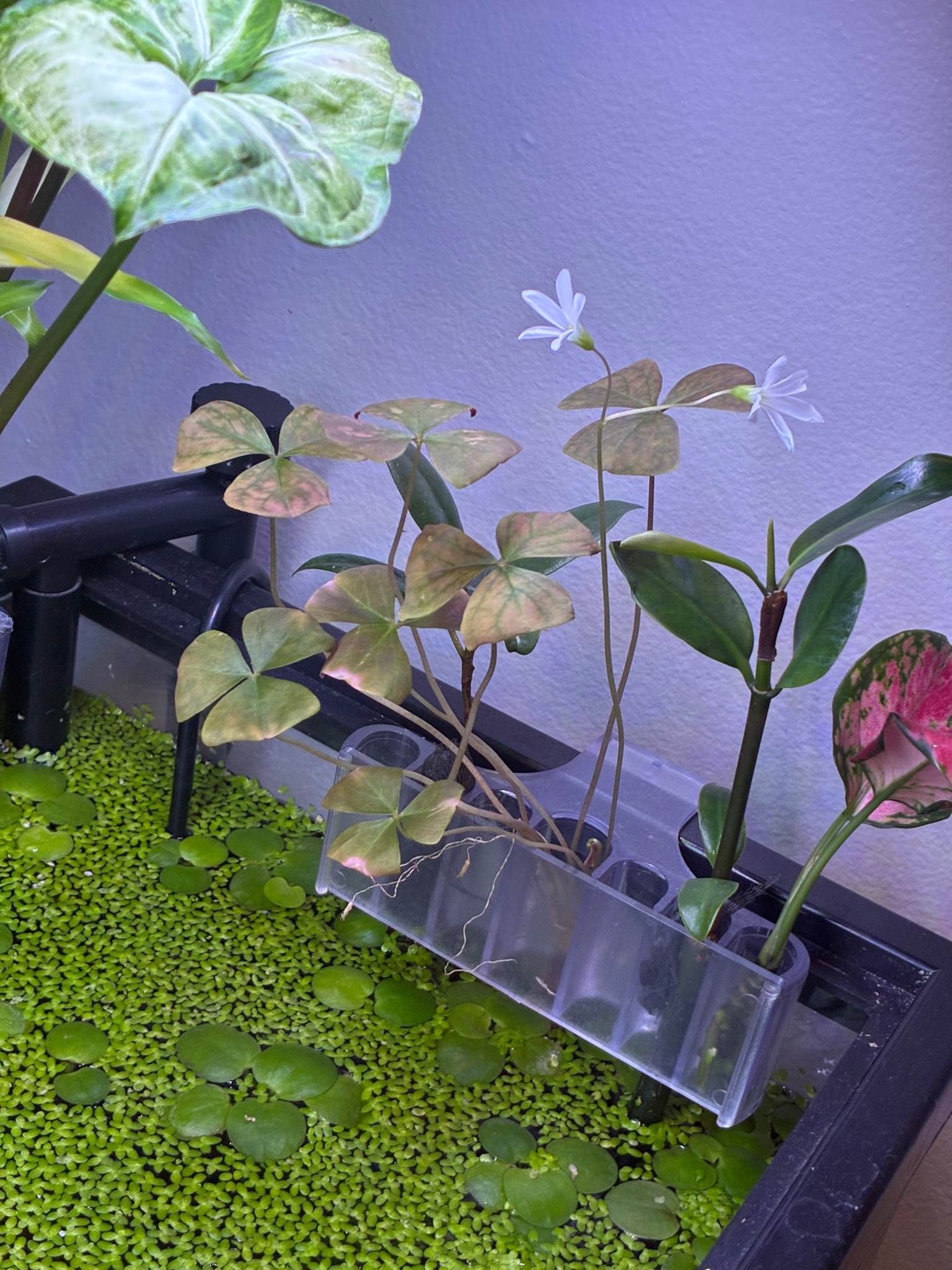
Pink-flower wood sorrel
Oxalis articulata
A low-growing perennial herb characterized by clover-like trifoliate leaves consisting of three heart-shaped leaflets and delicate flowers featuring five petals held on slender stems.
- Light
- Bright, indirect light to partial sun, about 4 to 6 hours daily
- Water
- Water when the top inch of soil feels dry. Maintain consistent moisture during the growing season and reduce watering during dormancy.
- Growth
- Herbaceous perennial forming a low clump, reaching heights of 6 to 12 inches with a similar spread, exhibiting a moderate growth rate.
Care instructions
Provide bright, indirect sunlight or partial sun. Keep the soil moderately moist but ensure good drainage to prevent waterlogging. Apply a balanced liquid fertilizer sparingly during the active growing season.
Growing details
Sunlight
Bright, indirect light to partial sun, about 4 to 6 hours daily
Watering
Water when the top inch of soil feels dry. Maintain consistent moisture during the growing season and reduce watering during dormancy.
Soil
Well-draining, loamy or sandy soil with a neutral to slightly acidic pH range of 6.0 to 7.0
Hardiness zone
USDA zones 7 through 10, sensitive to hard frosts
Growth habit
Herbaceous perennial forming a low clump, reaching heights of 6 to 12 inches with a similar spread, exhibiting a moderate growth rate.
Bloom season
Blooms from spring through autumn, producing funnel-shaped flowers in shades of pink, rose, or white with distinct darker veins.
Propagation
Propagated easily by dividing the underground tubers or rhizomes during the dormant period, or by seed.
Common pests & issues
Generally trouble-free, though excessive moisture can lead to root rot. Pests such as aphids or spider mites may occasionally appear.
Similar species
True clovers (Trifolium species) and Marsilea (water clover ferns), which can be distinguished by their alternate leaf arrangements, different floral structures, and distinct botanical classifications.