
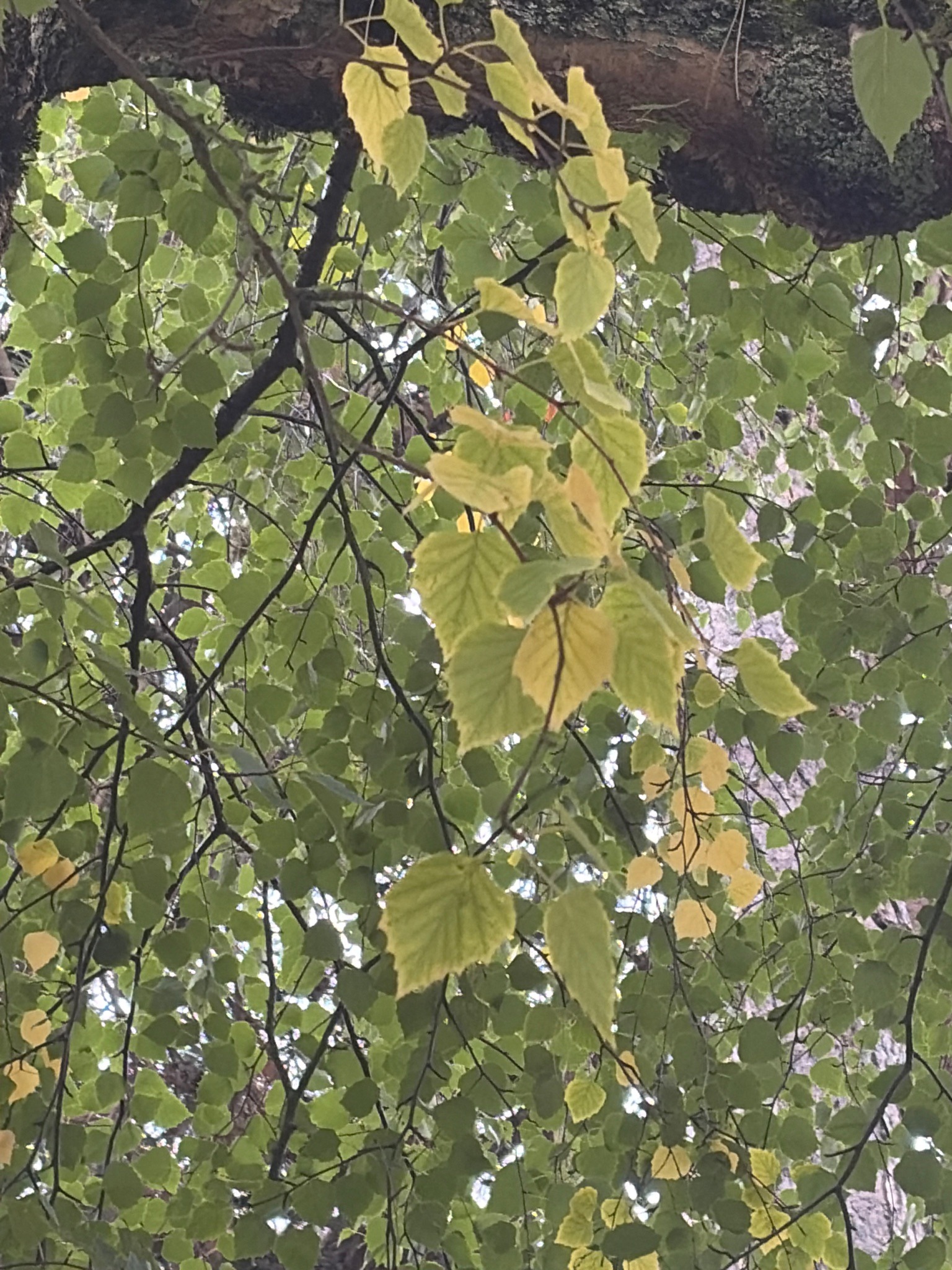
Quaking Aspen
Populus tremuloides
A deciduous tree known for its smooth, pale whitish-green bark and rounded, finely toothed leaves that tremble in the slightest breeze due to flattened petioles.
- Light
- Full sun, requiring at least 6 hours of direct sunlight daily
- Water
- High moisture requirements; prefers consistently damp soil and does not tolerate prolonged drought conditions
- Growth
- Perennial deciduous tree, growing rapidly to a mature height of 20 to 50 feet with a spread of 15 to 30 feet
Care instructions
Plant in full sun to partial shade with consistently moist, well-draining soil. Apply a balanced fertilizer in early spring if growth is slow. Pruning should be done during dormancy to avoid excessive sap flow.
Growing details
Sunlight
Full sun, requiring at least 6 hours of direct sunlight daily
Watering
High moisture requirements; prefers consistently damp soil and does not tolerate prolonged drought conditions
Soil
Prefers rich, loamy, well-draining soils with a neutral to slightly acidic pH range of 6.0 to 7.5
Hardiness zone
USDA Hardiness Zones 1 to 6
Growth habit
Perennial deciduous tree, growing rapidly to a mature height of 20 to 50 feet with a spread of 15 to 30 feet
Bloom season
Spring; produces dangling catkins before the leaves fully emerge, non-fragrant
Propagation
Propagated primarily through root suckers and hardwood cuttings, or from tiny wind-dispersed seeds
Common pests & issues
Susceptible to cankers, leaf spots, borers, and defoliating caterpillars; proper spacing and good air circulation help minimize disease
Similar species
Bigtooth Aspen (Populus grandidentata), which has coarser, larger teeth along the leaf margins compared to the finely toothed leaves of the quaking aspen