
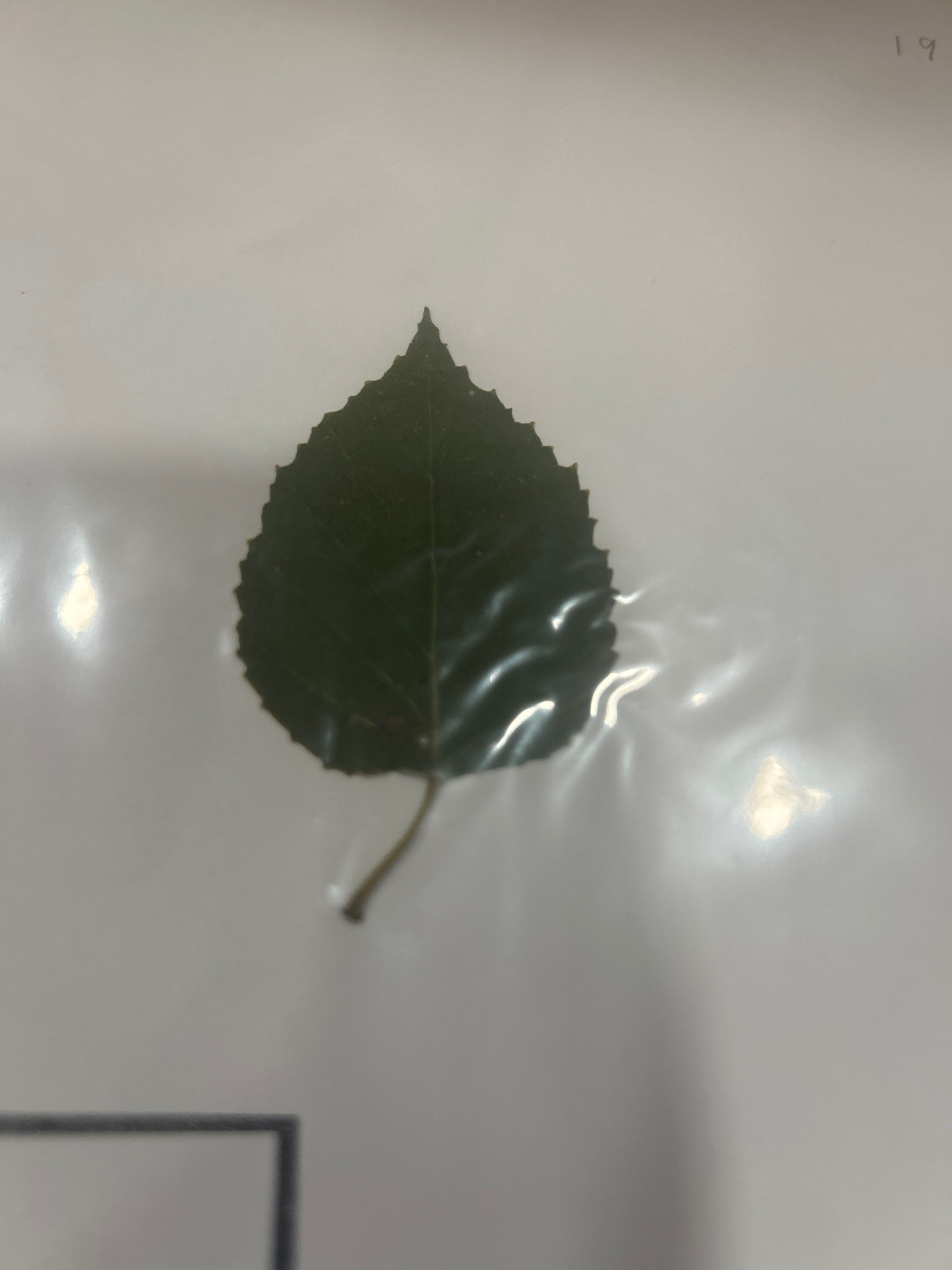
Quaking Aspen
Populus tremuloides
A medium-sized deciduous tree featuring smooth white bark and rounded to deltoid leaves with finely serrated margins and flattened petioles that cause the leaves to tremble in the wind.
- Light
- Full sun, requiring at least 6 hours of direct sunlight daily
- Water
- High moisture requirements; prefers damp, well-drained soils and does not tolerate extended drought conditions
- Growth
- Perennial deciduous tree, reaching mature heights of 40 to 60 feet with an upright, spreading canopy and a rapid growth rate
Care instructions
Provide full sun and consistently moist, well-draining soils. They thrive best in cooler climates and require minimal pruning once established.
Growing details
Sunlight
Full sun, requiring at least 6 hours of direct sunlight daily
Watering
High moisture requirements; prefers damp, well-drained soils and does not tolerate extended drought conditions
Soil
Prefers rich, loamy, sandy, or clay soils with good drainage and a neutral to slightly acidic pH range of 6.0 to 7.5
Hardiness zone
USDA zones 1 through 6
Growth habit
Perennial deciduous tree, reaching mature heights of 40 to 60 feet with an upright, spreading canopy and a rapid growth rate
Bloom season
Spring, featuring drooping catkins before the new leaves emerge
Propagation
Propagated primarily through root suckers and hardwood cuttings, or by seed
Common pests & issues
Susceptible to various leaf spots, cankers, rusts, and defoliating insects such as tent caterpillars; ensure good air circulation and avoid mechanical damage to the bark
Similar species
Bigtooth Aspen (Populus grandidentata), which can be distinguished by its larger, coarser leaf teeth and flatter buds