
River Birch
Betula nigra
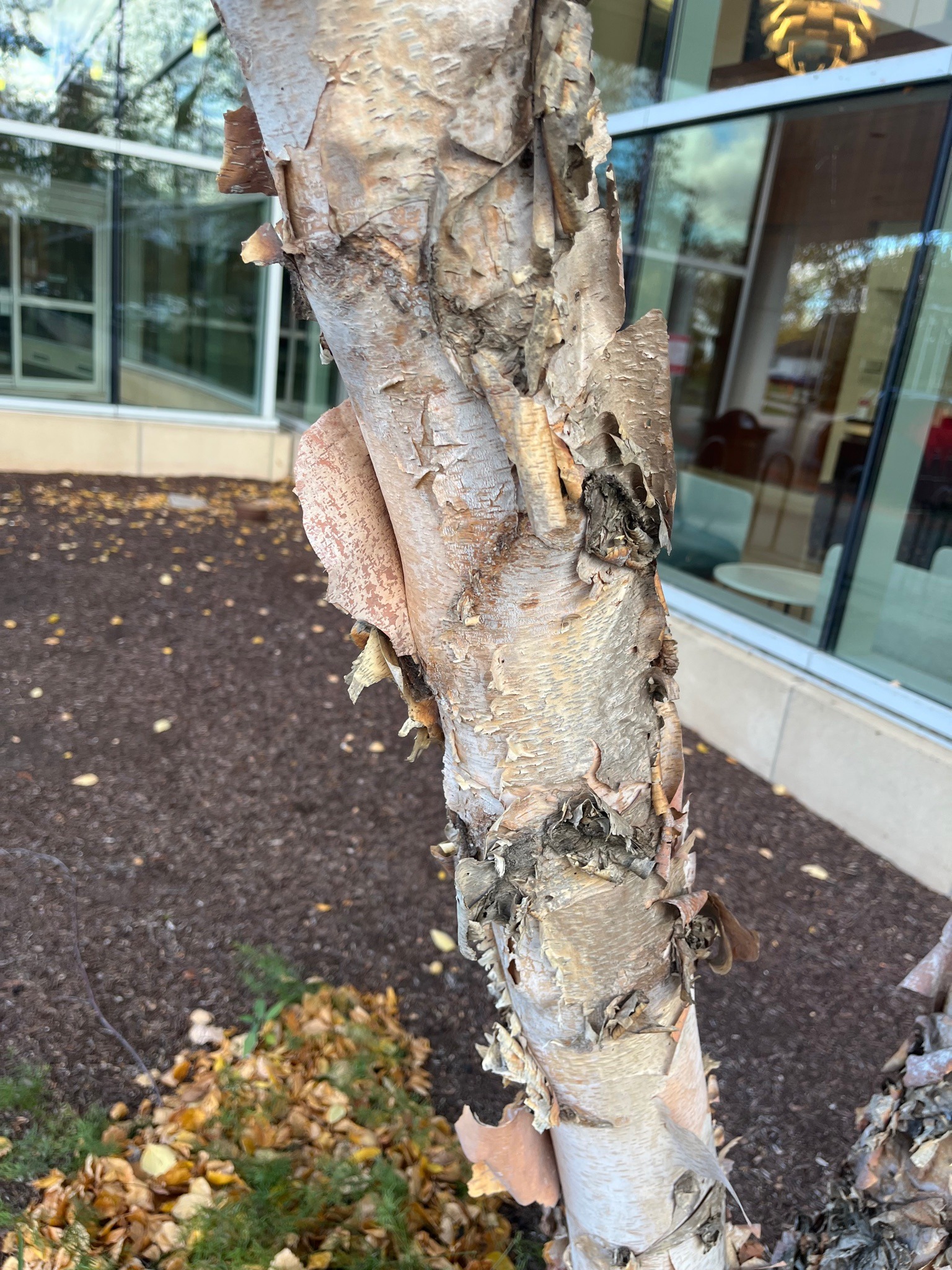
A medium-sized deciduous tree notable for its striking exfoliating bark, which peels in curly papery sheets to reveal rich cinnamon-brown to pinkish-gray inner bark.
- Light
- Full sun to partial shade, requiring at least 6 hours of direct sunlight daily
- Water
- High water requirements; thrives in wet soils and needs frequent irrigation during dry summer periods to prevent leaf drop
- Growth
- Deciduous tree with an upright, oval to rounded canopy. Reaches a mature height of 40 to 70 feet and a spread of 40 to 60 feet with a moderate to fast growth rate
Care instructions
Provide full sun to partial shade with consistently moist, well-draining acidic soil. Water deeply during dry spells as this species prefers wet habitats. Apply a balanced slow-release fertilizer in early spring.
Growing details
Sunlight
Full sun to partial shade, requiring at least 6 hours of direct sunlight daily
Watering
High water requirements; thrives in wet soils and needs frequent irrigation during dry summer periods to prevent leaf drop
Soil
Prefers rich, moist, acidic soils (pH 5.0 to 6.5) with good organic content, though it adapts well to clay soils
Hardiness zone
USDA Hardiness Zones 4 through 9
Growth habit
Deciduous tree with an upright, oval to rounded canopy. Reaches a mature height of 40 to 70 feet and a spread of 40 to 60 feet with a moderate to fast growth rate
Bloom season
Spring, producing inconspicuous brownish-green catkins before or alongside the emergence of new leaves
Propagation
Propagated via softwood cuttings taken in late spring or by sowing stratified seeds in a cold frame
Common pests & issues
Generally resilient, but susceptible to birch borer insects, aphids, and fungal leaf spot diseases in stressed conditions
Similar species
Paper Birch (Betula papyrifera), which features distinctly white, non-peeling bark in contrast to the dark, exfoliating cinnamon bark of the River Birch