
Rose
Rosa spp.
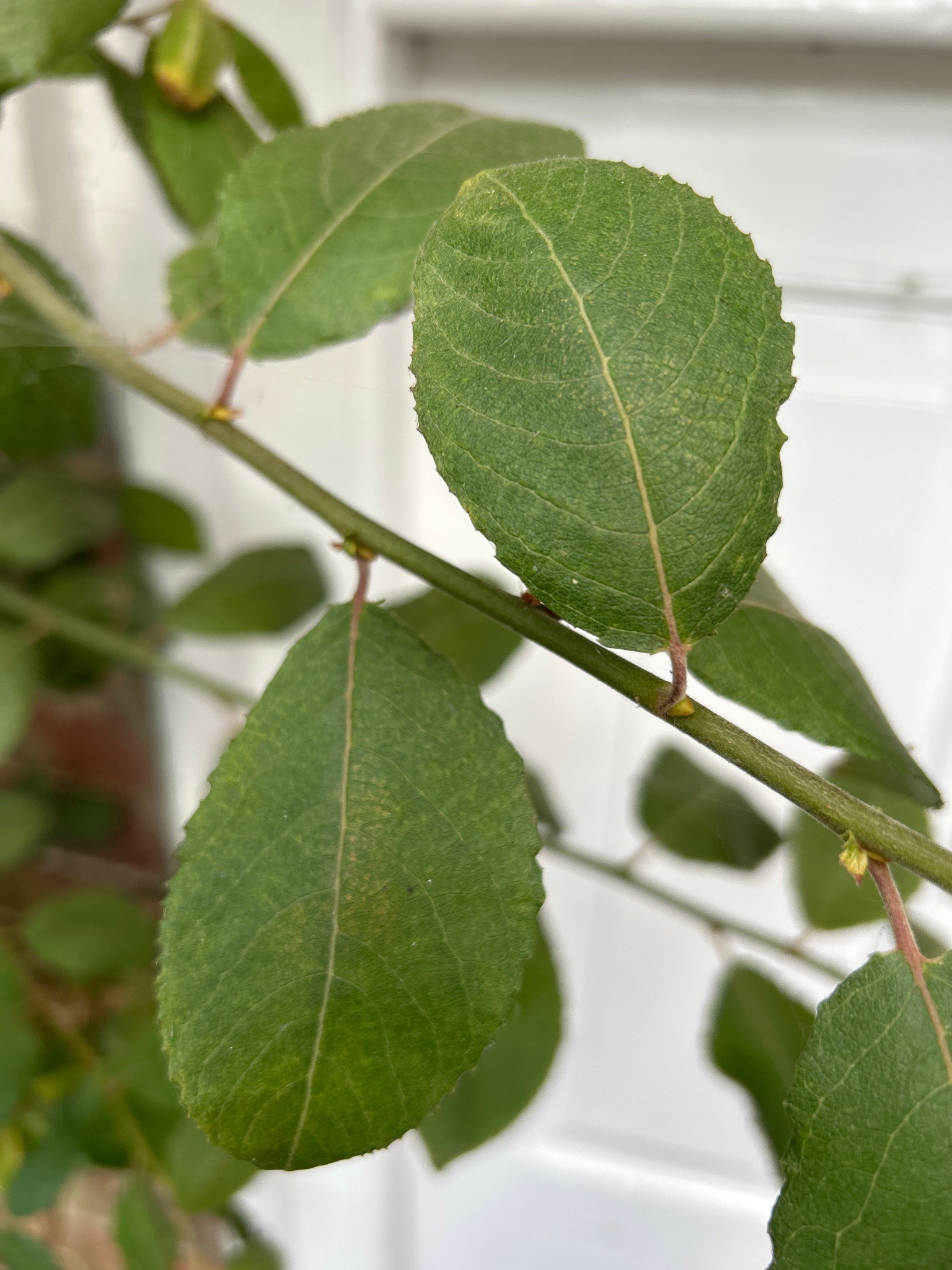
A woody perennial shrub featuring alternate, pinnately compound leaves with serrated margins and typically prickly stems.
- Light
- Full sun, requiring a minimum of 6 hours of direct sunlight per day.
- Water
- Water deeply once or twice a week depending on weather conditions, allowing the top couple of inches of soil to dry out between waterings. Avoid overhead watering to reduce moisture on leaves.
- Growth
- Woody perennial shrub with upright, arching, or climbing growth habits. Mature heights range from 1 to 3 meters with varying spreads based on the specific type.
Care instructions
Provide full sun with at least six hours of direct sunlight daily, water deeply and consistently at the base to keep the soil evenly moist, plant in well-draining rich loam, and apply a balanced fertilizer during the growing season.
Growing details
Sunlight
Full sun, requiring a minimum of 6 hours of direct sunlight per day.
Watering
Water deeply once or twice a week depending on weather conditions, allowing the top couple of inches of soil to dry out between waterings. Avoid overhead watering to reduce moisture on leaves.
Soil
Rich, well-draining loamy soil with an optimal pH range between 6.0 and 6.5.
Hardiness zone
USDA hardiness zones 3 through 9, depending on the specific species and cultivar.
Growth habit
Woody perennial shrub with upright, arching, or climbing growth habits. Mature heights range from 1 to 3 meters with varying spreads based on the specific type.
Bloom season
Blooms from late spring through autumn, producing single or clustered flowers in shades of red, pink, white, yellow, and orange, often with a sweet fragrance.
Propagation
Propagated primarily through stem cuttings taken in spring or summer, budding, and occasionally by seeds.
Common pests & issues
Susceptible to fungal diseases such as black spot, powdery mildew, and rust, as well as pests like aphids and spider mites. Prevent issues by ensuring good air circulation and maintaining proper watering practices.
Similar species
Look-alike species include members of the Rosaceae family such as blackberries (Rubus spp.), which can be distinguished by different thorn arrangements and fruit structures.