
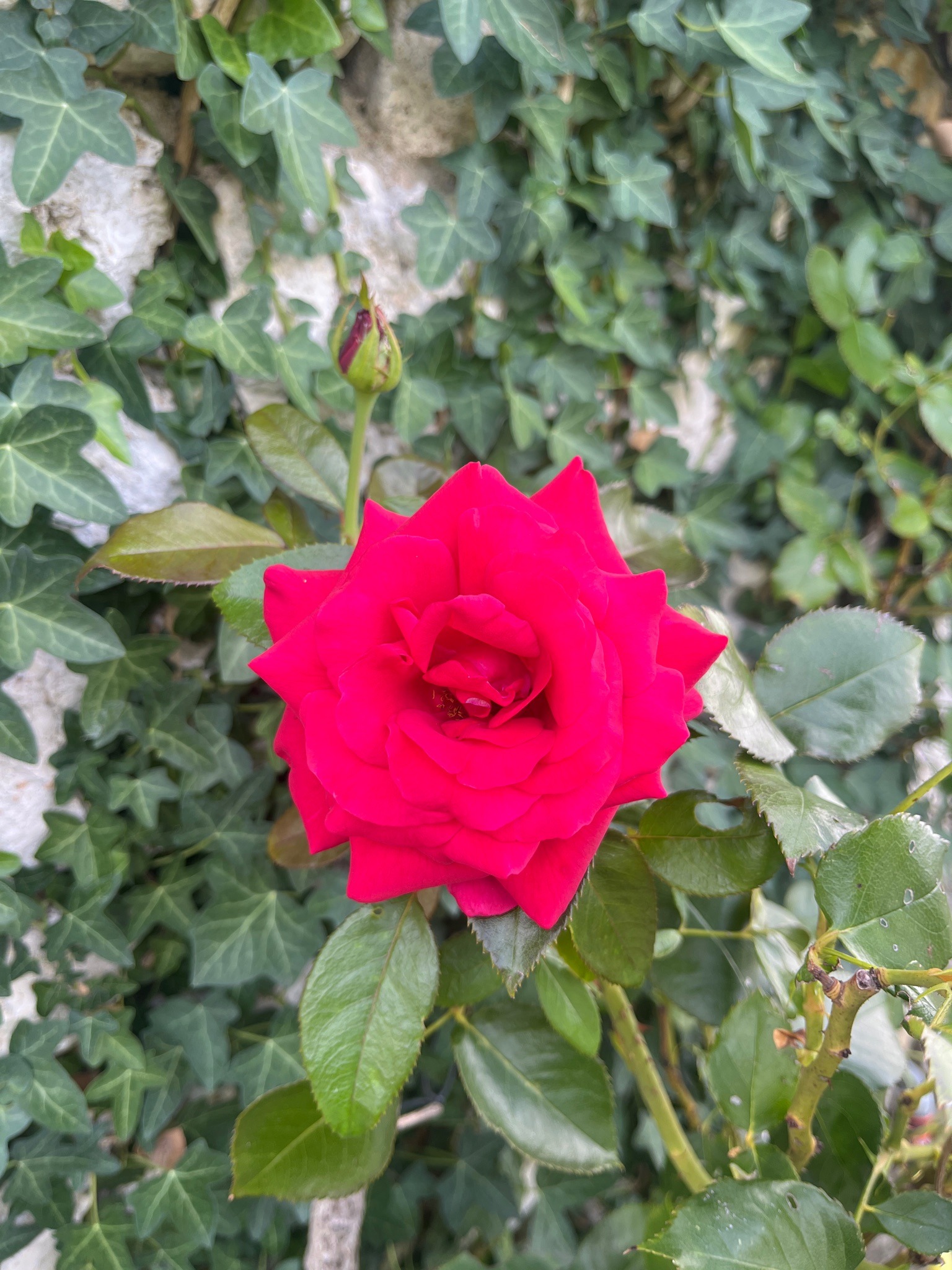
Rose
Rosa rubiginosa
A woody perennial flowering plant characterized by showy blossoms, serrated leaves, and stems typically armed with sharp prickles.
- Light
- Full sun, requiring a minimum of 6 hours of direct sunlight per day
- Water
- Water deeply once a week, increasing frequency during extended dry periods. Allow the top inch of soil to dry out between waterings.
- Growth
- Deciduous or evergreen perennial shrub or climber, varying in height from 2 to 6 feet or more depending on the variety, with a moderate to fast growth rate
Care instructions
Provide full sun with at least six hours of direct light daily. Water deeply at the base to keep the soil consistently moist but well-draining, avoiding overhead watering to protect foliage. Apply a balanced fertilizer during the growing season and prune annually in early spring.
Growing details
Sunlight
Full sun, requiring a minimum of 6 hours of direct sunlight per day
Watering
Water deeply once a week, increasing frequency during extended dry periods. Allow the top inch of soil to dry out between waterings.
Soil
Rich, loamy, well-draining soil with an optimal pH range between 6.0 and 6.5
Hardiness zone
USDA Hardiness Zones 4 through 9
Growth habit
Deciduous or evergreen perennial shrub or climber, varying in height from 2 to 6 feet or more depending on the variety, with a moderate to fast growth rate
Bloom season
Blooms from late spring through autumn with multi-petaled flowers in shades of red, pink, white, yellow, or orange
Propagation
Propagated primarily through stem cuttings taken in spring or summer, or via budding and grafting onto rootstocks
Common pests & issues
Susceptible to fungal conditions such as powdery mildew and black spot, as well as pests like aphids and spider mites. Prevent by ensuring good air circulation and applying appropriate horticultural treatments if necessary.
Similar species
Camellias and peonies can appear similar in bloom shape, but are distinguished by different foliage structures, stem characteristics, and lack of prickles.