
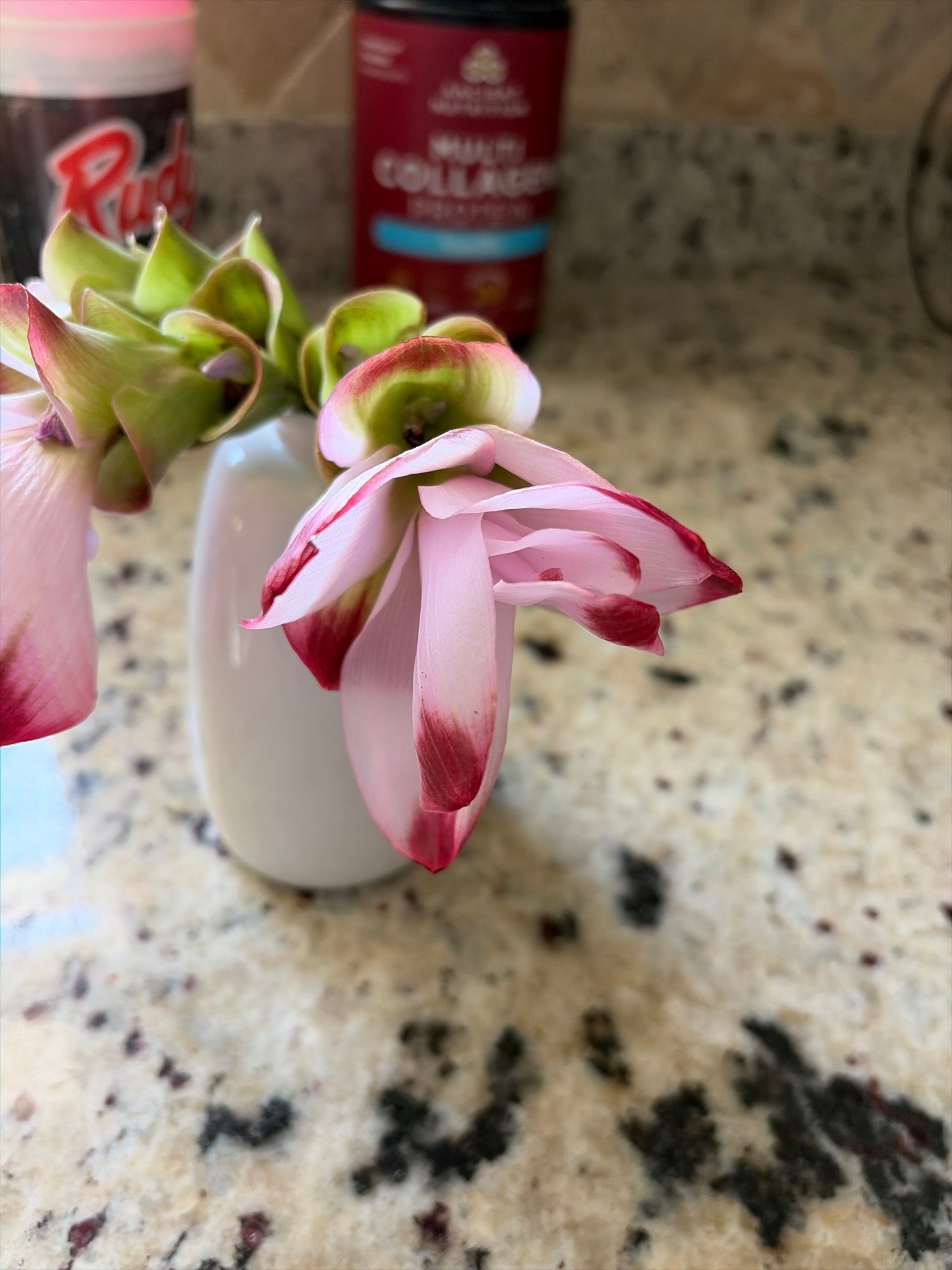
Siam tulip
Curcuma alismatifolia
Curcuma alismatifolia, commonly known as the Siam tulip or summer tulip, is a tropical plant featuring striking, long-lasting colorful bracts that resemble tulip blooms. The actual flowers are small and inconspicuous, nestled between the large, vibrant pink or white bracts at the top of long stems, complemented by broad, lanceolate green foliage.
- Light
- Bright indirect light to partial sun, ideally 4 to 6 hours of filtered sunlight daily.
- Water
- Water deeply when the top inch of soil feels dry. Maintain consistent moisture during active summer growth, but avoid letting the rhizome sit in stagnant water. Withhold water almost entirely during the winter dormancy phase.
- Growth
- Herbaceous perennial growing from underground rhizomes, reaching a mature height of 1 to 3 feet with a moderate spread, exhibiting rapid growth during the warm spring and summer months.
Care instructions
Grow in warm, humid conditions with bright indirect light. Water regularly to keep the soil consistently moist during the growing season, and reduce watering significantly when the foliage begins to die back in autumn for its natural dormancy period. Provide well-draining soil rich in organic matter and apply a balanced liquid fertilizer monthly during the active growing period.
Growing details
Sunlight
Bright indirect light to partial sun, ideally 4 to 6 hours of filtered sunlight daily.
Watering
Water deeply when the top inch of soil feels dry. Maintain consistent moisture during active summer growth, but avoid letting the rhizome sit in stagnant water. Withhold water almost entirely during the winter dormancy phase.
Soil
Rich, loamy, highly porous soil with excellent drainage, maintaining a slightly acidic to neutral pH range of 6.0 to 6.5.
Hardiness zone
USDA Hardiness Zones 8 to 11, cultivated as a summer perennial outdoors or as an indoor potted plant in cooler regions.
Growth habit
Herbaceous perennial growing from underground rhizomes, reaching a mature height of 1 to 3 feet with a moderate spread, exhibiting rapid growth during the warm spring and summer months.
Bloom season
Blooms during summer and early autumn, producing large, showy pink, purple, or white bracts atop sturdy floral stalks.
Propagation
Propagated primarily through the division of mature rhizomes in early spring just as new growth begins, ensuring each section has at least one active growth bud.
Common pests & issues
Prone to root rot if overwatered or kept in poorly draining soil. Leaf spot and fungal issues can occur in humid, stagnant environments with inadequate airflow. Pests such as spider mites and mealybugs may occasionally affect indoor specimens.
Similar species
Curcuma petiolata (Queen Lily) and other Curcuma species; distinguished by its narrow, oblong-lanceolate leaves and distinctively vibrant, tulip-like pink bracts.