
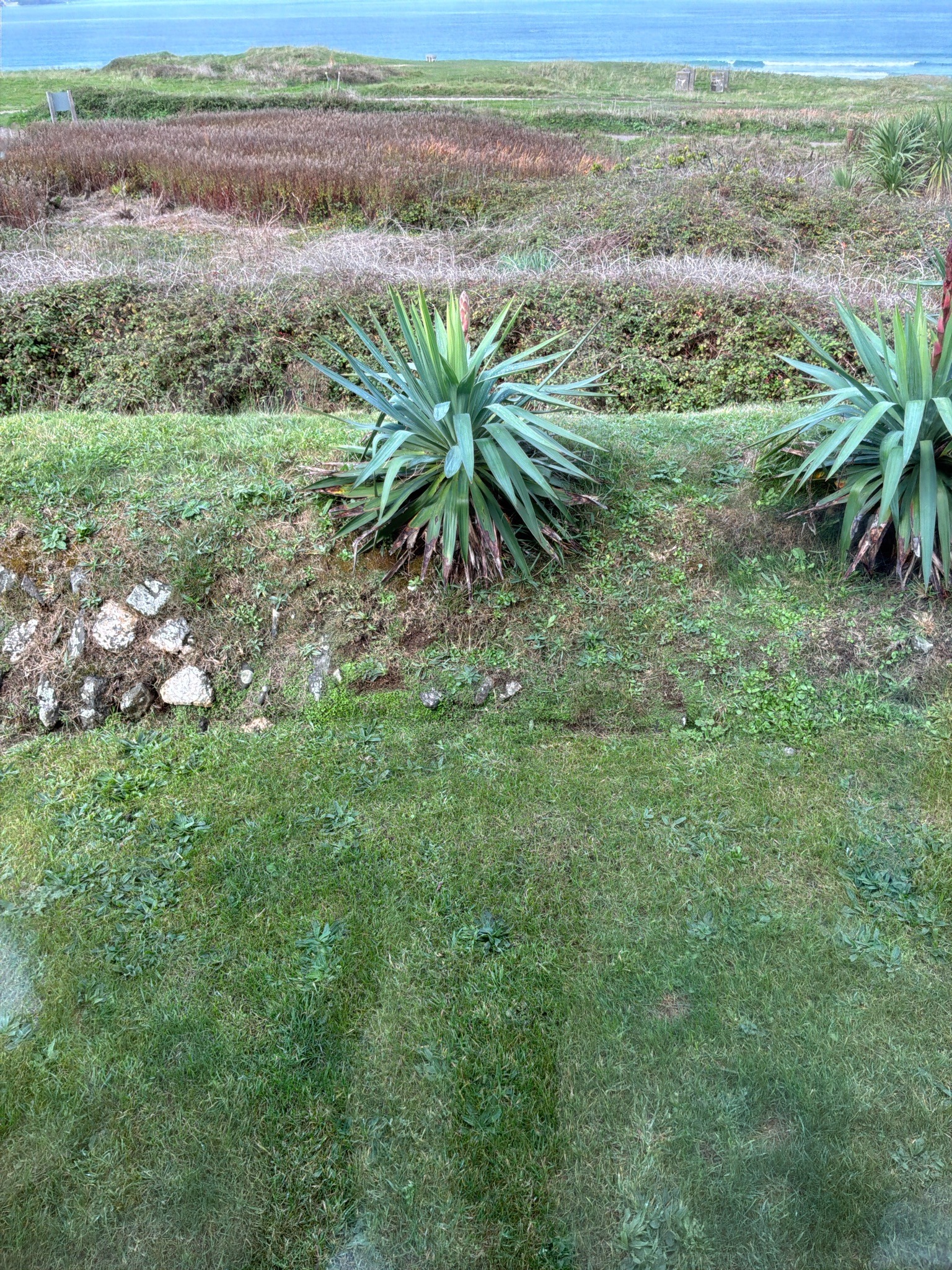
Spanish Bayonet
Yucca aloifolia
An evergreen shrub featuring stiff, sword-shaped leaves with sharp terminal points arranged in dense rosettes, often developing a woody trunk over time.
- Light
- Full sun, requiring at least 6 hours of direct sunlight daily
- Water
- Low water needs; highly drought-tolerant once established. Water every 2 to 3 weeks during the growing season and sparingly in winter. Avoid overwatering to prevent root rot.
- Growth
- Evergreen perennial shrub with an upright, rosette-forming habit, reaching mature heights of 2 to 6 meters with a spread of 1 to 2 meters, exhibiting a slow to moderate growth rate
Care instructions
Provide full sun and exceptionally well-draining soil. Water deeply but infrequently, allowing the soil to dry out completely between waterings. Apply a balanced, slow-release fertilizer in early spring.
Growing details
Sunlight
Full sun, requiring at least 6 hours of direct sunlight daily
Watering
Low water needs; highly drought-tolerant once established. Water every 2 to 3 weeks during the growing season and sparingly in winter. Avoid overwatering to prevent root rot.
Soil
Gritty, sandy, or rocky soil with excellent drainage and a neutral to slightly alkaline pH range of 6.0 to 7.5
Hardiness zone
USDA Hardiness Zones 8 through 11
Growth habit
Evergreen perennial shrub with an upright, rosette-forming habit, reaching mature heights of 2 to 6 meters with a spread of 1 to 2 meters, exhibiting a slow to moderate growth rate
Bloom season
Flowers in summer, producing large, erect panicles of creamy-white, bell-shaped flowers
Propagation
Propagated through stem cuttings, root offsets (pups), or occasionally seeds sown in well-draining medium in spring
Common pests & issues
Susceptible to root rot in poorly draining soils. Pests such as scale insects and mealybugs may occasionally appear and can be treated with insecticidal soap.
Similar species
Yucca gloriosa (Mound Lily Yucca), which features softer, less rigid leaves that generally curve downward more gracefully than the exceptionally stiff, upright leaves of Yucca aloifolia