
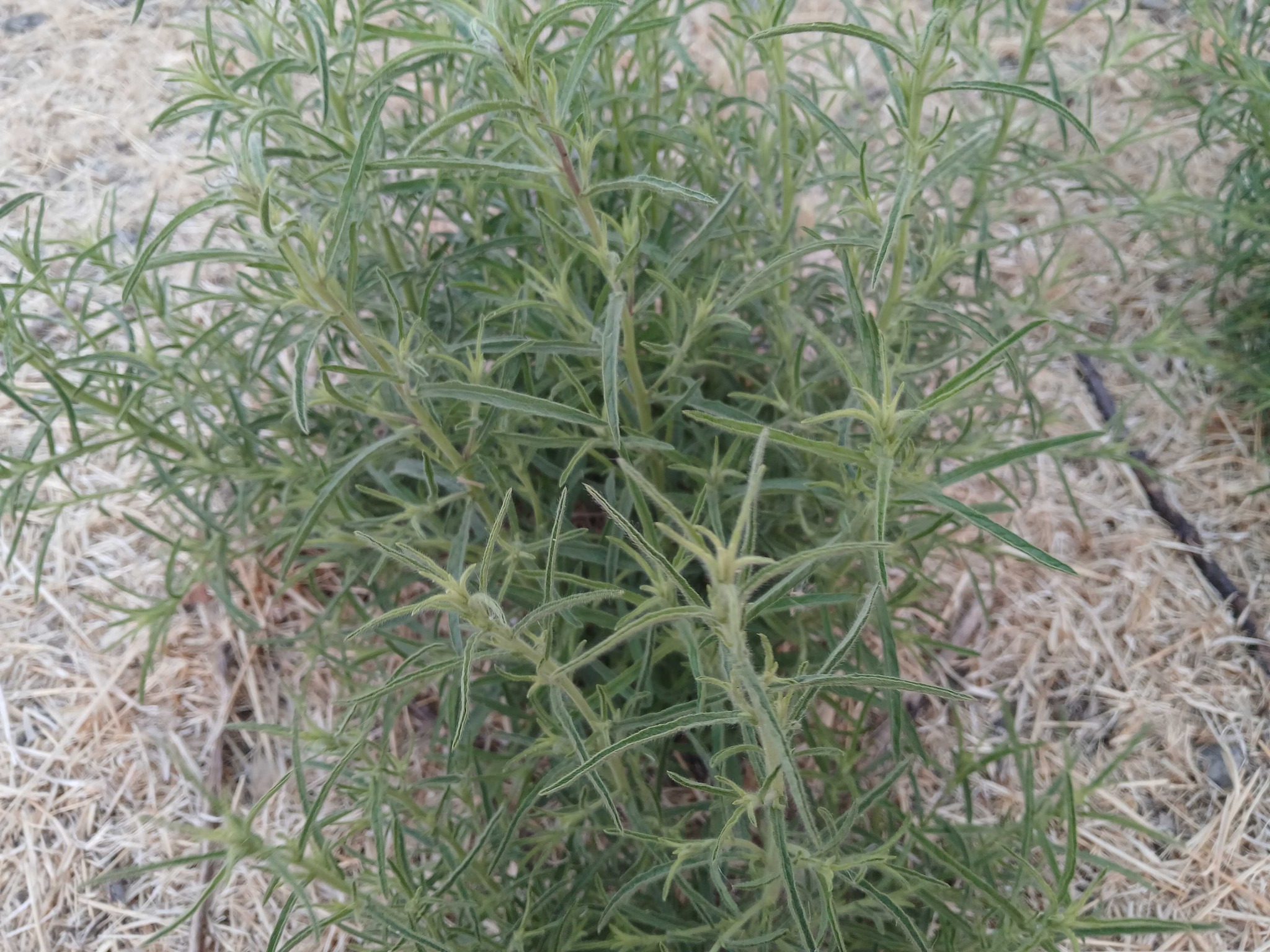
Summer Savory
Satureja hortensis
An annual herbaceous plant featuring upright, branching stems densely covered in small, linear, dark green leaves and producing small tubular flowers.
- Light
- Full sun, requiring at least 6 to 8 hours of direct sunlight per day.
- Water
- Low to moderate water requirements. Drought-tolerant once established. Allow the top inch of soil to dry out between waterings to prevent root issues.
- Growth
- An herbaceous annual with an upright, bushy growth habit, reaching a mature height of 10 to 18 inches and spreading about 6 to 12 inches with a moderate growth rate.
Care instructions
Provide full sun exposure for at least six hours daily. Water moderately, allowing the soil to dry out somewhat between watering sessions. Plant in well-draining soil and apply a balanced, low-nitrogen fertilizer sparingly during the growing season.
Growing details
Sunlight
Full sun, requiring at least 6 to 8 hours of direct sunlight per day.
Watering
Low to moderate water requirements. Drought-tolerant once established. Allow the top inch of soil to dry out between waterings to prevent root issues.
Soil
Prefers light, sandy, or loamy well-draining soils with a neutral to slightly alkaline pH ranging from 6.5 to 7.5.
Hardiness zone
Typically grown as a hardy annual across USDA zones 2 through 11.
Growth habit
An herbaceous annual with an upright, bushy growth habit, reaching a mature height of 10 to 18 inches and spreading about 6 to 12 inches with a moderate growth rate.
Bloom season
Blooms from mid-summer to early autumn, producing small tubular flowers in shades of white, pink, or light purple.
Propagation
Propagated easily from seeds sown directly in the garden after the last spring frost or started indoors 4 to 6 weeks prior to planting out.
Common pests & issues
Generally resilient against pests, but can suffer from root rot or fungal diseases if planted in poorly draining, overly wet soils. Ensure good air circulation.
Similar species
Winter Savory (Satureja montana), which can be distinguished by its woody, perennial habit and narrower, stiffer evergreen leaves.