
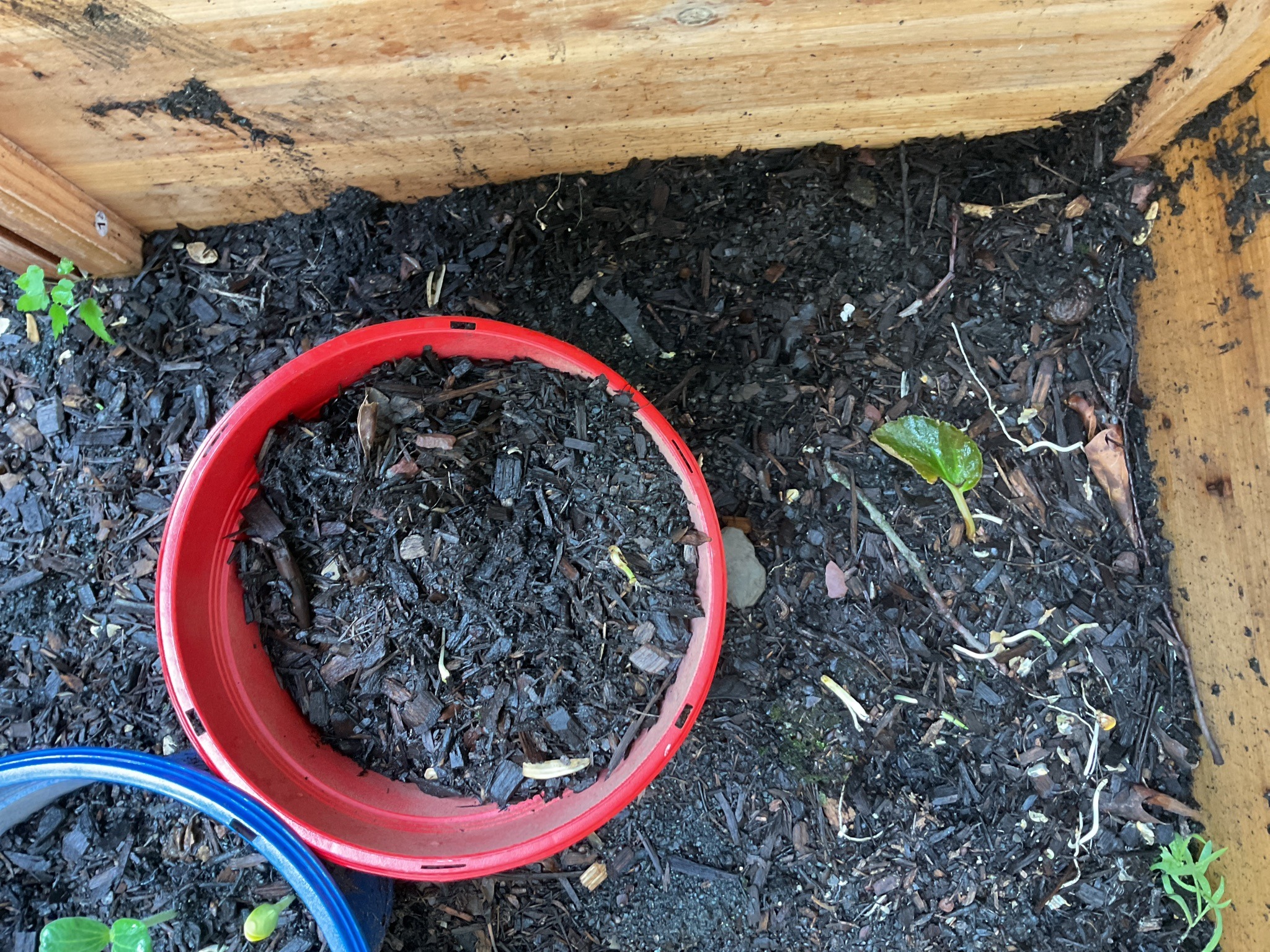
Sunflower
Helianthus annuus
An annual plant featuring a thick, erect, hairy stem, broad, coarsely toothed, rough leaves, and large, bright flower heads.
- Light
- Full sun, requiring 6 to 8 hours of direct sunlight daily
- Water
- Moderate watering needs. Water deeply when the top few inches of soil feel dry. Mature plants show good drought tolerance, but consistent moisture supports optimal bloom development.
- Growth
- Herbaceous annual with a rapid growth rate, typically reaching mature heights from 3 to 10 feet or more, with a spread of 1 to 3 feet
Care instructions
Provide full sun with at least 6 to 8 hours of direct light daily. Water consistently at the base of the plant to keep the soil evenly moist, especially during dry spells, allowing it to dry out slightly between waterings. Use fertile, well-draining soil and apply a balanced, slow-release fertilizer during the growing season to support strong vertical growth.
Growing details
Sunlight
Full sun, requiring 6 to 8 hours of direct sunlight daily
Watering
Moderate watering needs. Water deeply when the top few inches of soil feel dry. Mature plants show good drought tolerance, but consistent moisture supports optimal bloom development.
Soil
Well-draining loamy, sandy, or clay soils with a neutral pH range between 6.0 and 7.5
Hardiness zone
USDA Hardiness Zones 2 through 11, grown widely as an annual across all zones
Growth habit
Herbaceous annual with a rapid growth rate, typically reaching mature heights from 3 to 10 feet or more, with a spread of 1 to 3 feet
Bloom season
Blooms from mid-summer through early autumn, producing large composite flower heads with bright yellow ray florets surrounding dark brown or yellow center discs
Propagation
Propagated easily from seeds sown directly into the soil in spring after the final frost date, spaced a few inches apart and thinned as seedlings develop
Common pests & issues
Susceptible to powdery mildew, rust, stem rot, and fungal leaf spots in humid conditions, alongside pests like aphids and wireworms, which can be managed with proper plant spacing and good air circulation
Similar species
Jerusalem artichoke (Helianthus tuberosus), which is a perennial species with smaller flowers and edible tubers; distinguished by its perennial root system and multi-stemmed branching habit compared to the single tall stalk of common annual varieties
User notes
Could be a sunflower