
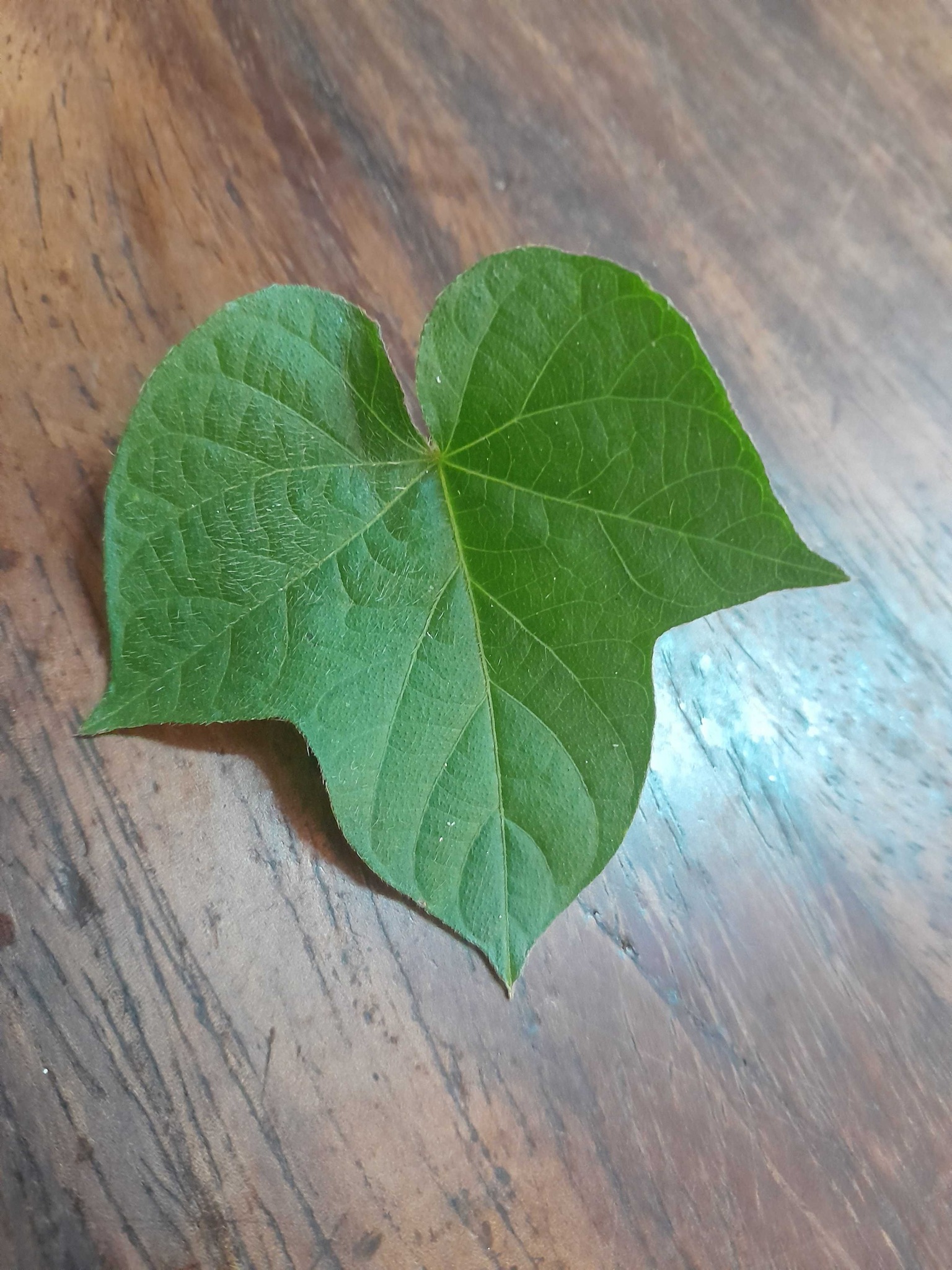
Sweet Potato Vine
Ipomoea batatas
A herbaceous perennial grown primarily for its lush foliage, featuring distinctive heart-shaped or lobed leaves in shades of green, bronze, or deep purple.
- Light
- Full sun to partial shade, approximately 6 to 8 hours of direct sunlight per day.
- Water
- Water regularly when the top inch of soil becomes dry. High drought tolerance once established, but foliage growth is maximized with consistent moisture.
- Growth
- Trailing or creeping herbaceous vine with a fast growth rate, reaching heights of 6 to 12 inches and a spread of up to several feet.
Care instructions
Provide full sun to partial shade, keep the soil consistently moist but well-draining, and apply a balanced, slow-release fertilizer monthly during the active growing season.
Growing details
Sunlight
Full sun to partial shade, approximately 6 to 8 hours of direct sunlight per day.
Watering
Water regularly when the top inch of soil becomes dry. High drought tolerance once established, but foliage growth is maximized with consistent moisture.
Soil
Well-draining loamy or sandy soils with a slightly acidic to neutral pH range of 5.5 to 6.5.
Hardiness zone
USDA zones 9 through 11, typically treated as an annual in cooler climates.
Growth habit
Trailing or creeping herbaceous vine with a fast growth rate, reaching heights of 6 to 12 inches and a spread of up to several feet.
Bloom season
Summer to autumn, featuring funnel-shaped, morning-glory-like flowers in pale pink or white, though blooming is rare when grown exclusively as an ornamental foliage plant.
Propagation
Easily propagated through stem cuttings placed in water or moist potting soil during the spring or summer months.
Common pests & issues
Susceptible to fungal leaf spots, stem rot in overly wet soils, and pests such as whiteflies, aphids, and spider mites. Prevent by ensuring adequate air circulation and proper drainage.
Similar species
Morning glories (Ipomoea species), which are often grown for their profuse floral displays rather than specialized foliage forms, and bindweeds (Convolvulus species), which tend to be more aggressive weeds with smaller leaves.