
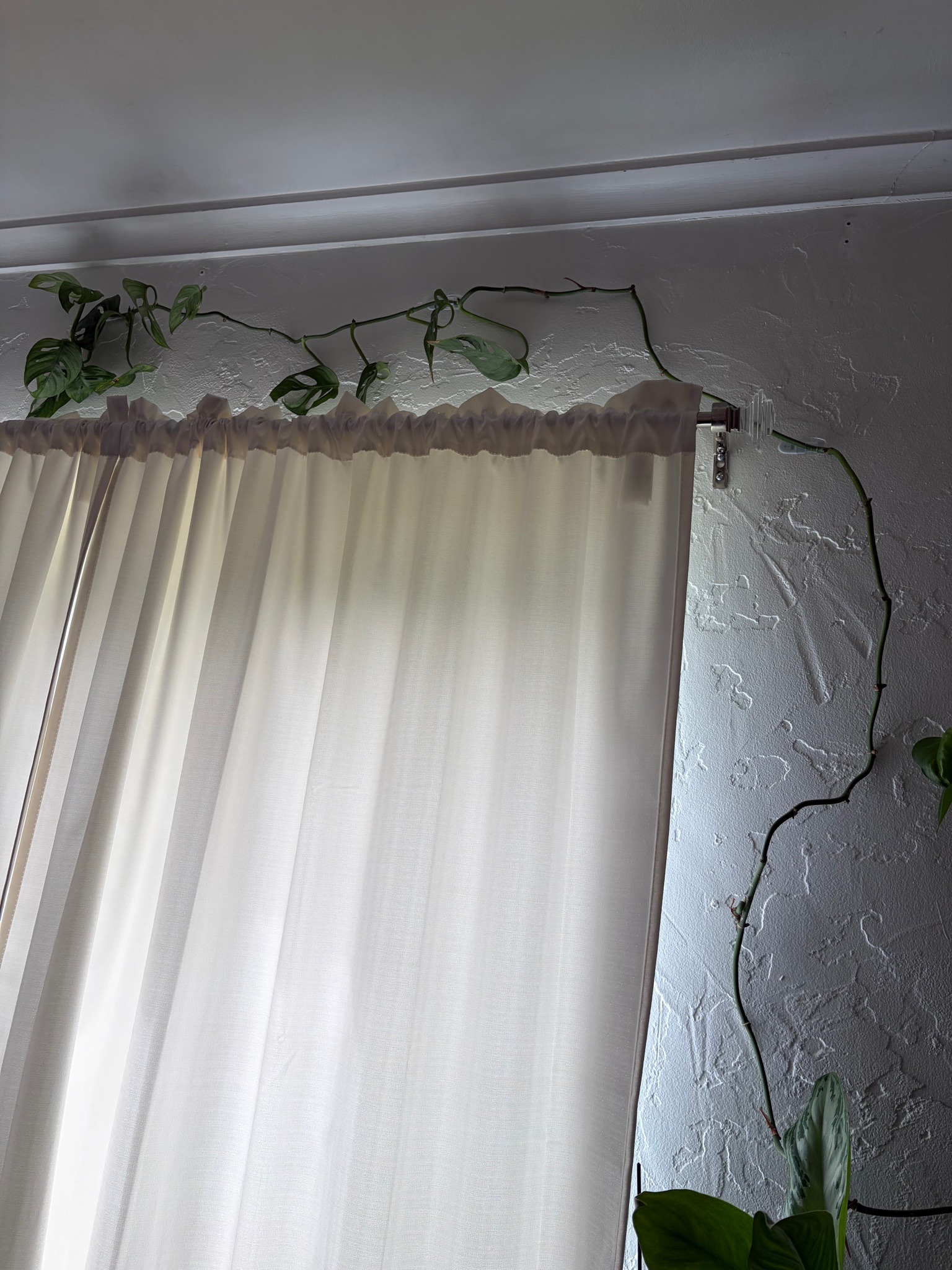
Swiss Cheese Plant
Monstera adansonii
A popular tropical climbing epiphyte featuring distinctive oval leaves with natural perforations known as fenestrations.
- Light
- Bright, indirect light for 6 to 8 hours daily; avoid harsh direct sun which can scorch the leaves.
- Water
- Water thoroughly when the top 1 to 2 inches of soil feel dry to the touch. Reduce frequency during the cooler months.
- Growth
- Trailing or climbing perennial epiphyte with vines that can extend several feet in length, featuring a moderate growth rate.
Care instructions
Provide bright, indirect sunlight, allow the top few inches of soil to dry out between waterings, and use a well-draining potting mix rich in organic matter. Feed monthly during the growing season with a balanced liquid fertilizer.
Growing details
Sunlight
Bright, indirect light for 6 to 8 hours daily; avoid harsh direct sun which can scorch the leaves.
Watering
Water thoroughly when the top 1 to 2 inches of soil feel dry to the touch. Reduce frequency during the cooler months.
Soil
Well-draining, chunky potting mix containing a blend of peat, perlite, and orchid bark, with an optimal pH range between 5.5 and 6.5.
Hardiness zone
USDA hardiness zones 10 through 12; grown primarily as an indoor houseplant in cooler regions.
Growth habit
Trailing or climbing perennial epiphyte with vines that can extend several feet in length, featuring a moderate growth rate.
Bloom season
Rarely blooms indoors; produces a specialized inflorescence consisting of a spadix and spathe when mature in tropical conditions.
Propagation
Easily propagated through stem cuttings taken just below a node, rooted in either water or moist sphagnum moss.
Common pests & issues
Susceptible to common sap-sucking pests such as mealybugs, spider mites, and scale insects. Overwatering can lead to root rot.
Similar species
Monstera deliciosa, which features much larger leaves with both splits and holes, whereas Monstera adansonii has smaller, intact leaf margins with enclosed holes.