
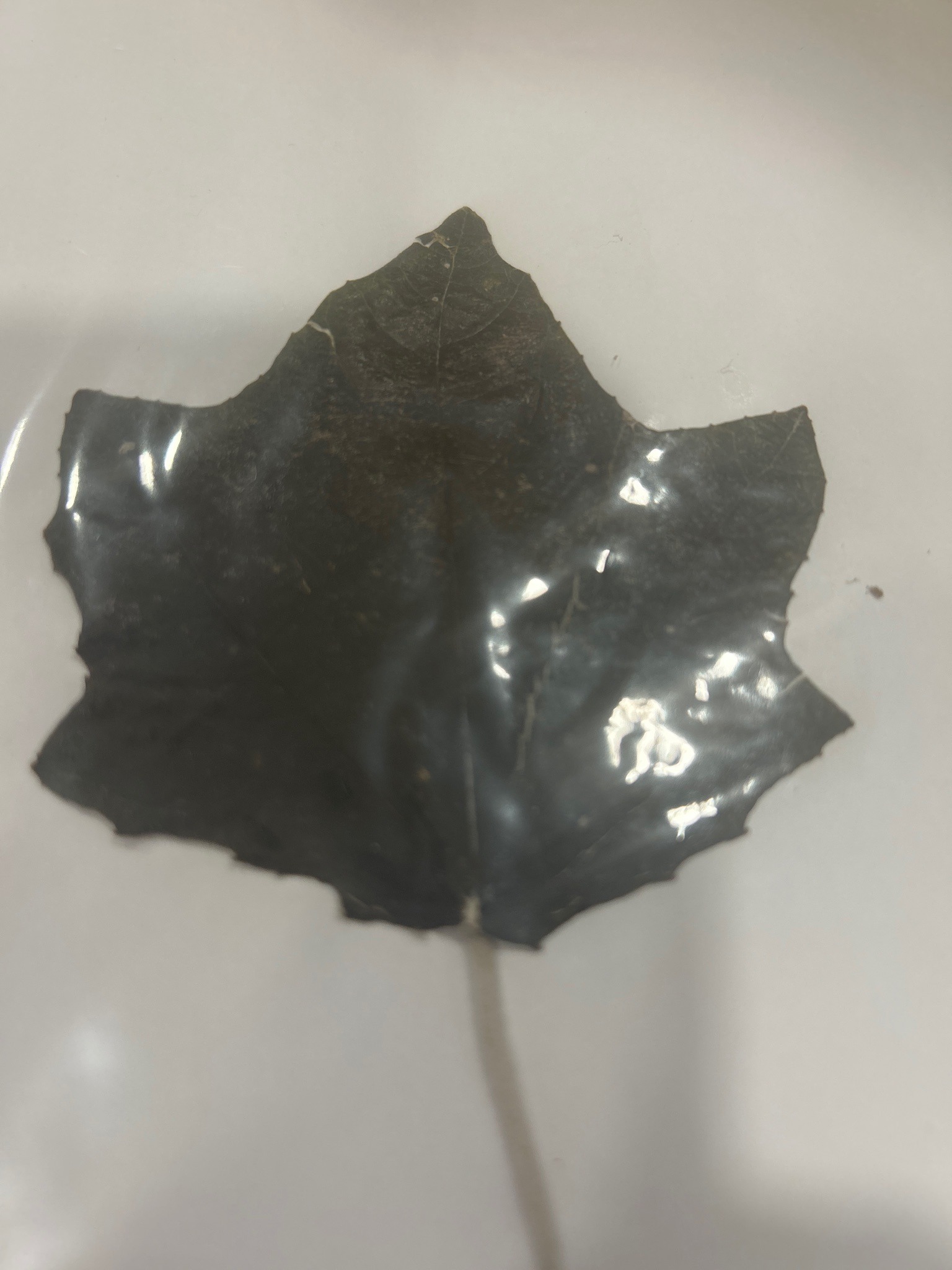
Sycamore Maple
Acer pseudoplatanus
A large deciduous tree featuring distinctive palmate leaves with five lobes, coarsely serrated margins, and a long slender petiole.
- Light
- Full sun to partial shade, approximately 6 or more hours of direct sunlight daily
- Water
- Requires moderate watering, allowing the soil to dry out slightly between waterings; highly tolerant of dry conditions once established
- Growth
- Large deciduous perennial tree with a rounded crown, reaching mature heights of 20 to 35 meters with a moderate to fast growth rate
Care instructions
Provide full sun to partial shade in well-draining, moderately fertile soil. Water regularly during establishment and mulch to retain moisture.
Growing details
Sunlight
Full sun to partial shade, approximately 6 or more hours of direct sunlight daily
Watering
Requires moderate watering, allowing the soil to dry out slightly between waterings; highly tolerant of dry conditions once established
Soil
Adaptable to a wide range of well-draining soils including loam, clay, and sand, with a neutral to slightly alkaline pH
Hardiness zone
USDA Hardiness Zones 4 through 8
Growth habit
Large deciduous perennial tree with a rounded crown, reaching mature heights of 20 to 35 meters with a moderate to fast growth rate
Bloom season
Spring; produces pendulous racemes of small, yellowish-green flowers, non-fragrant
Propagation
Propagated primarily through fresh seeds sown in autumn or via grafting and budding selected cultivars in late winter
Common pests & issues
Susceptible to powdery mildew, leaf spot, tar spot fungus, and aphids, which can be managed with proper sanitation and appropriate horticultural treatments
Similar species
Norway Maple (Acer platanoides), which can be distinguished by milky sap in the leaf petioles and sharper leaf lobes