
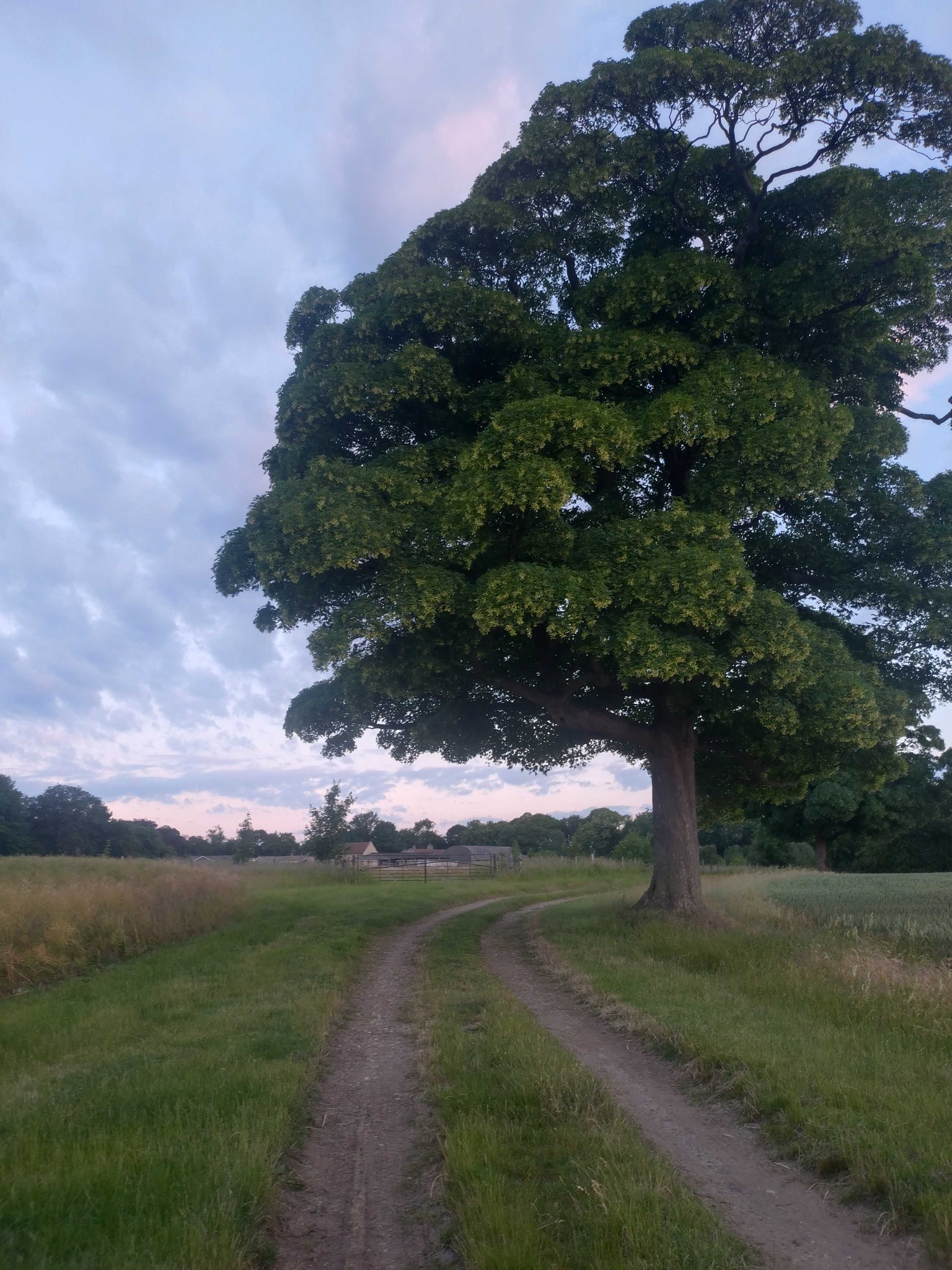
Sycamore Maple
Acer pseudoplatanus
A large, fast-growing deciduous tree with a broad, rounded crown, deeply fissured dark grey bark, and large, dark green lobed leaves that resemble those of the plane tree.
- Light
- Full sun to partial shade, requiring at least 6 hours of direct sunlight daily.
- Water
- Moderate water needs when young, requiring deep watering every 7 to 10 days during dry spells. Highly drought-tolerant once fully established. Avoid waterlogged soils.
- Growth
- Large deciduous tree with a rounded, dense canopy, typically reaching mature heights of 20 to 35 meters with a broad spread.
Care instructions
Plant in a location with full sun to partial shade. Water regularly when young to establish a deep root system, becoming highly drought-tolerant once mature. Prefers well-draining soils and benefits from a balanced fertilizer applied in early spring.
Growing details
Sunlight
Full sun to partial shade, requiring at least 6 hours of direct sunlight daily.
Watering
Moderate water needs when young, requiring deep watering every 7 to 10 days during dry spells. Highly drought-tolerant once fully established. Avoid waterlogged soils.
Soil
Thrives in deep, fertile, moist, but well-draining soils with a neutral to slightly alkaline pH, though it tolerates a wide range of soil types including clay and sand.
Hardiness zone
USDA Hardiness Zones 4 through 8, showing strong tolerance to cold winters and urban pollution.
Growth habit
Large deciduous tree with a rounded, dense canopy, typically reaching mature heights of 20 to 35 meters with a broad spread.
Bloom season
Flowers in mid-spring with small, yellow-green pendent racemes appearing alongside or just after the leaves.
Propagation
Propagated primarily from fresh seeds sown in autumn or stratified for spring sowing, as well as by softwood or hardwood cuttings.
Common pests & issues
Susceptible to tar spot fungus, aphids, and powdery mildew, which can cause aesthetic leaf damage but rarely threaten the life of a mature tree.
Similar species
Often confused with the Norway Maple (Acer platanoides) and the American Sycamore (Platanus occidentalis). The Sycamore Maple can be distinguished by its milky sap absent in petioles, lobed leaves with blunt teeth, and paired winged seeds forming a wide angle.