
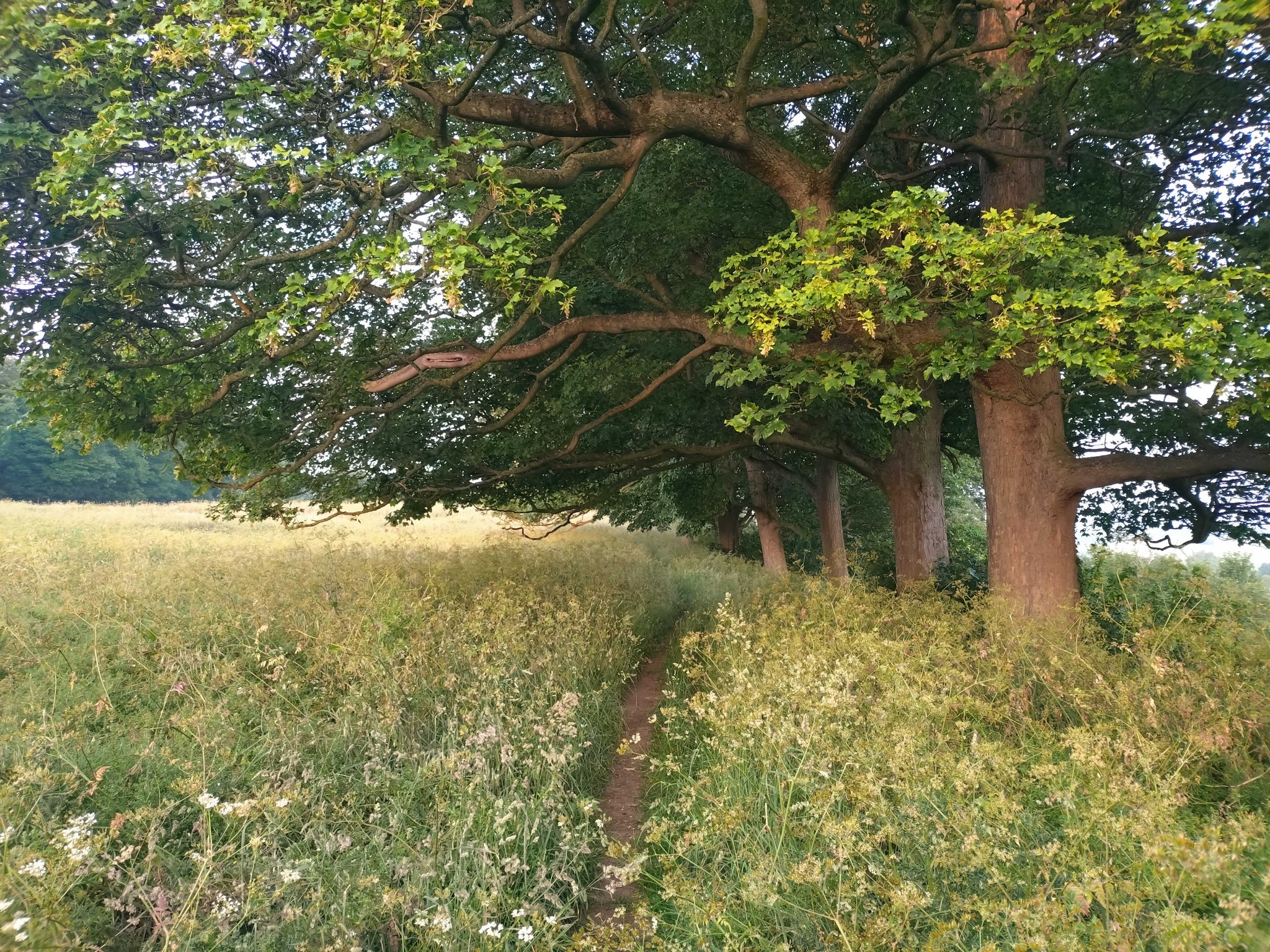
Sycamore Maple
Acer pseudoplatanus
A large deciduous tree featuring a broad, rounded crown, dark grey bark that flakes in rectangular plates, and opposite, palmately lobed leaves with coarse teeth.
- Light
- Full sun to partial shade, requiring at least 6 hours of direct sunlight daily
- Water
- Moderate watering needs. Water deeply during dry spells, allowing the top layer of soil to dry between waterings.
- Growth
- Large deciduous perennial tree reaching mature heights of 20 to 35 meters with a broad spreading canopy and a fast to moderate growth rate.
Care instructions
Plant in full sun to partial shade in moist, well-draining soil. Water regularly when young to establish a deep root system, becoming more drought-tolerant with maturity.
Growing details
Sunlight
Full sun to partial shade, requiring at least 6 hours of direct sunlight daily
Watering
Moderate watering needs. Water deeply during dry spells, allowing the top layer of soil to dry between waterings.
Soil
Adaptable to a wide range of soil types including clay, loam, and sand, provided they have good drainage; prefers a neutral to slightly alkaline pH.
Hardiness zone
USDA zones 4 to 8
Growth habit
Large deciduous perennial tree reaching mature heights of 20 to 35 meters with a broad spreading canopy and a fast to moderate growth rate.
Bloom season
Spring, producing pendulous racemes of small, yellowish-green flowers.
Propagation
Propagated primarily from seeds sown in autumn or stratified for spring planting, as well as by softwood cuttings in early summer.
Common pests & issues
Susceptible to aphids, tar spot fungus, and powdery mildew, which can be managed with proper sanitation, good air circulation, and targeted horticultural treatments.
Similar species
Norway Maple (Acer platanoides), which can be distinguished by its milky sap exuded from the leaf petiole when broken, a feature absent in the sycamore maple.