
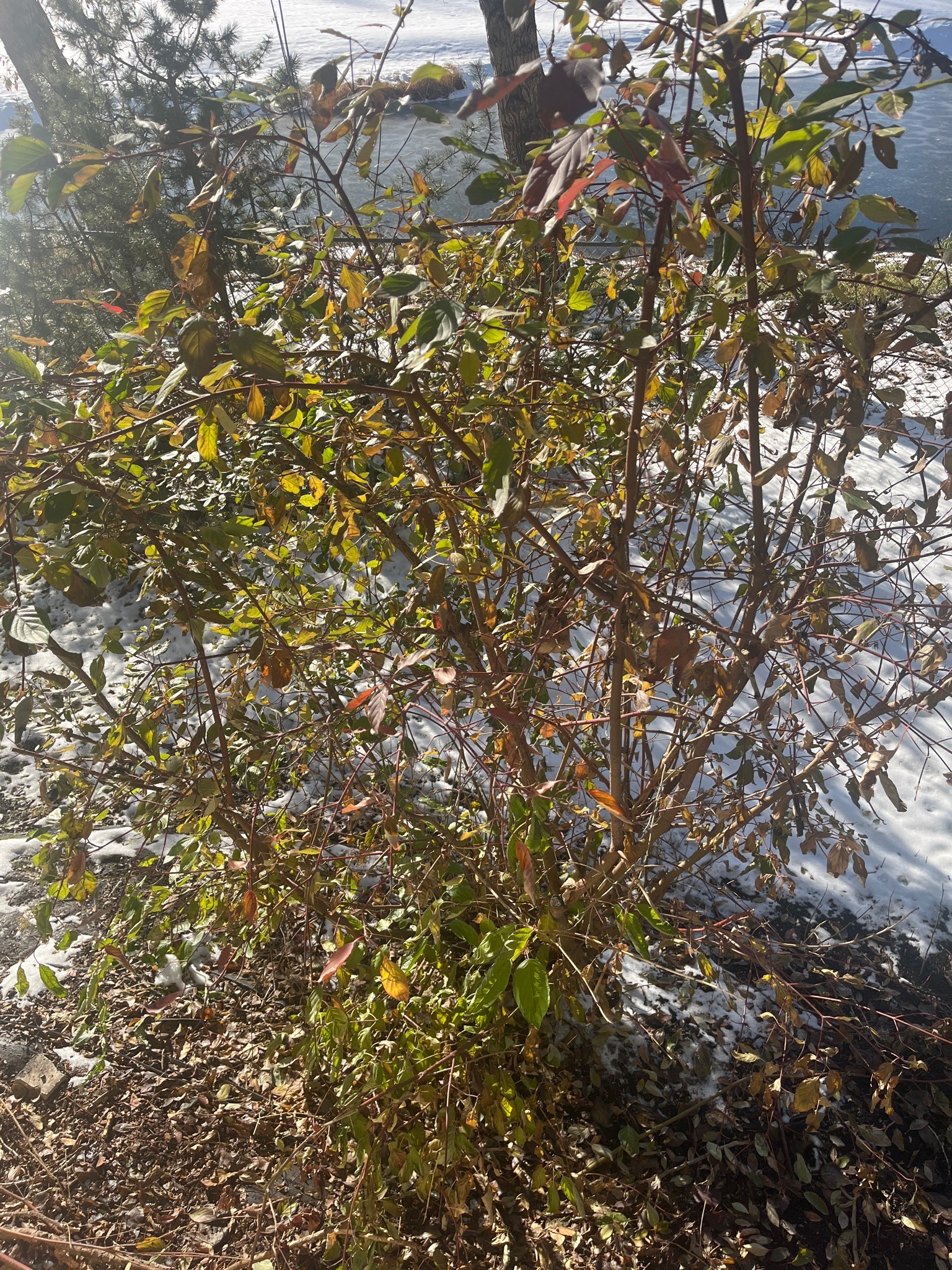
Tatarian Honeysuckle
Lonicera tatarica
A large, upright, multi-stemmed deciduous shrub featuring opposite, simple leaves, slender branching, and thin grayish-brown bark that often peels in strips.
- Light
- Full sun to partial shade, requiring at least 6 hours of direct sunlight daily for best growth
- Water
- Moderate water needs; drought tolerant once fully established, requiring watering during prolonged dry spells
- Growth
- Perennial deciduous shrub with an upright, dense, and rounded growth form, reaching a mature height and spread of 10 to 12 feet with a fast growth rate
Care instructions
Provide full sun to partial shade for optimal growth and flowering. Water deeply during establishment, and maintain consistently moderate soil moisture. Adaptable to a wide range of soils provided they drain reasonably well.
Growing details
Sunlight
Full sun to partial shade, requiring at least 6 hours of direct sunlight daily for best growth
Watering
Moderate water needs; drought tolerant once fully established, requiring watering during prolonged dry spells
Soil
Adaptable to most well-draining soil types including clay, loam, and sandy soils, with a preferred pH range of 6.0 to 7.5
Hardiness zone
USDA Hardiness Zones 3 through 8, demonstrating high cold tolerance
Growth habit
Perennial deciduous shrub with an upright, dense, and rounded growth form, reaching a mature height and spread of 10 to 12 feet with a fast growth rate
Bloom season
Spring to early summer, producing paired, tubular flowers in shades of pink, white, or red
Propagation
Propagated easily through semi-hardwood cuttings taken in summer or by dormant hardwood cuttings in late winter, as well as by seed
Common pests & issues
Generally resilient, but may occasionally experience issues with aphids, powdery mildew, and leaf rollers, managed through proper air circulation and standard horticultural practices
Similar species
Other bush honeysuckles such as Morrow's honeysuckle (Lonicera morrowii) and Amur honeysuckle (Lonicera maackii), distinguished primarily by leaf hairiness, floral dimensions, and branching angles