
Trumpet Creeper
Campsis radicans
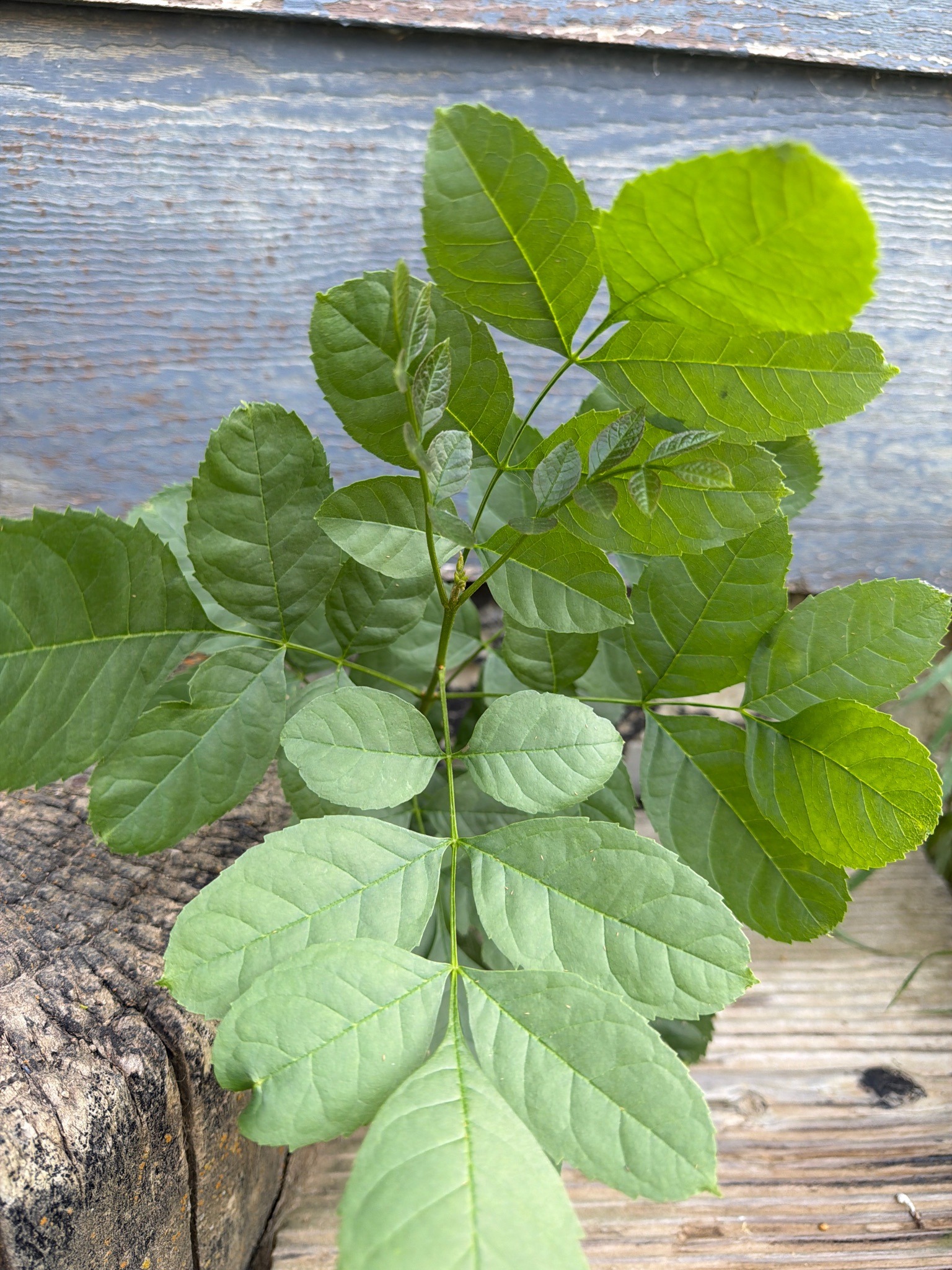
A vigorous, deciduous woody vine featuring dark green pinnately compound leaves with coarsely serrated leaflets.
- Light
- Full sun, requiring at least 6 hours of direct sunlight per day for optimal growth and flowering
- Water
- Moderate watering when young; mature plants exhibit good drought tolerance. Water deeply during dry spells, avoiding waterlogged soil.
- Growth
- Perennial deciduous woody vine with a rapid growth rate, capable of climbing up to 30 to 40 feet using aerial rootlets
Care instructions
Provide full sun to partial shade, well-draining soil, and regular watering during establishment. Prune in late winter or early spring to control size and encourage robust flowering.
Growing details
Sunlight
Full sun, requiring at least 6 hours of direct sunlight per day for optimal growth and flowering
Watering
Moderate watering when young; mature plants exhibit good drought tolerance. Water deeply during dry spells, avoiding waterlogged soil.
Soil
Adaptable to various soil types including clay, loam, or sandy soils, provided they are well-draining with a neutral to slightly acidic pH range of 6.0 to 7.5
Hardiness zone
USDA Hardiness Zones 4 through 9
Growth habit
Perennial deciduous woody vine with a rapid growth rate, capable of climbing up to 30 to 40 feet using aerial rootlets
Bloom season
Blooms from mid-summer through early fall, producing clusters of tubular, trumpet-shaped flowers in shades of orange and red
Propagation
Propagated easily through hardwood or softwood cuttings, root cuttings, or by sowing seeds in spring
Common pests & issues
Generally resistant to serious pests and diseases, though occasionally affected by powdery mildew or aphids if air circulation is poor
Similar species
Crossvine (Bignonia capreolata), which can be distinguished by its semi-evergreen leaves and two-leaflet compound structure compared to the larger pinnate leaves of the trumpet creeper