
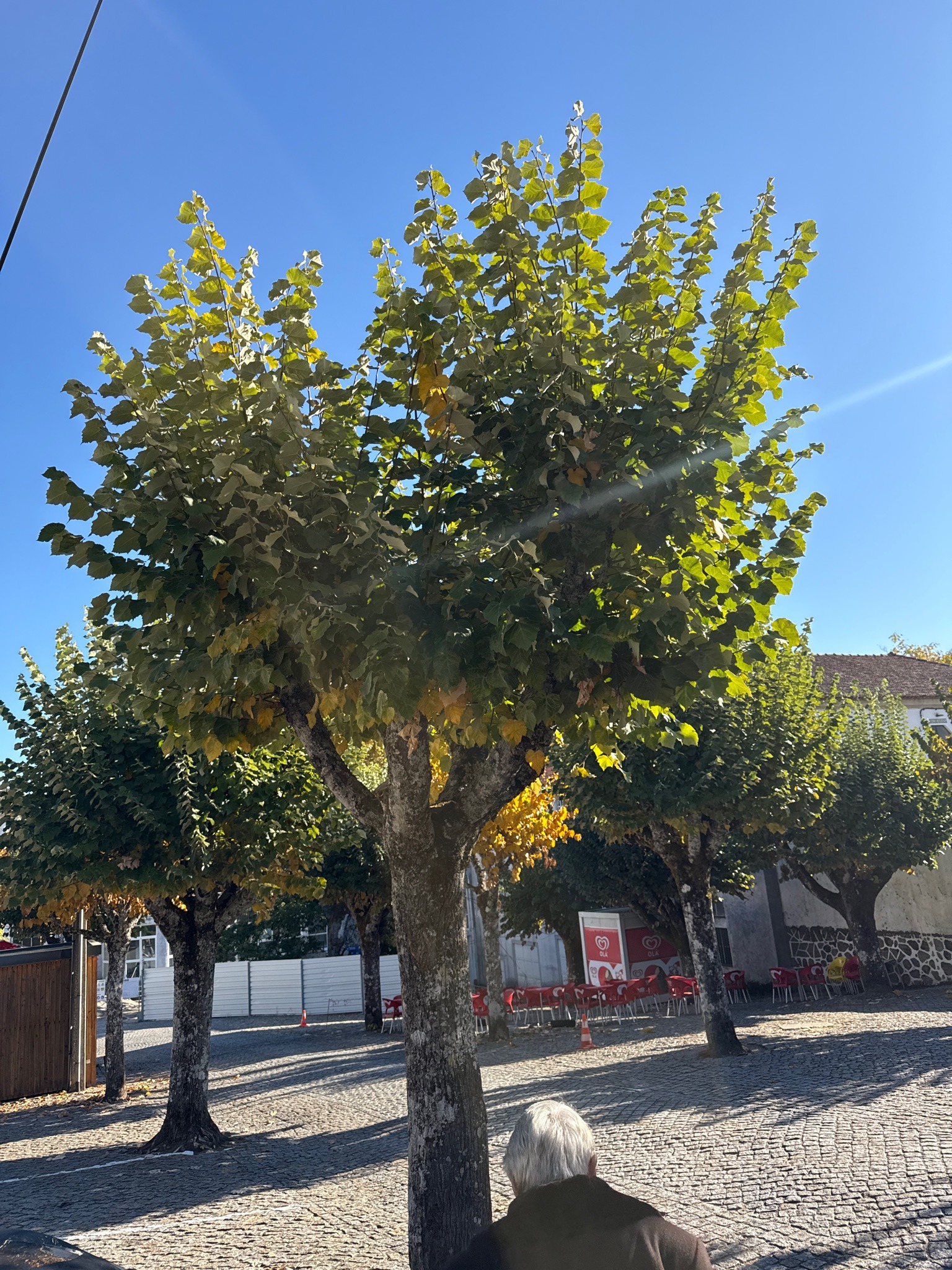
White Mulberry
Morus alba
A deciduous tree featuring a dense, rounded crown, heavily pruned in the image into a pollarded form with prominent lateral branches, and broad lobed leaves.
- Light
- Full sun, requiring at least 6 to 8 hours of direct sunlight daily
- Water
- Moderate watering needs. Drought-tolerant once established, but prefers consistently moist soil. Avoid waterlogged conditions to prevent root issues.
- Growth
- Perennial deciduous tree, fast-growing with a rounded canopy, capable of reaching heights of 30 to 50 feet if unpruned, but frequently maintained smaller via pollarding.
Care instructions
Provide full sun exposure and well-draining soil. Water deeply during establishment, and maintain a regular feeding schedule with a balanced fertilizer in spring.
Growing details
Sunlight
Full sun, requiring at least 6 to 8 hours of direct sunlight daily
Watering
Moderate watering needs. Drought-tolerant once established, but prefers consistently moist soil. Avoid waterlogged conditions to prevent root issues.
Soil
Adaptable to a wide range of soil types including clay, loam, and sand, provided they are well-draining. Prefers a pH range of 6.0 to 7.0.
Hardiness zone
USDA zones 4 through 9
Growth habit
Perennial deciduous tree, fast-growing with a rounded canopy, capable of reaching heights of 30 to 50 feet if unpruned, but frequently maintained smaller via pollarding.
Bloom season
Spring, producing inconspicuous greenish catkins followed by compound aggregate fruits
Propagation
Propagated easily through hardwood or softwood cuttings, grafting, or from seed
Common pests & issues
Susceptible to occasional issues with scale insects, whiteflies, leaf spot, and powdery mildew. Pruning during the dormant season helps maintain tree health and airflow.
Similar species
Red Mulberry (Morus rubra), which has rougher, larger leaves, and Paper Mulberry (Broussonetia papyrifera), which features woolly, velvety shoots and leaves.