
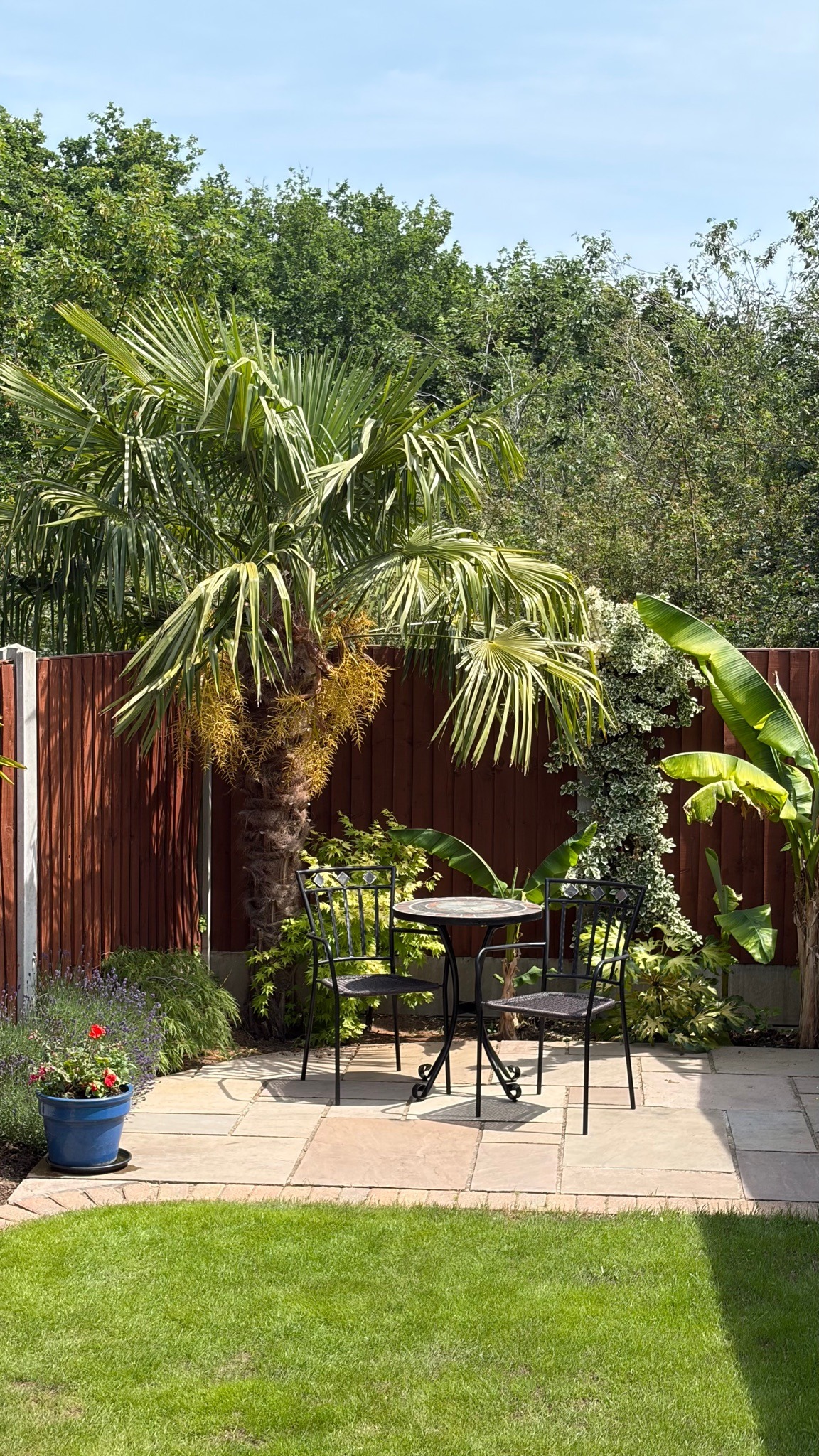
Windmill Palm
Trachycarpus fortunei
An evergreen, single-stemmed palm tree characterized by a stiff, fibrous trunk covered in persistent dark brown leaf sheaths and a dense crown of fan-shaped, dark green leaves.
- Light
- Full sun to partial shade, ideally 6 or more hours of direct sunlight daily, though it adapts well to afternoon shade in hotter climates.
- Water
- Moderate watering needs. Water deeply when the top few inches of soil feel dry. Once established, it tolerates brief dry spells, but performs best with consistent moisture.
- Growth
- Slow to moderate growing single-trunked perennial tree, reaching mature heights of 20 to 40 feet with a spread of 6 to 10 feet.
Care instructions
Provide full sun to partial shade with well-draining soil. Water regularly during the growing season to establish deep roots, keeping the soil moderately moist but not waterlogged. Feed with a balanced slow-release palm fertilizer in spring.
Growing details
Sunlight
Full sun to partial shade, ideally 6 or more hours of direct sunlight daily, though it adapts well to afternoon shade in hotter climates.
Watering
Moderate watering needs. Water deeply when the top few inches of soil feel dry. Once established, it tolerates brief dry spells, but performs best with consistent moisture.
Soil
Prefers rich, loamy, or sandy soils with excellent drainage and a neutral to slightly acidic pH range of 6.0 to 7.0.
Hardiness zone
USDA zones 8 through 11, with notable cold hardiness compared to many other palm species, tolerating occasional brief freezes.
Growth habit
Slow to moderate growing single-trunked perennial tree, reaching mature heights of 20 to 40 feet with a spread of 6 to 10 feet.
Bloom season
Spring to early summer, producing large clusters of small, yellow flowers emerging from among the leaves.
Propagation
Propagated primarily from fresh seeds sown in warm, moist propagating mix, germination can be slow and irregular.
Common pests & issues
Generally resilient, but may experience root rot in poorly draining soils. Spider mites and scale insects can occasionally affect indoor or container-grown specimens.
Similar species
Chamaerops humilis (European Fan Palm), which typically forms multiple stems and features spiny leaf stalks, whereas Trachycarpus fortunei has a single trunk and unarmed leaf stems.