Anemone Identification Guide
How to identify anemones (windflowers) by their petal-like sepals, a ruff of divided leaves below the flower, and fluffy or button-like seed heads.
Read the full Anemone encyclopedia entry →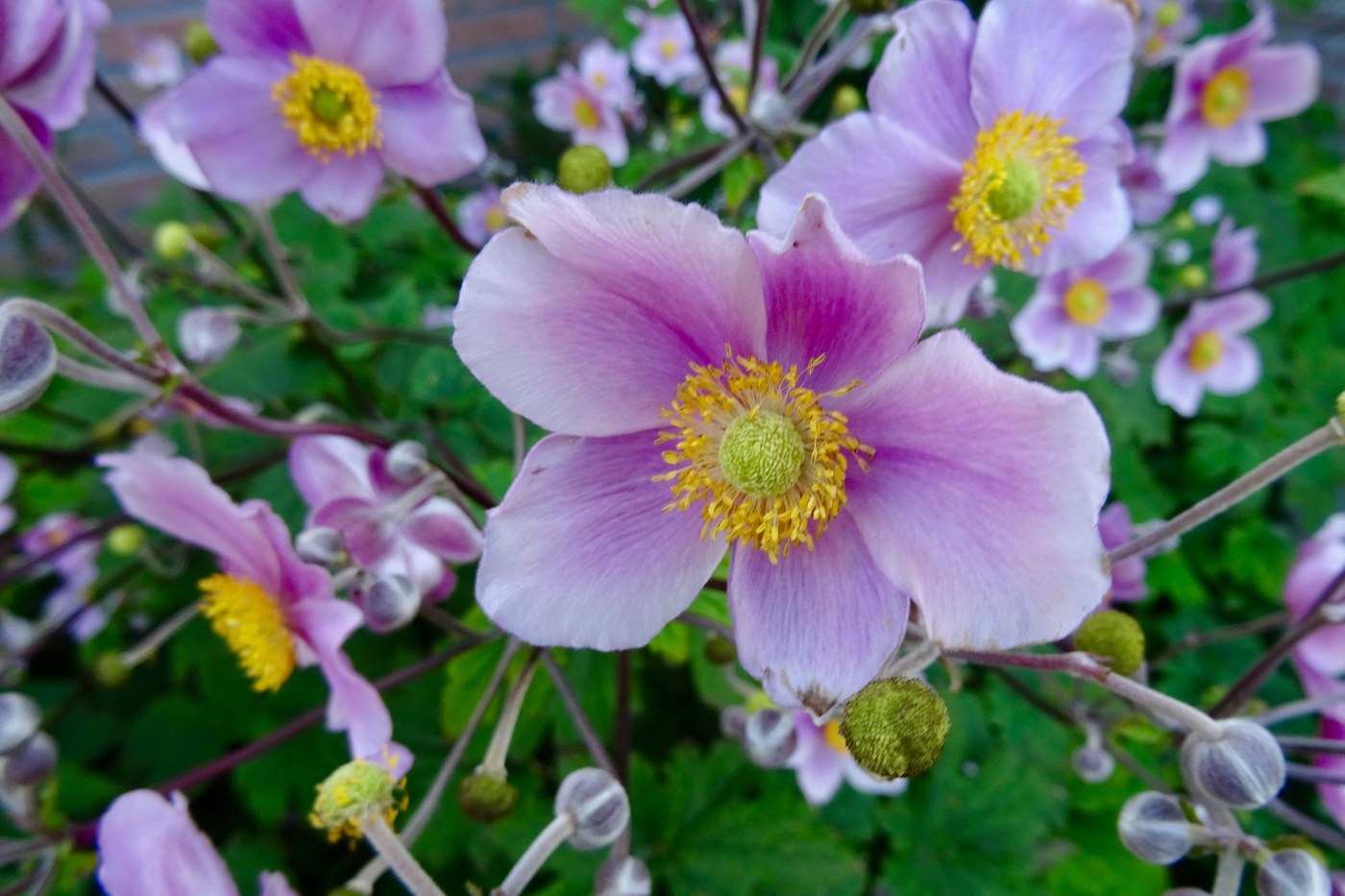
Key Identifying Features
Anemone (windflower) is a genus in the buttercup family (Ranunculaceae) ranging from low spring woodlanders to tall autumn border plants. A defining quirk: the showy "petals" are actually sepals (tepals) — there are no true petals. Below the flower sits a distinctive whorl (involucre) of divided leaf-like bracts, and the center holds a cluster of many stamens around a knob of green carpels.
- Showy tepals (5 to many), no separate sepals and petals
- A ruff of leafy bracts set below the flower on the stem
- Many stamens around a domed center
- Leaves divided or deeply lobed, on long stalks from the base
Leaves & Stems
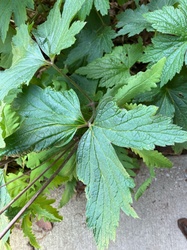
Basal leaves are typically palmately divided or compound, with toothed lobes, on slender stalks. The flowering stem rises bare until it reaches the involucral bracts, a collar of smaller divided leaves a little below the bloom — a key feature separating anemones from many look-alikes. Spring species like wood anemone are low and creep by rhizomes; Japanese anemones are tall and branching.
Flowers & Fruit
Flowers are usually cup- to saucer-shaped, single or in loose sprays, in white, pink, blue, purple, or red depending on species. Spring woodland anemones (A. nemorosa, A. blanda) are low and daisy-like; Japanese/autumn anemones (A. hupehensis, A. × hybrida) are 60–120 cm with rounded pink or white blooms. Fruit is a key clue: a head of dry single-seeded achenes, often woolly or cottony (giving "windflower" — seeds drift on wind), or a tight green button.
How to Tell It Apart from Look-Alikes
- Buttercups (Ranunculus): glossy yellow true petals with green sepals; anemones lack the distinct petal/sepal split and the glossy petals.
- Pasqueflower (Pulsatilla): very anemone-like but very hairy, with feathery plumed seed heads and a finely dissected involucre; sometimes still classed near Anemone.
- Hellebores: also Ranunculaceae with tepals, but flowers are nodding, leathery-leaved, and bloom in late winter.
- Cosmos / daisies: appear similar from afar but are composite flower heads (many tiny florets), not a single anemone bloom with a stamen boss.
Where You'll Find It
Spring anemones carpet deciduous woodland floors and shady banks. Japanese anemones are grown in borders and partly shaded gardens, blooming late summer into autumn. Mediterranean poppy anemones (A. coronaria) are common cut flowers. Most prefer moist, humus-rich soil.
Quick ID Checklist
- Showy tepals, no true petals/sepals split
- Ruff of divided bracts below the flower
- Central boss of many stamens
- Divided/lobed basal leaves
- Seed head fluffy/cottony or a tight green button
Frequently asked questions
Why are anemones called windflowers?
Partly because many species produce fluffy, cottony seed heads whose single-seeded fruits drift away on the wind, and partly from old folklore that the flowers open in the wind.
How do I distinguish a spring anemone from a buttercup?
Buttercups have glossy yellow true petals with separate green sepals. Anemones have petal-like tepals (no true petals), a collar of divided bracts on the stem below the flower, and are often white, blue, or pink.
My anemone is tall and blooms in autumn — is that right?
Yes. Japanese or autumn anemones (Anemone hupehensis and hybrids) grow 60 to 120 cm tall and flower from late summer into fall, unlike the low spring woodland types.
What is the leafy collar just below the flower?
That is the involucre, a whorl of divided bracts characteristic of anemones. Spotting it helps confirm the genus and separate anemones from similar cup-shaped flowers.
Anemone identified by the community
Recent Anemone specimens identified with Plant Identifier.