Anemone
Anemone hupehensis
Anemones, also called windflowers, are graceful perennials and bulbs that produce delicate, cup- or daisy-shaped flowers in spring or fall. Japanese anemones in particular bring valuable late-season color to shady borders.
- Light
- Full sun to part shade
- Water
- Regular; keep evenly moist
- Difficulty
- Easy
Got a plant like this?
Identify any plant from a photo, free.
Overview
Anemone is a diverse genus of around 120 species in the buttercup family, ranging from spring-blooming bulbs and woodland natives to tall, fall-flowering Japanese anemones (Anemone hupehensis and hybrids).
The name derives from the Greek for "wind," giving rise to the common name windflower; the slender stems sway readily in a breeze.
They are valued for filling seasonal gaps, with some flowering in early spring and others lighting up the autumn garden when little else is in bloom.
How to identify it
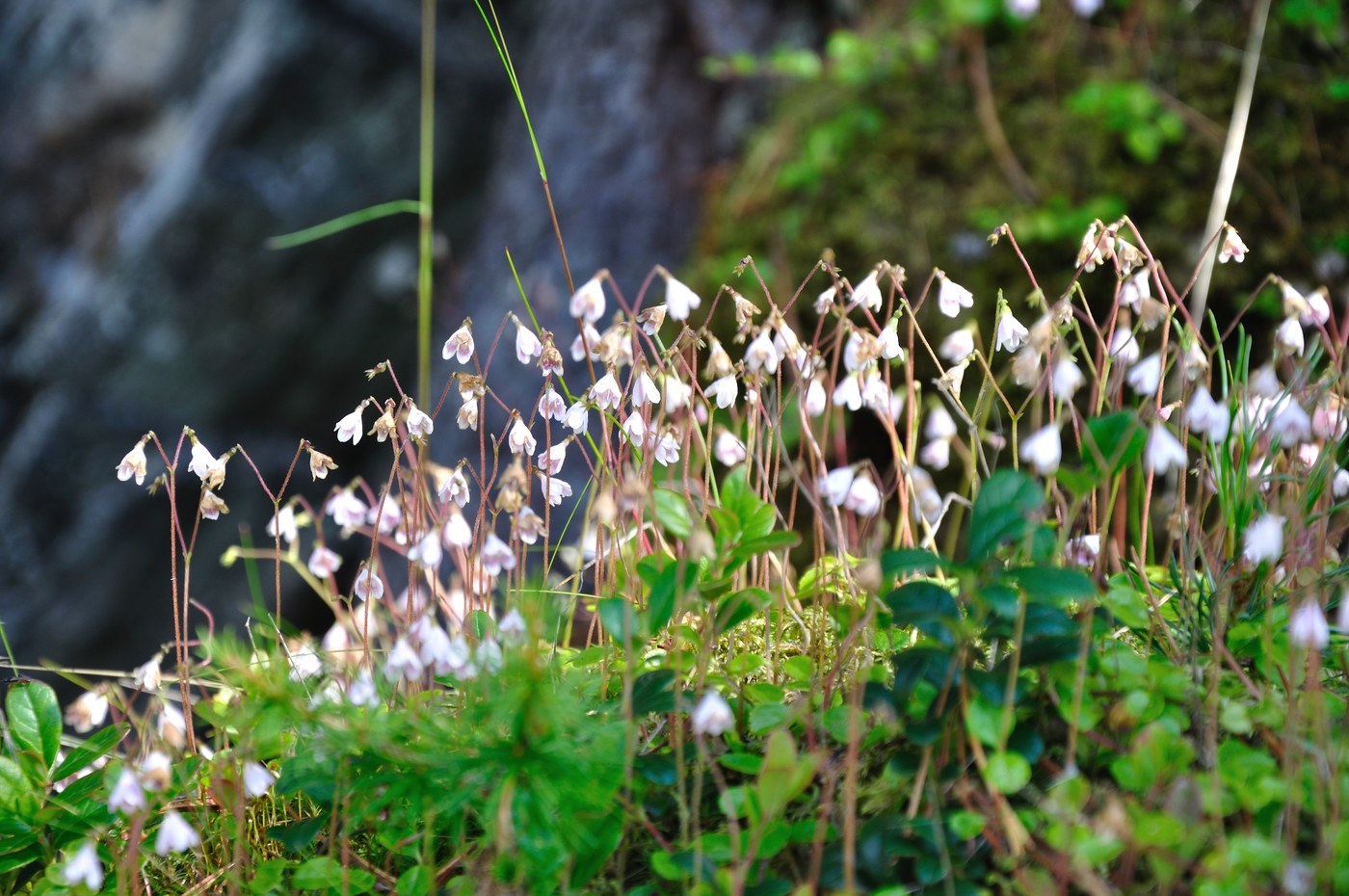
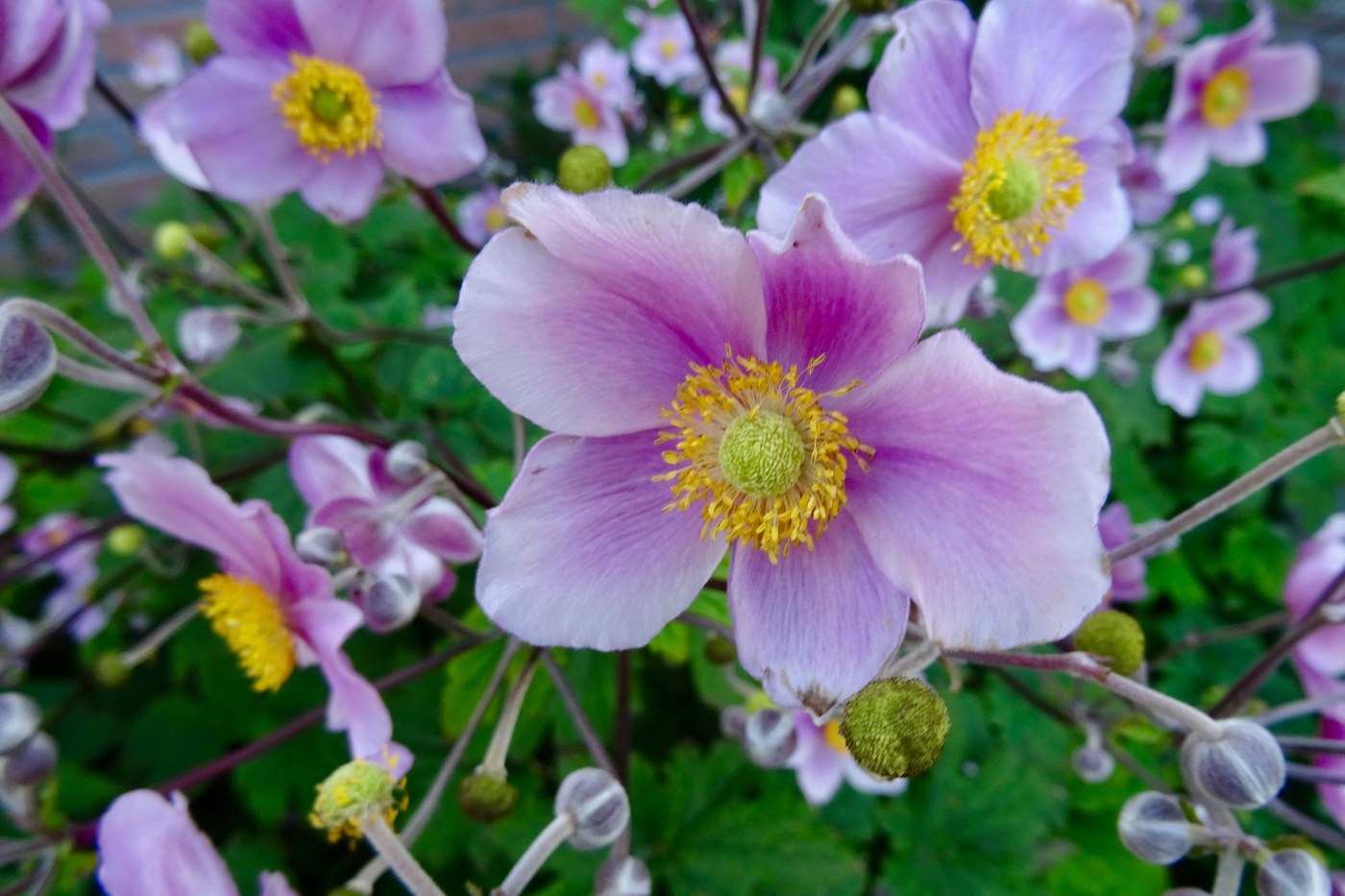
Look for open, cup- or daisy-like flowers on slender stems.
- Flowers: Saucer- or cup-shaped with 5 or more petal-like sepals, often with a boss of yellow stamens; white, pink, purple, blue, or red
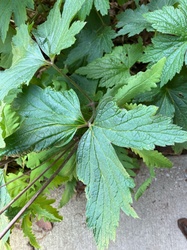
- Leaves: Lobed or divided, often dark green and somewhat coarse; basal foliage in Japanese types
- Habit: Ranges from low spring bulbs to airy 2-4 ft fall perennials
- Seed heads: Fluffy, cottony seed clusters follow the flowers in many species
Care & growing
Care varies by type; tuberous and herbaceous forms differ slightly.
- Light: Full sun to partial shade; Japanese anemones appreciate afternoon shade in hot climates
- Water: Regular, even moisture; they dislike drying out
- Soil: Rich, well-drained, humus-rich soil
- Temperature: Hardiness varies; Japanese anemones are hardy to about zone 4-5
- Feeding: A spring mulch of compost is usually enough
- Propagation: Division or root cuttings for herbaceous types; plant tubers in autumn for spring bulb types
- Tip: Japanese anemones spread by runners and can colonize over time
Habitat & origin
Anemones are native to temperate and subarctic regions across the Northern Hemisphere. Japanese anemones originate from China (despite the name) and are naturalized in Japan; spring windflowers come from Europe, the Mediterranean, and Asia.
They are widely grown in woodland gardens, mixed borders, and shaded beds around the world.
Frequently asked questions
When do anemones bloom?
It depends on the type. Spring bulb anemones flower in early spring, while Japanese anemones bloom from late summer into fall.
Are Japanese anemones invasive?
They spread by underground runners and can form large colonies over time. Plant where they have room or be prepared to divide and contain them.
Do anemones need sun or shade?
Most do well in full sun to partial shade. In hot climates, afternoon shade keeps Japanese anemones from scorching.
Anemone guides
In-depth guides for identifying, growing, and caring for Anemone.
Anemone identified by the community
Real specimens identified with Plant Identifier.