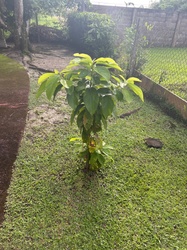
How to Care for Avocado Tree
Grow a lush Avocado Tree with full sun, deep watering with slight drying between, warm frost-free conditions and free-draining soil.
Read the full Avocado Tree encyclopedia entry →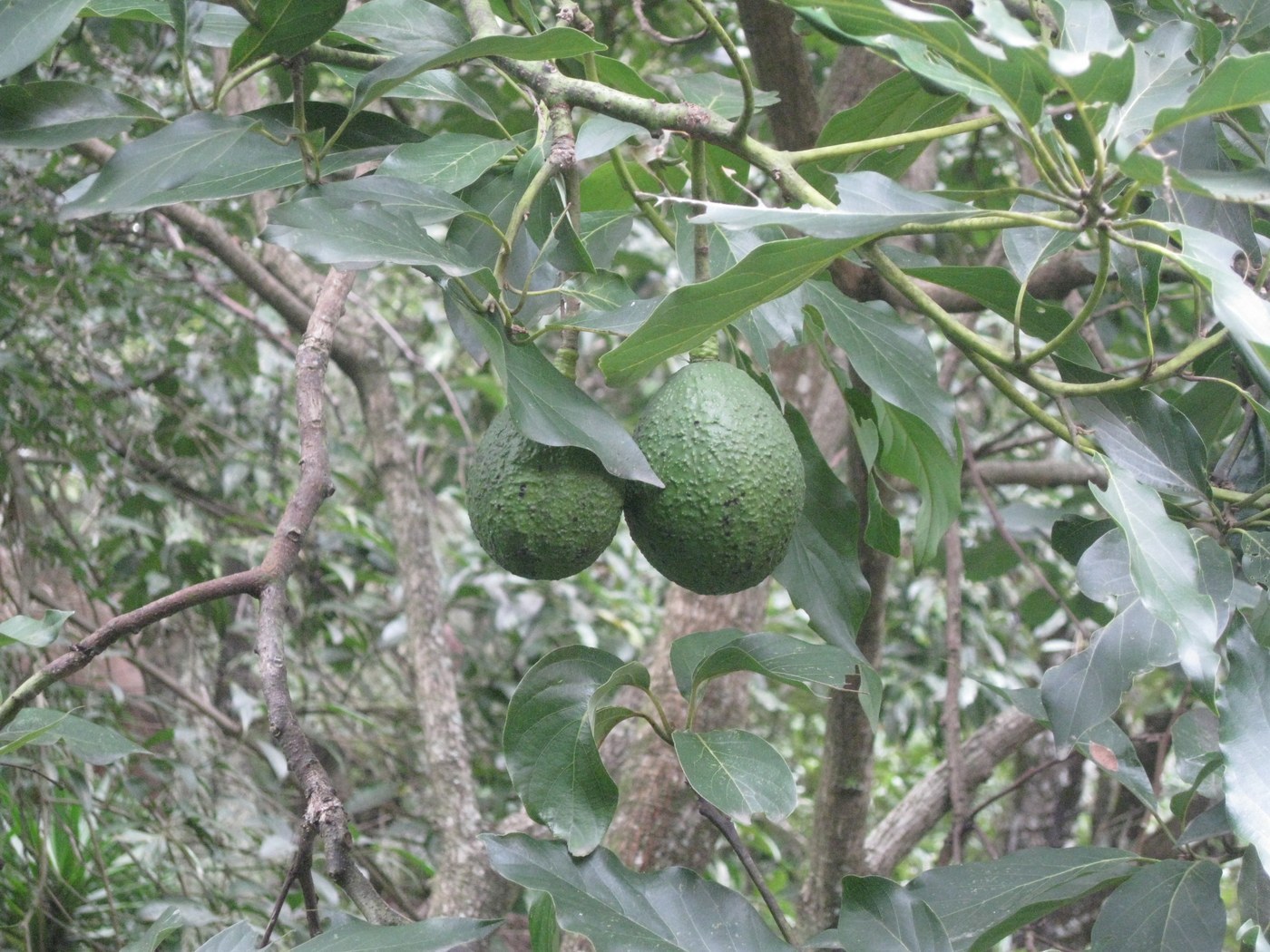
The Avocado Tree is a handsome, broad-leaved evergreen grown as an ornamental shade tree outdoors in warm climates and as a glossy foliage plant in containers elsewhere. It is a moderate-difficulty tree that wants warmth, sun and sharply drained soil.
Light
Avocado wants full sun — at least six or more hours of direct light for strong, dense growth. Outdoors, plant it in the brightest, most open spot available. Indoors or in a container, give it the sunniest window possible, ideally supplemented with a grow light, since low light causes leggy, weak stems and sparse foliage. Acclimate a container plant gradually when moving it into stronger sun to avoid leaf scorch.
Water
Water deeply and regularly, then allow the soil to dry slightly before watering again. Avocado has a shallow, sensitive root system that craves oxygen, so the goal is deep soakings followed by a partial dry-down — never constant sogginess. Let the top inch or two of soil dry, then water thoroughly until it drains freely. Overwatering and poor drainage are the most common causes of decline. In containers, always empty the saucer so the roots never sit in water.
Soil & Potting
Excellent drainage is essential. Use a loose, coarse, fast-draining medium; for containers, a mix amended with perlite, pumice or bark keeps air around the roots. Outdoors, avocado needs well-drained ground and often does best planted slightly high on a mound in heavier soils. It prefers a slightly acidic to neutral pH. Avoid dense, water-holding clay that suffocates the roots.
Humidity & Temperature
Avocado is a subtropical to tropical tree that loves warmth and is highly frost-sensitive. It grows best in USDA zones 9 to 11; young trees are damaged by frost and must be protected or grown in containers that can be moved indoors before cold arrives. It tolerates moderate humidity and appreciates warm days and mild nights. Shelter it from strong, cold or drying winds.
Feeding
Feed during the active growing season, spring through summer, with a balanced fertilizer that includes micronutrients. Avocados are prone to zinc and iron deficiencies, which show as yellowing between the leaf veins; a citrus-and-avocado type fertilizer supplies these. Apply in light, frequent doses rather than one heavy application, and taper off feeding in autumn as growth slows.
Propagation
Avocado is easily started from a seed suspended over water or nestled in moist soil until it sprouts, which makes a rewarding foliage plant. Note that seed-grown trees are variable. For a true-to-type tree, propagation is done by grafting a selected variety onto a seedling rootstock, which is how named cultivars are reproduced.
Repotting / Pruning
Repot container avocados every year or two in spring as they fill their pots, moving up gradually. Pinch the growing tip of a young plant when it reaches about a foot tall to encourage branching and a bushier, less lanky form. Prune to shape and to remove crossing or weak branches in early spring. Container specimens can be kept compact with regular pruning.
Common Problems & Pests
Leaf browning at the tips and margins can indicate salt buildup or inconsistent watering — flush the soil periodically and keep moisture even. Yellowing between veins signals nutrient deficiency. Root rot from soggy soil is the most serious threat, so keep drainage sharp. Common pests include spider mites, thrips, scale and mealybugs, especially on indoor plants; inspect the foliage regularly and treat early.
Seasonal Care Tips
In spring, repot, resume feeding and prune to shape. Through summer, water deeply with dry-downs between and watch for mites in heat. In autumn, taper feeding as growth slows. In winter, reduce watering, keep the plant warm and in bright light, and protect it from any frost — move containers indoors well before cold weather. Guard young outdoor trees from cold snaps with covers.
Frequently asked questions
Why are the leaf tips on my Avocado Tree turning brown?
Brown, crispy leaf tips usually indicate salt accumulation in the soil or uneven watering. Water deeply and consistently, let the soil dry slightly between waterings, and periodically flush the pot to leach out excess salts.
How often should I water an Avocado Tree?
Water deeply, then let the top inch or two of soil dry before watering again. Avocado roots need oxygen and hate constant sogginess, so aim for thorough soakings with a partial dry-down between, and never leave the pot in standing water.
Why is my Avocado's foliage yellow between the veins?
Yellowing between green veins points to a micronutrient deficiency, commonly iron or zinc. Feed with a balanced fertilizer that includes micronutrients during the growing season, and make sure the soil drains well so roots can take up nutrients.
Can I keep an Avocado Tree in a pot?
Yes. Grow it in a fast-draining mix in a pot with drainage holes, give it the sunniest spot possible, pinch young plants to encourage branching, and move it indoors before frost. Container trees stay compact with regular pruning.
Avocado Tree identified by the community
Recent Avocado Tree specimens identified with Plant Identifier.