How to Care for Barnyardgrass
A vigorous warm-season annual grass that thrives in wet, sunny sites and tolerates flooding, grown from seed for naturalistic or restoration plantings.
Read the full Barnyardgrass encyclopedia entry →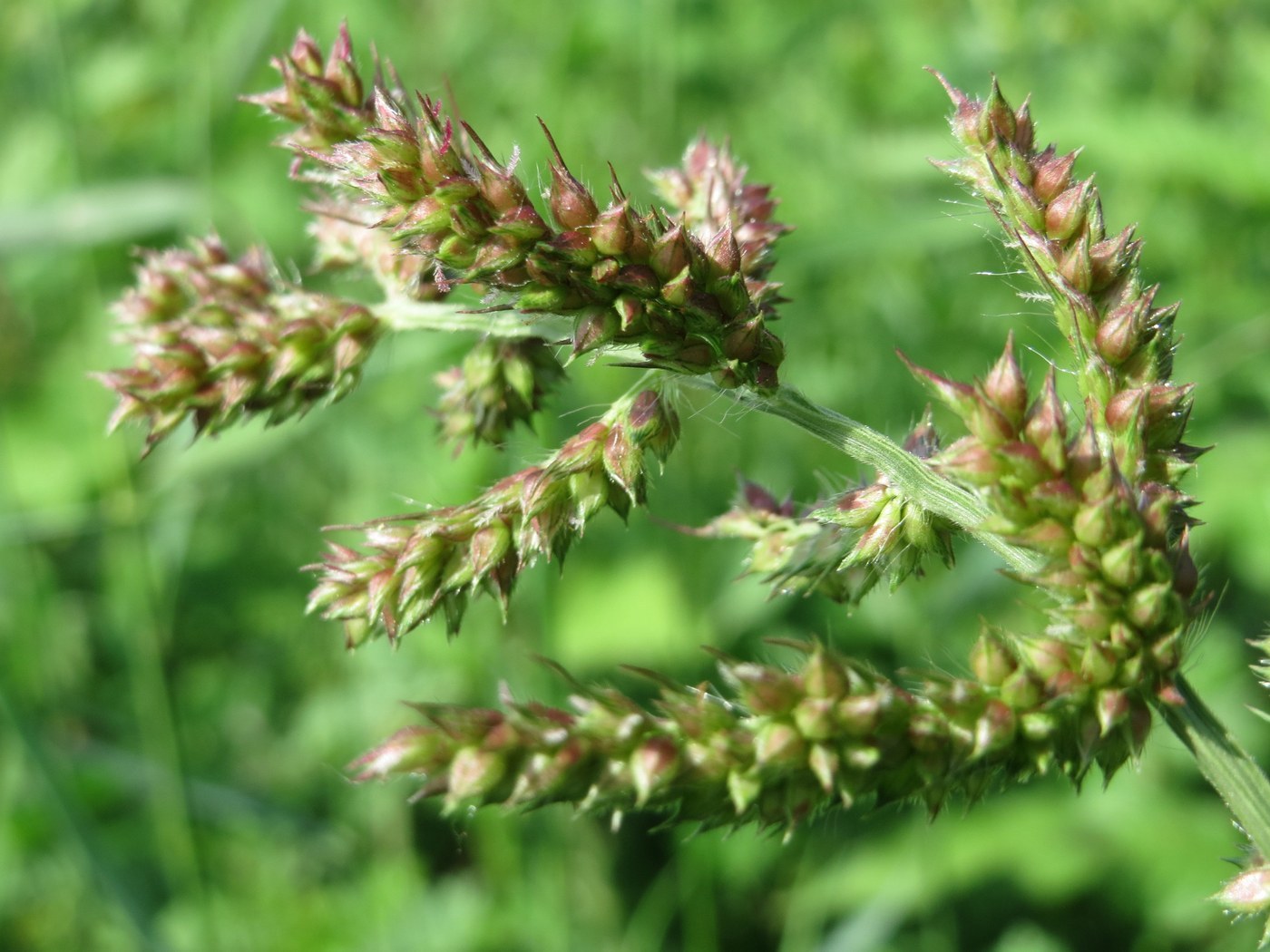
Barnyardgrass (Echinochloa crus-galli) is a robust warm-season annual grass with broad, flat blades and nodding, branched seed heads. Extremely vigorous and moisture-loving, it grows easily from seed in sunny, damp ground and is used in naturalistic wetland-edge, wildlife, and restoration plantings.
Light
Grow in full sun for the strongest, most upright growth. It tolerates very light shade but becomes lax and less productive without ample direct light.
Water
Barnyardgrass loves consistently moist to wet soil and is notably flood-tolerant, thriving at pond margins, in ditches, and in seasonally inundated ground. Keep the soil damp; it will not tolerate prolonged drought and browns quickly when dry.
Soil & Potting
It is unfussy about soil and grows in everything from heavy clay to silt, especially where fertile and moisture-retentive. Rich, damp soils produce the lushest stands. In containers, use a heavy, water-retentive mix and stand the pot in a saucer of water to mimic its boggy preferences.
Humidity & Temperature
A true warm-season grass, it germinates and grows fastest in warm soil and hot weather, and is killed by frost. Humidity is no problem; it thrives in warm, muggy conditions near water.
Feeding
In fertile ground no feeding is needed. On poor soils a light dose of nitrogen boosts blade growth, but this grass is so vigorous that supplemental feeding is rarely necessary.
Propagation
Propagate from seed. Sow onto moist soil in late spring after warming, pressing seed into the surface, as light and moisture aid germination. It self-seeds abundantly, so manage seed set if you don't want spread.
Repotting / Pruning
As an annual it completes its cycle in one season and needs no repotting. You can cut back or mow stands to limit self-seeding. Remove spent plants after they set seed and die back with frost.
Common Problems & Pests
This is a tough, largely pest-free grass. Its main drawback is aggressiveness: it spreads readily by seed and can dominate wet ground, so contain it where unwanted. Rust and smut fungi occasionally appear on the foliage but rarely warrant treatment in ornamental settings.
Seasonal Care Tips
Sow in late spring once soil is warm. Keep the ground wet through summer for peak growth. To prevent unwanted spread, cut or remove seed heads before they ripen. After frost kills the top growth, clear the debris; new plants will emerge from dropped seed the next warm season.
Frequently asked questions
Does Barnyardgrass need to stay wet?
It strongly prefers moist to wet soil and tolerates flooding, so keep the ground consistently damp. It struggles and browns in dry conditions.
Is Barnyardgrass an annual or perennial?
It's a warm-season annual. It germinates in spring, grows fast through summer, sets abundant seed, and dies back with the first frost.
How do I keep it from spreading?
Cut or remove the seed heads before they ripen, since it self-seeds prolifically. Mowing or pulling plants before seed set keeps stands in check.
Can I grow Barnyardgrass in a container?
Yes, in a heavy, moisture-retentive mix. Stand the pot in a water-filled saucer to mimic the boggy conditions it favors.
Barnyardgrass identified by the community
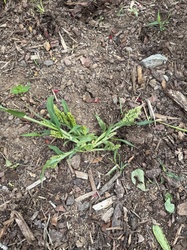
Recent Barnyardgrass specimens identified with Plant Identifier.