Barnyardgrass
Echinochloa crus-galli
Barnyardgrass is a fast-growing annual grass and one of the world's most troublesome weeds of rice and row crops.
- Light
- Full sun
- Water
- Moist to wet soil; flood-tolerant
- Difficulty
- Easy
Got a plant like this?
Identify any plant from a photo, free.
Overview
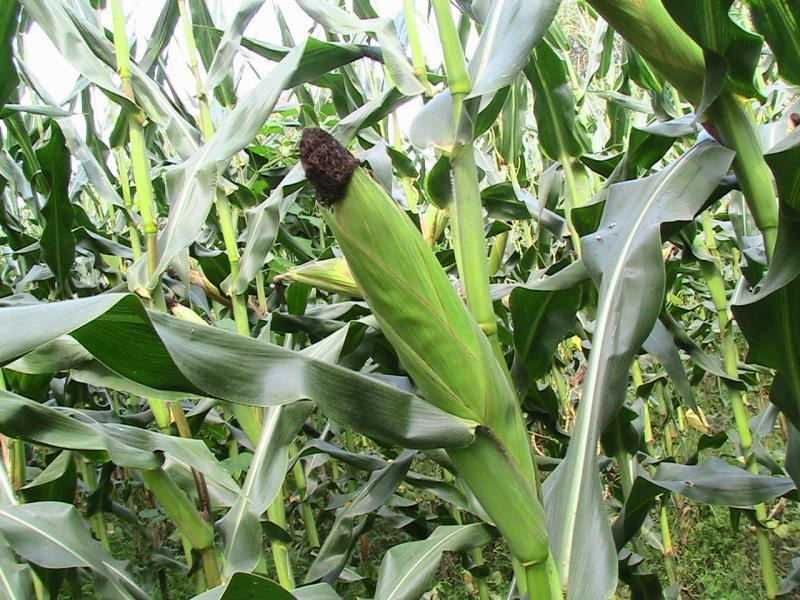
Barnyardgrass (Echinochloa crus-galli) is a robust warm-season annual grass native to Europe and Asia and now naturalized across nearly every temperate and tropical region. It thrives in disturbed, moist, fertile soils and is a notorious weed of rice paddies, corn, soybeans and irrigated fields.
Despite its weedy reputation, it is closely related to the cultivated cereal Japanese millet and produces abundant seed. It germinates over a long season and can complete its life cycle quickly, making it highly competitive.
How to identify it
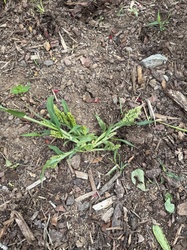
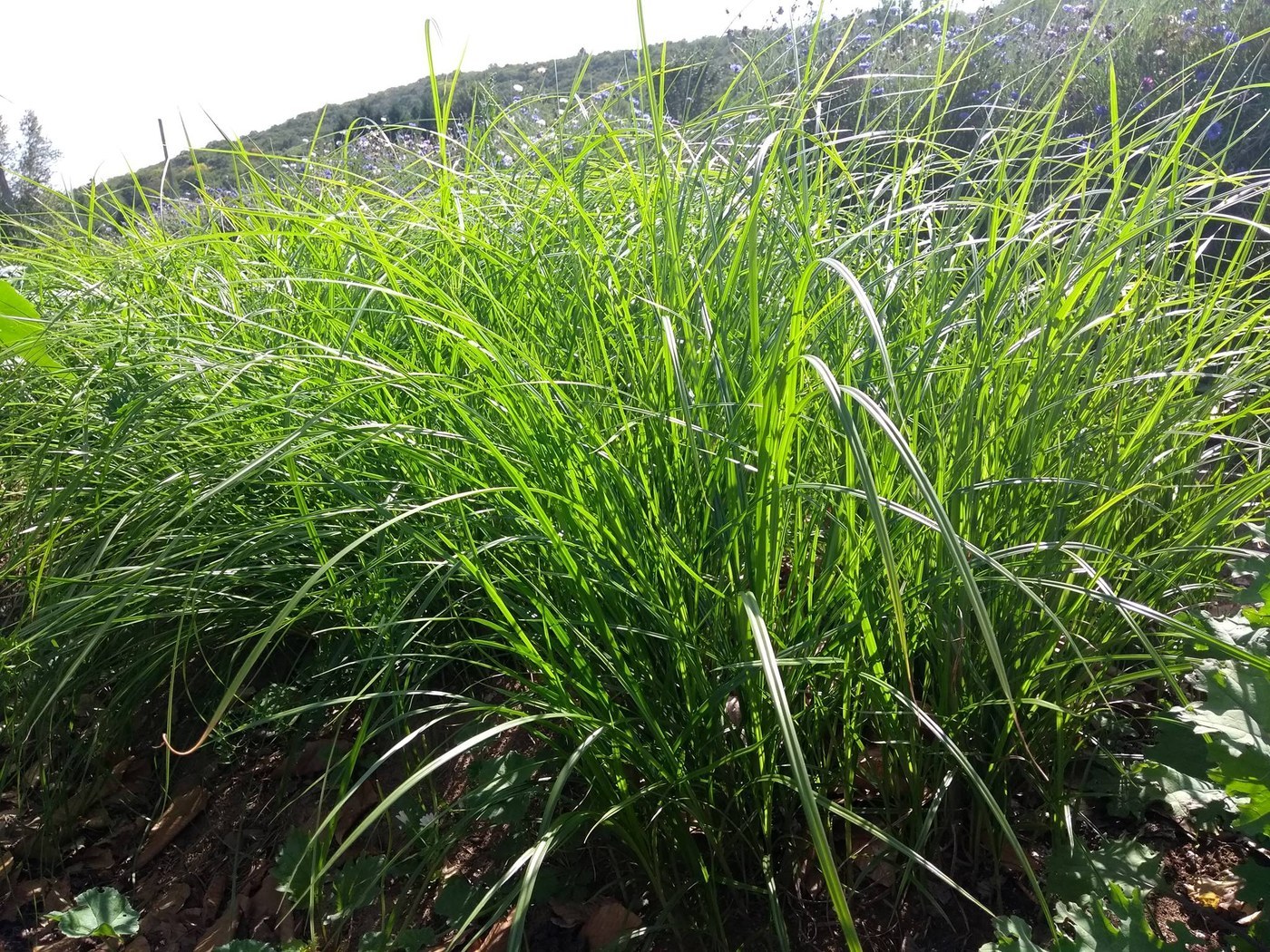
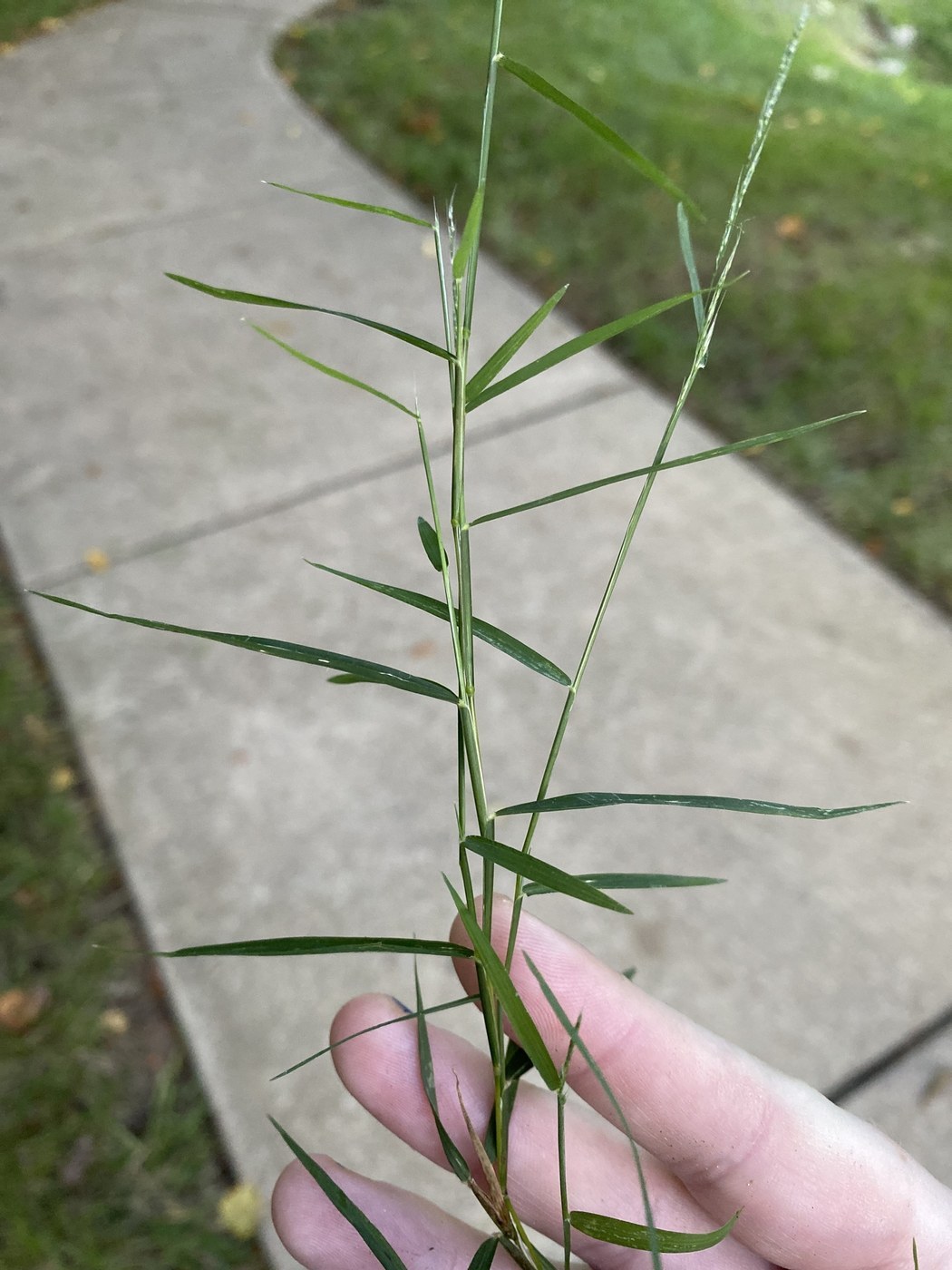
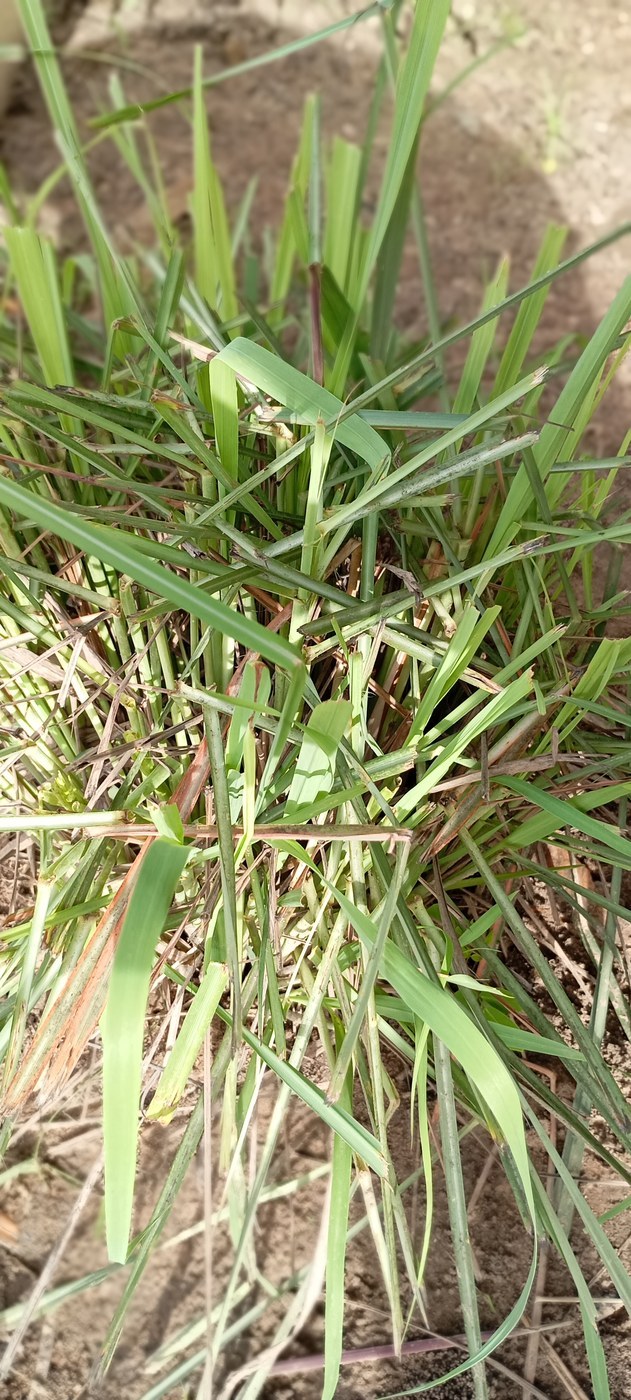
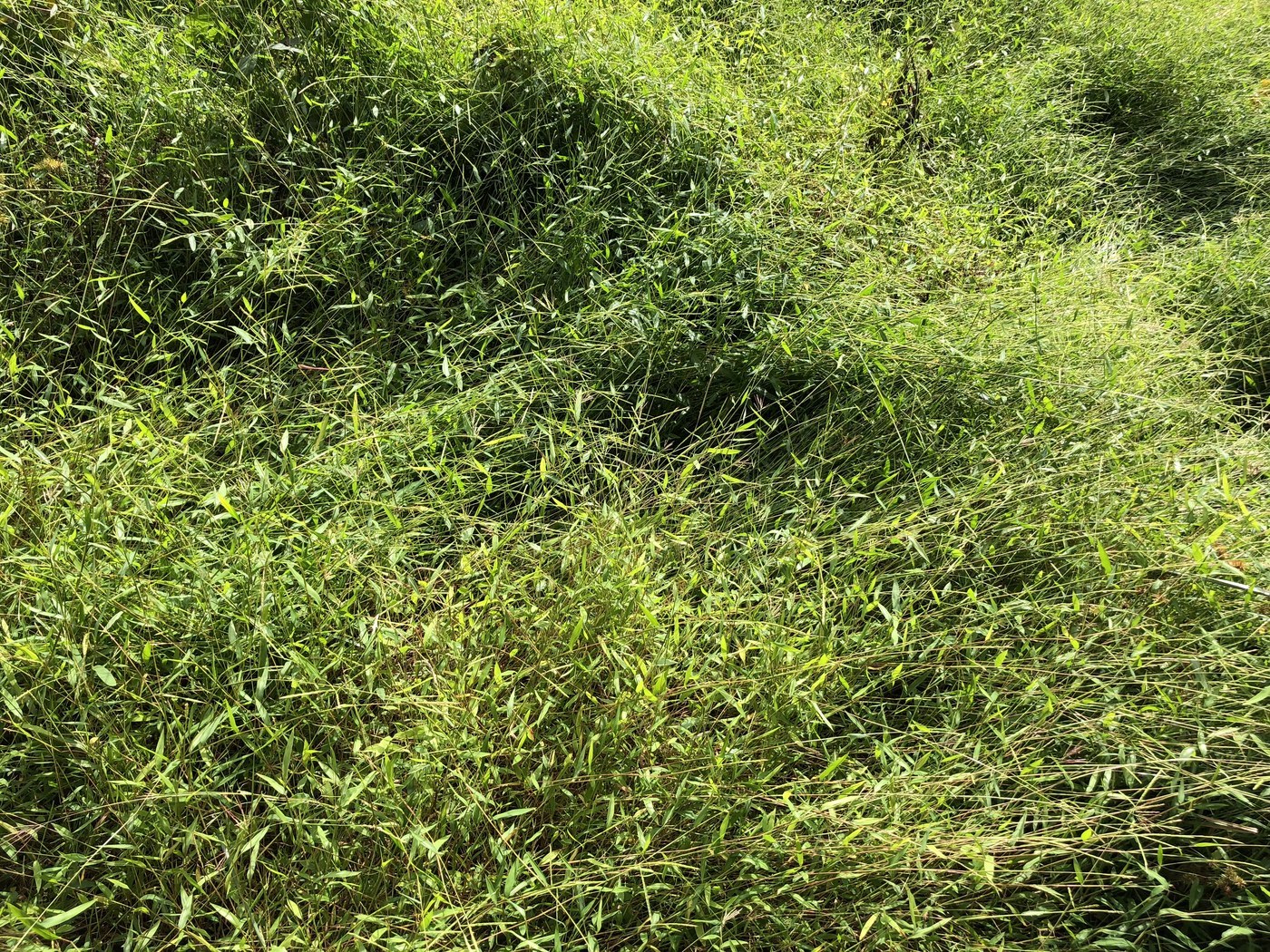
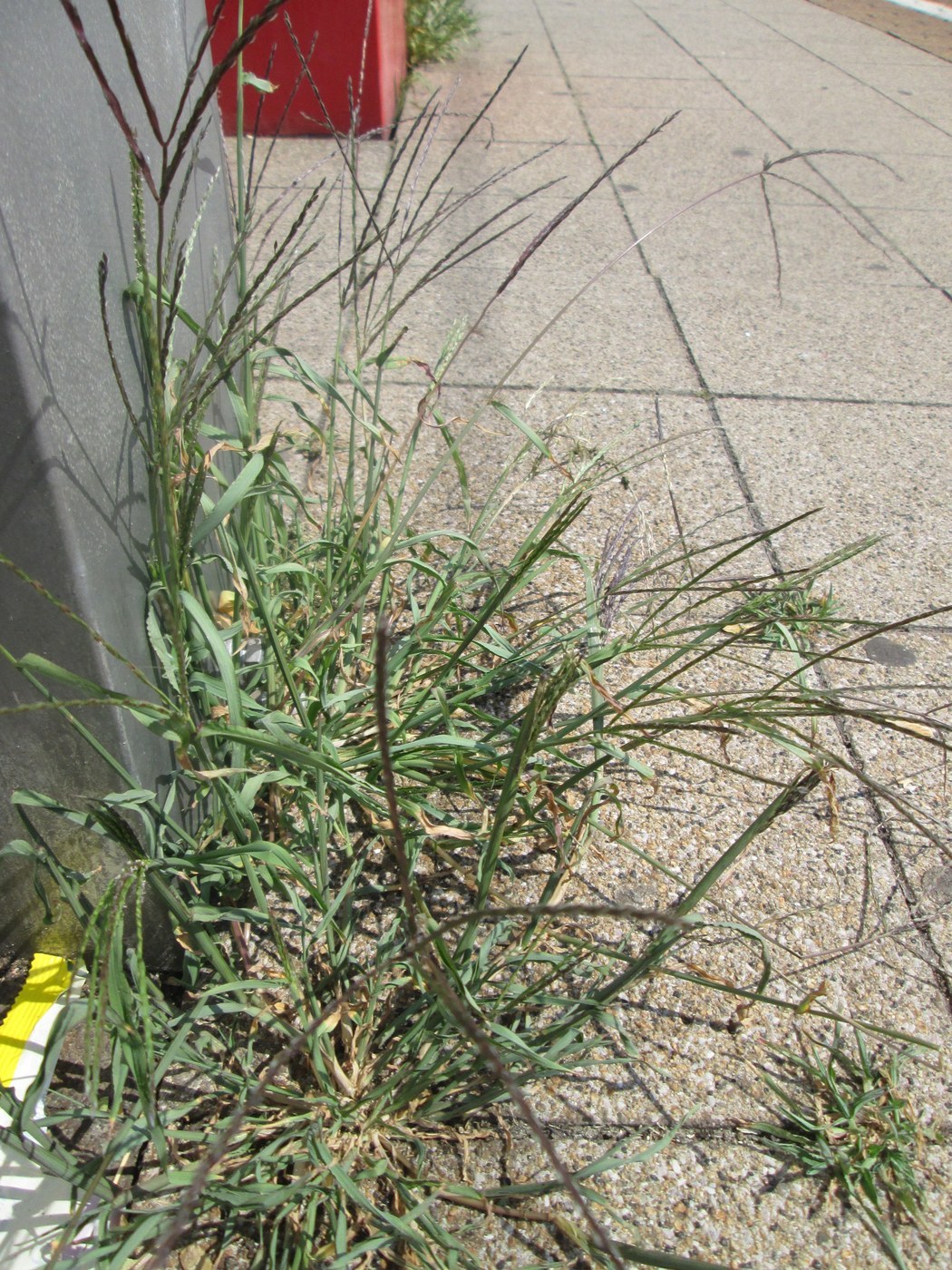
A coarse, tufted annual reaching 1.5 m (5 ft) tall, often with reddish-purple stem bases.
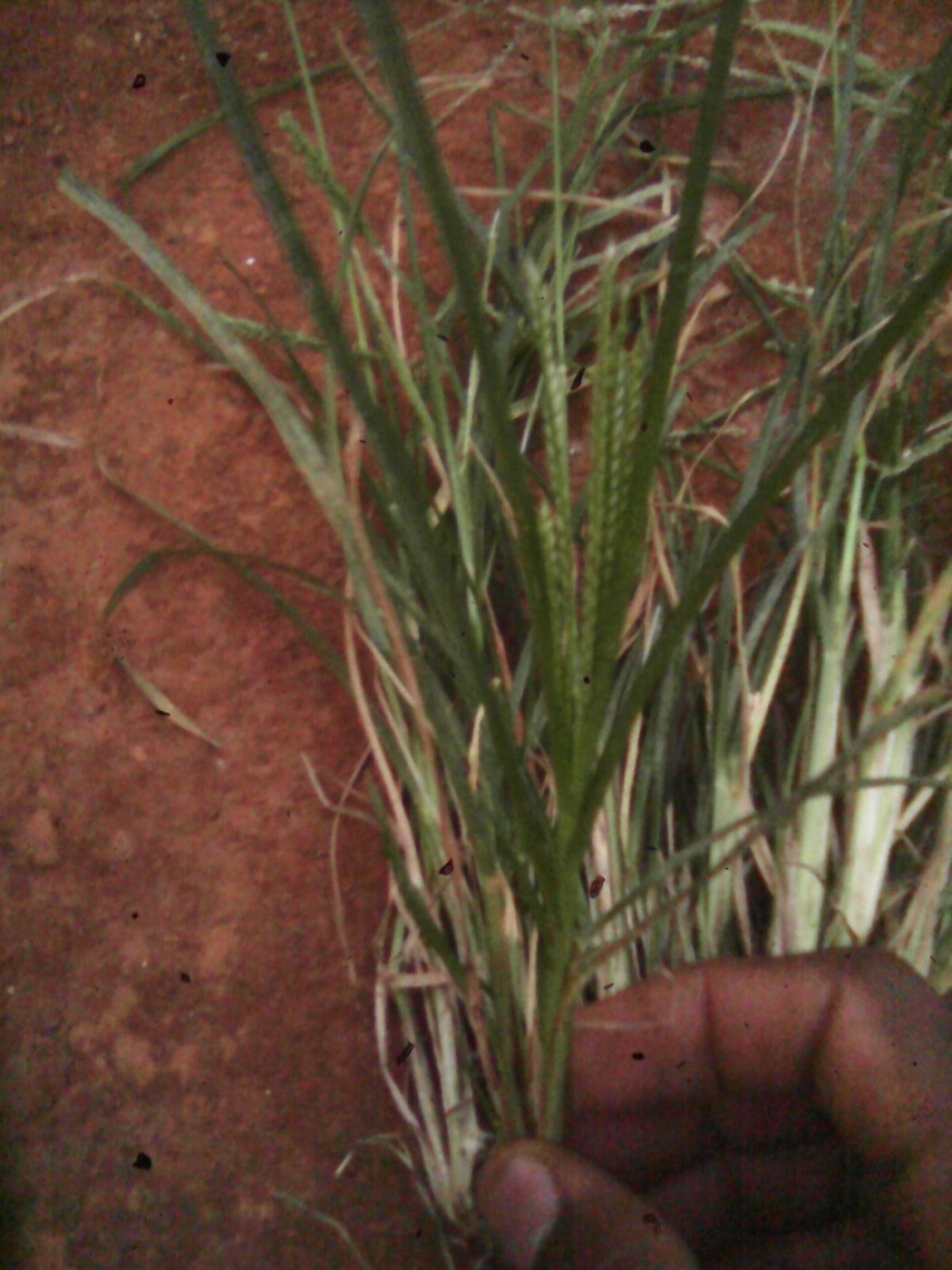
- Leaves: flat, smooth blades up to 1.5 cm wide, notably lacking a ligule (membrane at leaf base) — a key diagnostic feature
- Stems: stout, sprawling to erect, smooth, frequently tinged purple
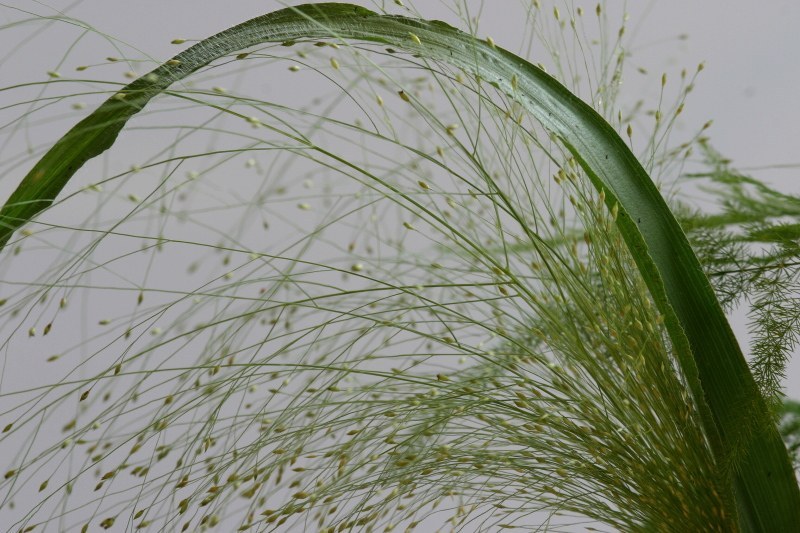
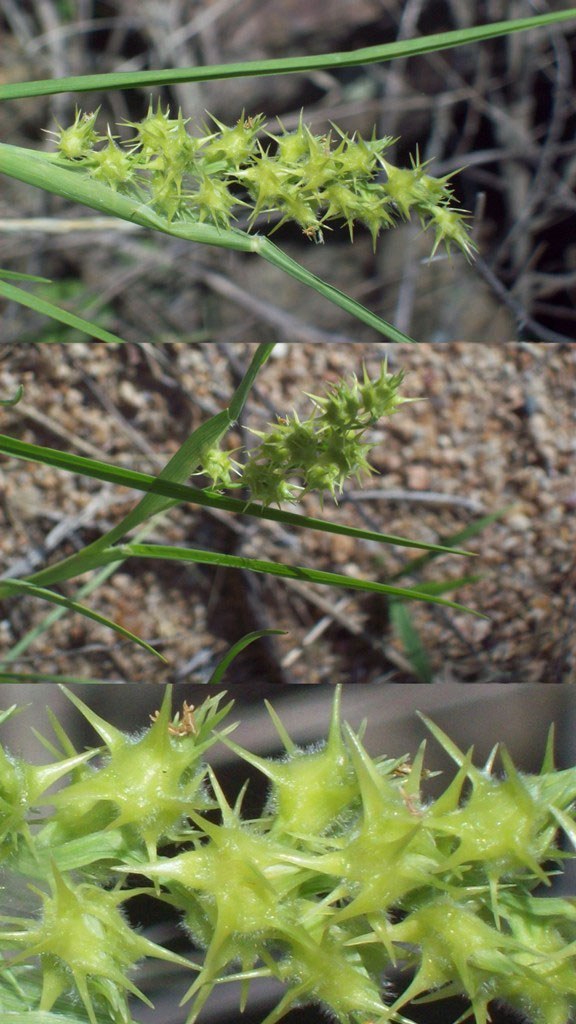
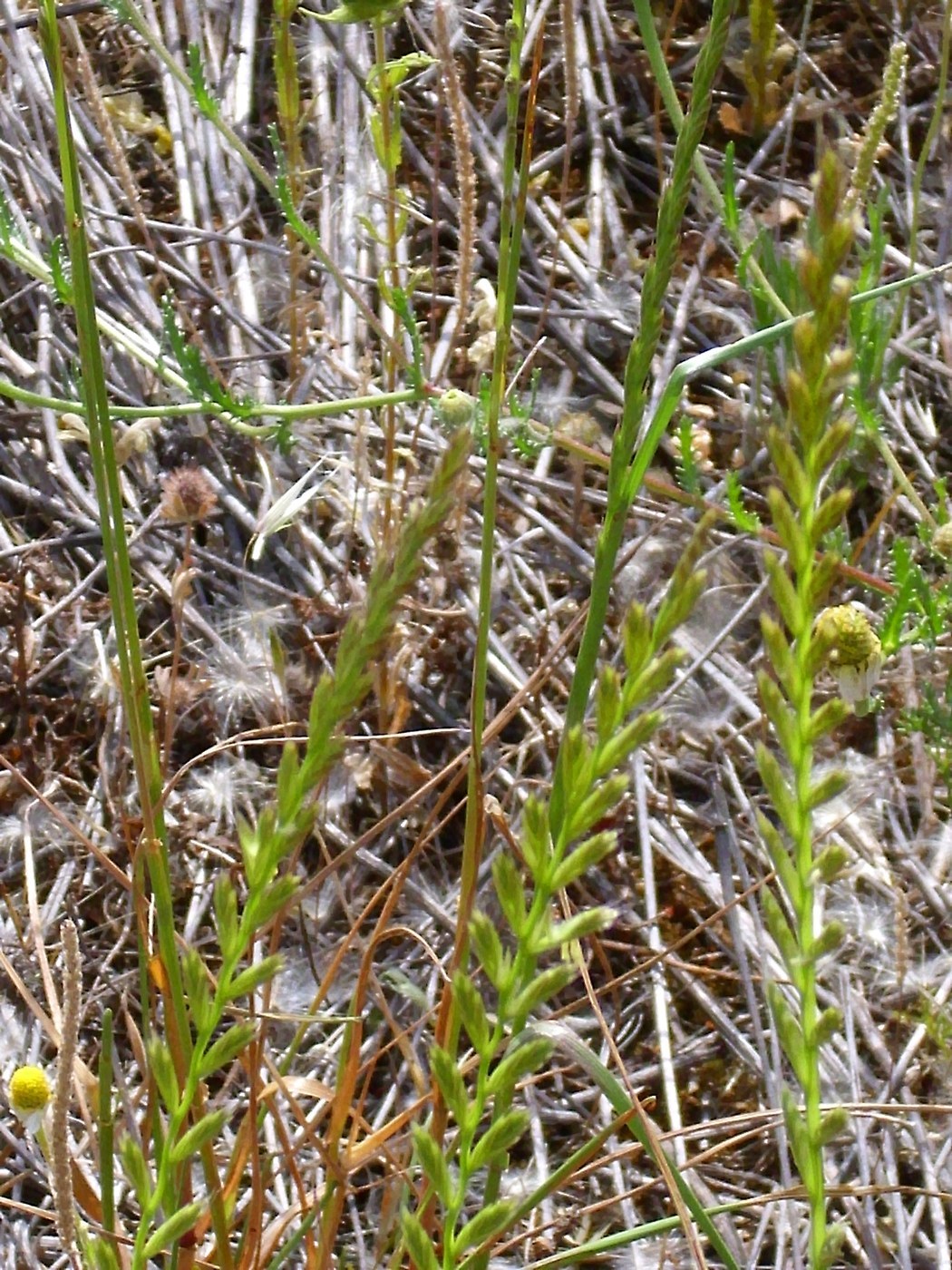
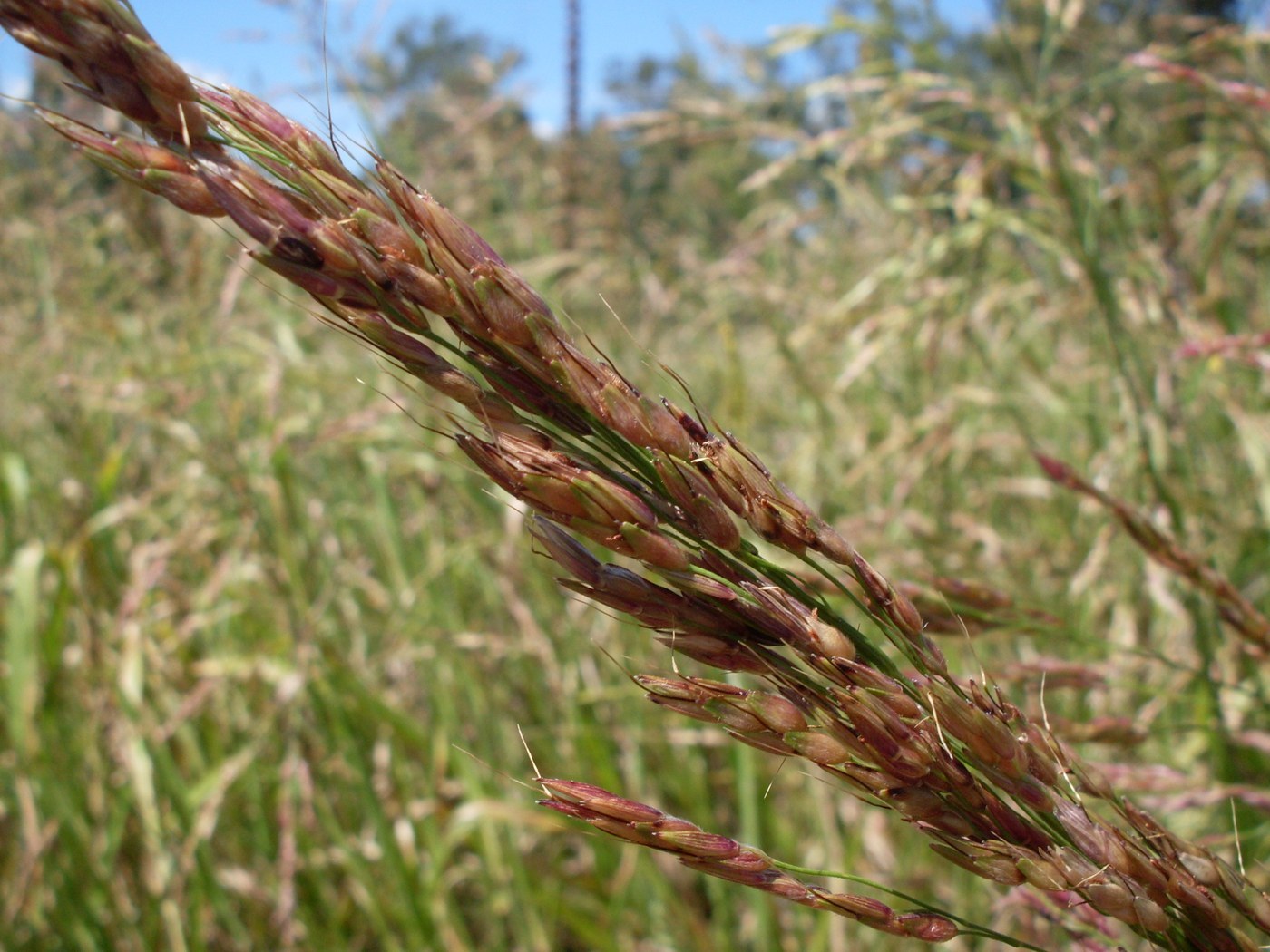
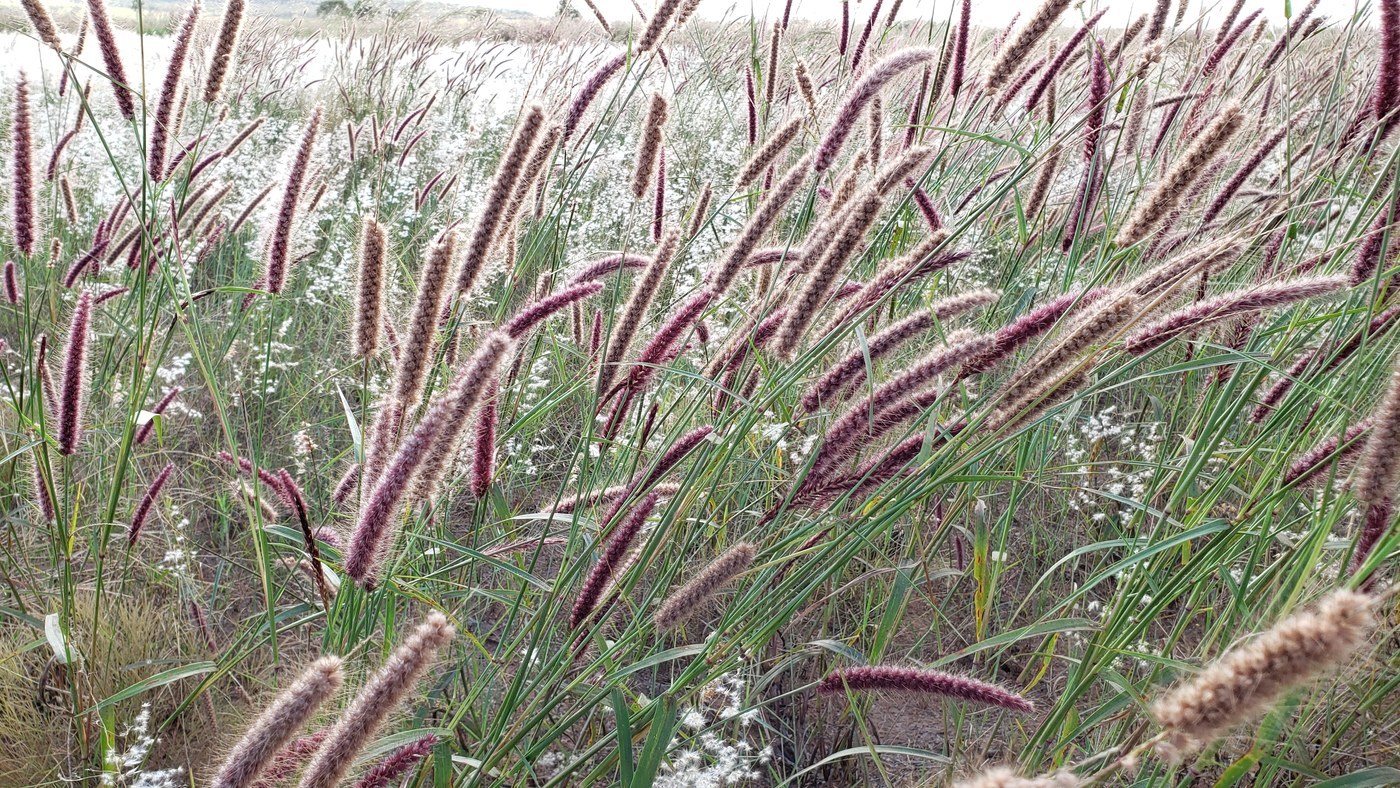
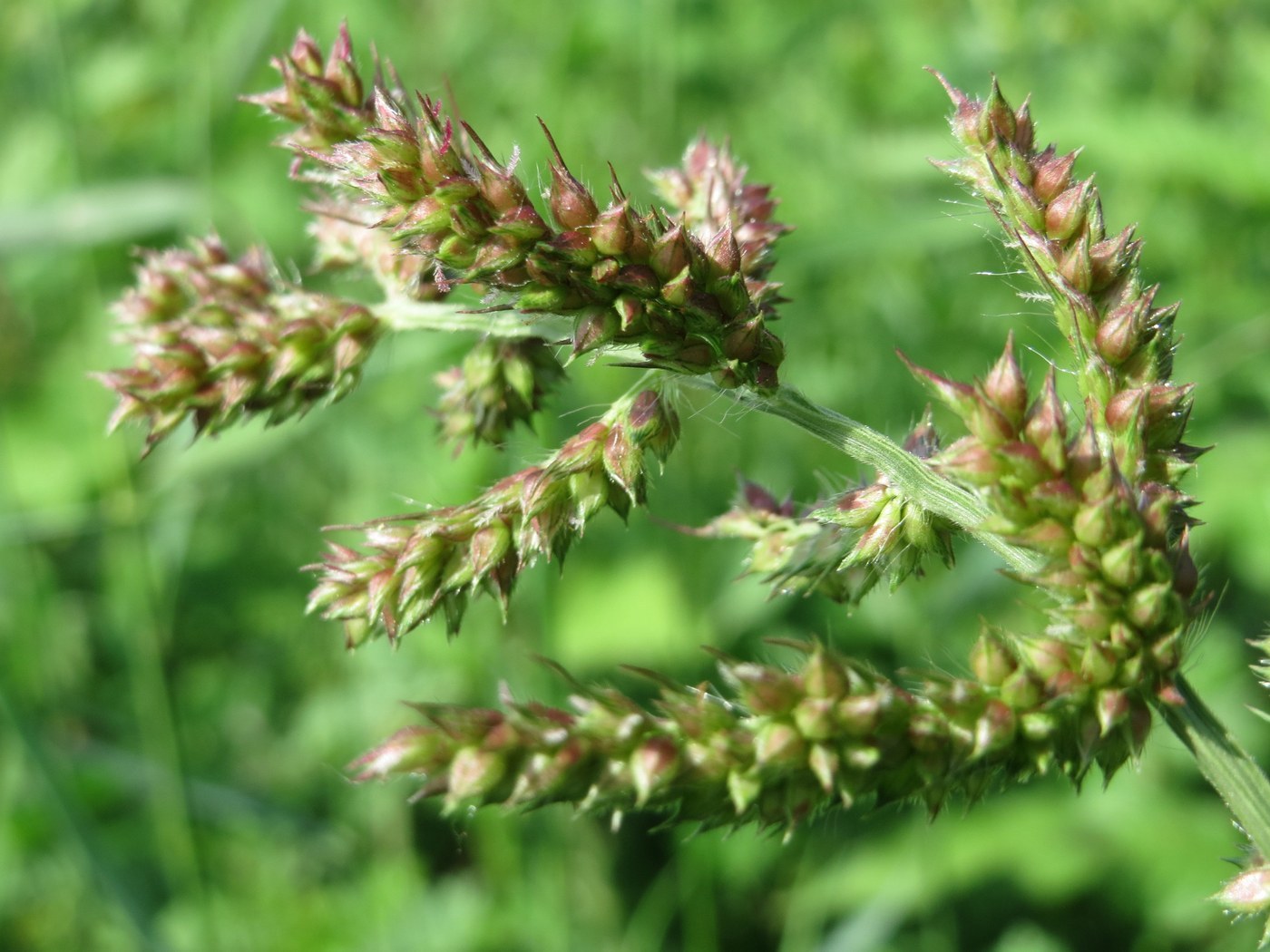
- Seedhead: a branched panicle of greenish to purplish spikelets, often bearing short to long bristly awns
- Roots: fibrous, shallow but extensive
Care & growing
Rarely cultivated deliberately; it is usually encountered as a weed.
- Light: full sun for vigorous growth
- Water: prefers consistently moist or saturated soil; tolerates standing water
- Soil: rich, disturbed soils high in nitrogen
- Temperature: warm-season; germinates in spring and grows through summer
- Propagation: by seed only; a single plant can produce tens of thousands of seeds
In gardens and fields it is usually managed as a weed by mulching, cultivation or pre-emergent control.
Habitat & origin
Native to Eurasia, barnyardgrass is now cosmopolitan, found on every continent except Antarctica. It favors ditches, riverbanks, wet meadows, cultivated fields and other disturbed wet ground.
It is especially associated with irrigated agriculture and is one of the most damaging weeds of rice worldwide.
Frequently asked questions
Why is barnyardgrass such a problem weed?
It germinates over a long period, grows extremely fast, tolerates flooding, and produces enormous quantities of seed, allowing it to outcompete crops like rice and corn.
How do I tell barnyardgrass from other grasses?
The clearest clue is the absence of a ligule where the leaf meets the stem, combined with reddish stem bases and a bristly, often purplish seedhead.
How tall does barnyardgrass grow?
It is a coarse, tufted annual that can reach about 1.5 m (5 ft) tall, with stout stems that are often tinged reddish-purple at the base.
Barnyardgrass guides
In-depth guides for identifying, growing, and caring for Barnyardgrass.
How to Care for Barnyardgrass
A vigorous warm-season annual grass that thrives in wet, sunny sites and tolerates flooding, grown from seed for naturalistic or restoration plantings.
Barnyardgrass Identification Guide
A field guide to recognizing barnyardgrass (Echinochloa crus-galli), a coarse warm-season annual grass of crop fields, ditches, and wet ground. Covers its hairless ligule, reddish stem bases, and bristly seedheads.
Barnyardgrass identified by the community
Real specimens identified with Plant Identifier.