How to Care for Bird of Paradise
Grow dramatic bird of paradise for its crane-like orange-and-blue blooms in bright light with steady warmth.
Read the full Bird of Paradise encyclopedia entry →
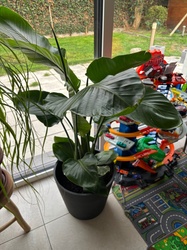
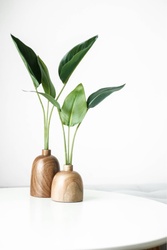
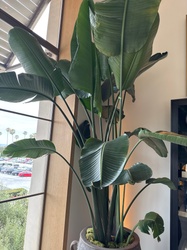
Bird of Paradise (Strelitzia reginae) is a bold, clump-forming perennial famous for its exotic, crane-like flowers in vivid orange and electric blue rising above broad, paddle-shaped leaves. It makes a striking landscape specimen in warm climates and a dramatic container plant elsewhere, though it demands bright light and patience before it blooms.
Light
Bird of paradise craves bright light and is one of the sunniest-loving houseplants. Give it bright direct to bright indirect light, ideally several hours of direct sun each day. Indoors, place it at your brightest window, preferably south or west facing. Insufficient light is the most common reason mature plants fail to flower, producing lush leaves but no blooms.
Water
Water when the top inch of soil dries out, keeping the plant evenly moist during the warm growing season but never waterlogged. Reduce watering in winter when growth slows, letting the soil dry a bit more between drinks. The thick roots store water, so err toward slightly dry rather than soggy; overwatering leads to root rot and yellowing leaves.
Soil & Potting
Use a rich, well-draining potting mix, ideally a loam-based blend amended with bark or perlite for aeration. A slightly acidic to neutral pH works well. Bird of paradise likes to be somewhat root-bound, which actually encourages flowering, so avoid oversized pots. Ensure containers have ample drainage holes to prevent standing water around the fleshy roots.
Humidity & Temperature
This is a warmth-loving plant that prefers temperatures between roughly 65 and 85 F and dislikes cold drafts. Protect it from frost, which damages the foliage and can kill container plants. It appreciates moderate to high humidity, and while it tolerates average indoor air, occasional misting or a humidity tray keeps the large leaves from browning at the edges in dry rooms.
Feeding
Bird of paradise is a hungry plant that rewards regular feeding, especially if you want flowers. Feed every two to four weeks through spring and summer with a balanced fertilizer, or use a slow-release granular formula. Some growers favor a bloom-boosting formula higher in phosphorus as the plant matures. Stop feeding in late fall and winter while growth is dormant.
Propagation
The most reliable method is division of established clumps in spring, separating rooted offshoots each with their own fan of leaves and roots; divisions may pause before resuming growth. Bird of paradise can also be grown from seed, but this is slow and seed-grown plants may take many years to reach flowering size. Division is far quicker for producing a blooming-capable plant.
Repotting / Pruning
Repot only every few years, since crowded roots promote flowering. When you do repot, move up just one pot size in spring. Prune only to remove dead, damaged, or yellowing leaves and spent flower stalks, cutting them cleanly at the base. Wiping the broad leaves keeps them dust-free and photosynthesizing efficiently. Minimal pruning is needed beyond tidying.
Common Problems & Pests
Spider mites, scale, and mealybugs can trouble indoor plants; inspect the undersides of leaves and treat with insecticidal soap or horticultural oil. Leaf edges turn brown from dry air, underwatering, or salt buildup, while yellowing lower leaves often signal overwatering. Root rot follows soggy soil. The classic frustration is a plant that will not bloom, almost always due to too little light, too much repotting, or immaturity.
Seasonal Care Tips
In spring and summer, give maximum light, water regularly, and feed steadily to fuel growth and flowering. Move container plants outdoors to a bright, warm spot for the season if possible, acclimating gradually. In fall, bring them in before cold arrives and reduce watering and feeding as growth slows. Keep the plant warm and in bright light over winter, and be patient, as blooms come only on mature, well-established plants.
Frequently asked questions
Why won't my bird of paradise flower?
The most common reasons are too little light, immaturity, and frequent repotting. Give it hours of bright direct sun, feed regularly, and leave it slightly root-bound. Plants often need to be several years old before blooming.
How much light does bird of paradise need indoors?
As much as you can give it. Place it at your brightest window with several hours of direct sun. It is a true sun lover, and low light produces leaves but rarely flowers.
Why are the leaf edges turning brown?
Brown leaf edges usually point to dry air, inconsistent watering, or salt buildup. Raise humidity, water when the top inch dries, and flush the soil occasionally to leach out accumulated fertilizer salts.
Should I repot my bird of paradise often?
No. It flowers best when somewhat root-bound, so repot only every few years and move up just one pot size. Frequent repotting into large containers delays blooming.
Bird of Paradise identified by the community
Recent Bird of Paradise specimens identified with Plant Identifier.