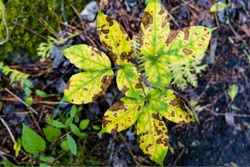
How to Care for Bitternut Hickory
Bitternut Hickory (Carya cordiformis) is a fast-growing native shade tree for full sun and moist soils, known for bright yellow winter buds.
Read the full Bitternut Hickory encyclopedia entry →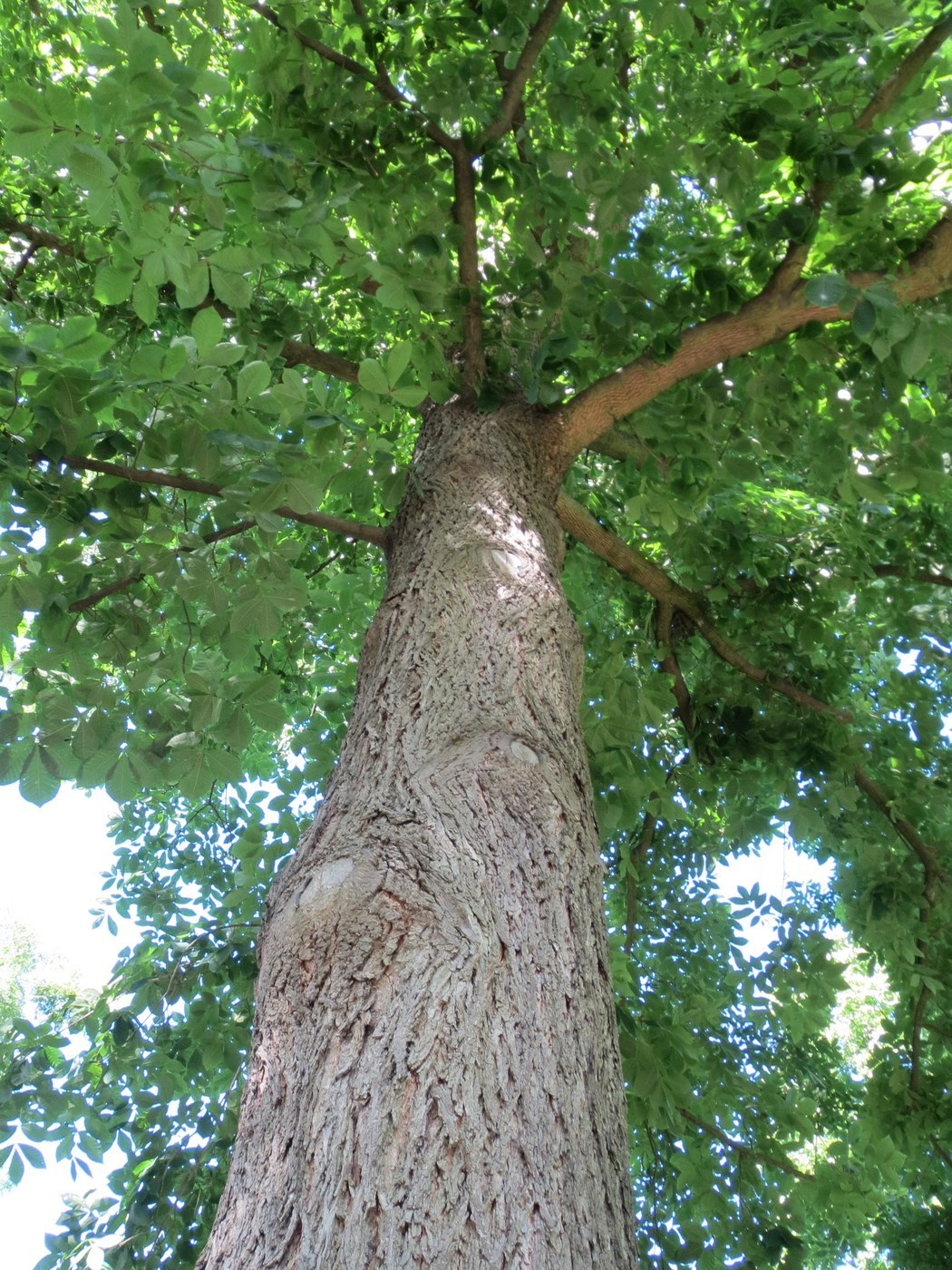
Bitternut Hickory (Carya cordiformis) is a large, stately North American shade tree, the fastest-growing and most adaptable of the hickories. It is easily recognized by its distinctive sulfur-yellow winter buds, compound leaves that turn golden in fall, and a straight trunk with tight gray bark. It makes a fine long-lived specimen for spacious landscapes, parks and naturalized areas.
Light
Plant in full sun for best form and vigor. While young trees tolerate some shade, mature specimens develop the strongest structure and fullest canopy in open, sunny sites with at least 6 hours of direct light.
Water
Water moderately. Bitternut Hickory tolerates moist to occasionally wet soils better than other hickories and appreciates consistent moisture, especially while young and establishing. It also withstands short dry periods once mature. Deep, occasional watering during drought keeps it healthy; avoid permanently waterlogged, stagnant ground.
Soil & Potting
It is adaptable to a range of soils but does best in deep, rich, moist bottomland loams. It tolerates heavier clay and periodically wet sites more readily than most hickories, and accepts neutral to slightly acidic or alkaline pH. Good soil depth suits its taproot.
Humidity & Temperature
A hardy temperate tree, it thrives across a broad climate range (roughly USDA zones 4-9) and withstands cold winters and hot, humid summers. Ambient humidity is a non-issue for this landscape tree. It is fully frost-hardy once established.
Feeding
Established trees in reasonable soil rarely need feeding. For young trees, a light application of balanced fertilizer in early spring can support growth, and an annual mulch of compost or leaf litter over the root zone supplies nutrients naturally. Avoid heavy nitrogen.
Propagation
Propagate from seed. The nuts require a period of cold, moist stratification over winter to break dormancy, then germinate in spring. Because hickories form a deep taproot early, sow seeds where the tree is to grow or start in deep containers and transplant while very young to minimize root disturbance.
Repotting / Pruning
Hickories transplant poorly once established due to their taproot, so site young trees carefully and move them small. Prune only in the dormant season to remove dead, damaged or crossing branches and to establish a strong central leader; hickories can bleed sap if cut in late winter/early spring, so prune in late fall or midwinter. Mulch the root zone but keep mulch off the trunk.
Common Problems & Pests
Bitternut Hickory is generally tough and durable. It can host hickory bark beetle, various caterpillars and gall-forming insects, and leaf-spot or anthracnose fungi in wet seasons, though these are seldom serious on a healthy tree. Good siting, airflow and mulching keep problems minimal. Transplant shock is the most common setback for young trees.
Seasonal Care Tips
Plant in spring or fall as a small, young tree for best establishment. Water regularly through the first few seasons and mulch to conserve moisture. Enjoy golden fall color, then prune during dormancy in late fall or midwinter. Once established the tree is largely self-sufficient and long-lived.
Frequently asked questions
How fast does Bitternut Hickory grow?
It is the fastest-growing of the hickories, putting on moderate to rapid growth in full sun and deep, moist soil, and eventually forming a large shade tree with a straight trunk and rounded crown.
Can Bitternut Hickory handle wet soil?
Yes, more so than other hickories. It naturally grows in moist bottomlands and tolerates periodically wet or heavy clay soils, though it does not want permanently stagnant, waterlogged ground.
Why is Bitternut Hickory hard to transplant?
Like other hickories it develops a deep taproot early in life. This makes established trees difficult to move, so plant young, small trees or sow seed directly where the tree is to grow.
When should I prune Bitternut Hickory?
Prune in the dormant season, ideally late fall or midwinter, to remove dead or crossing branches. Avoid late-winter to early-spring cuts, which can cause heavy sap bleeding.
Bitternut Hickory identified by the community
Recent Bitternut Hickory specimens identified with Plant Identifier.