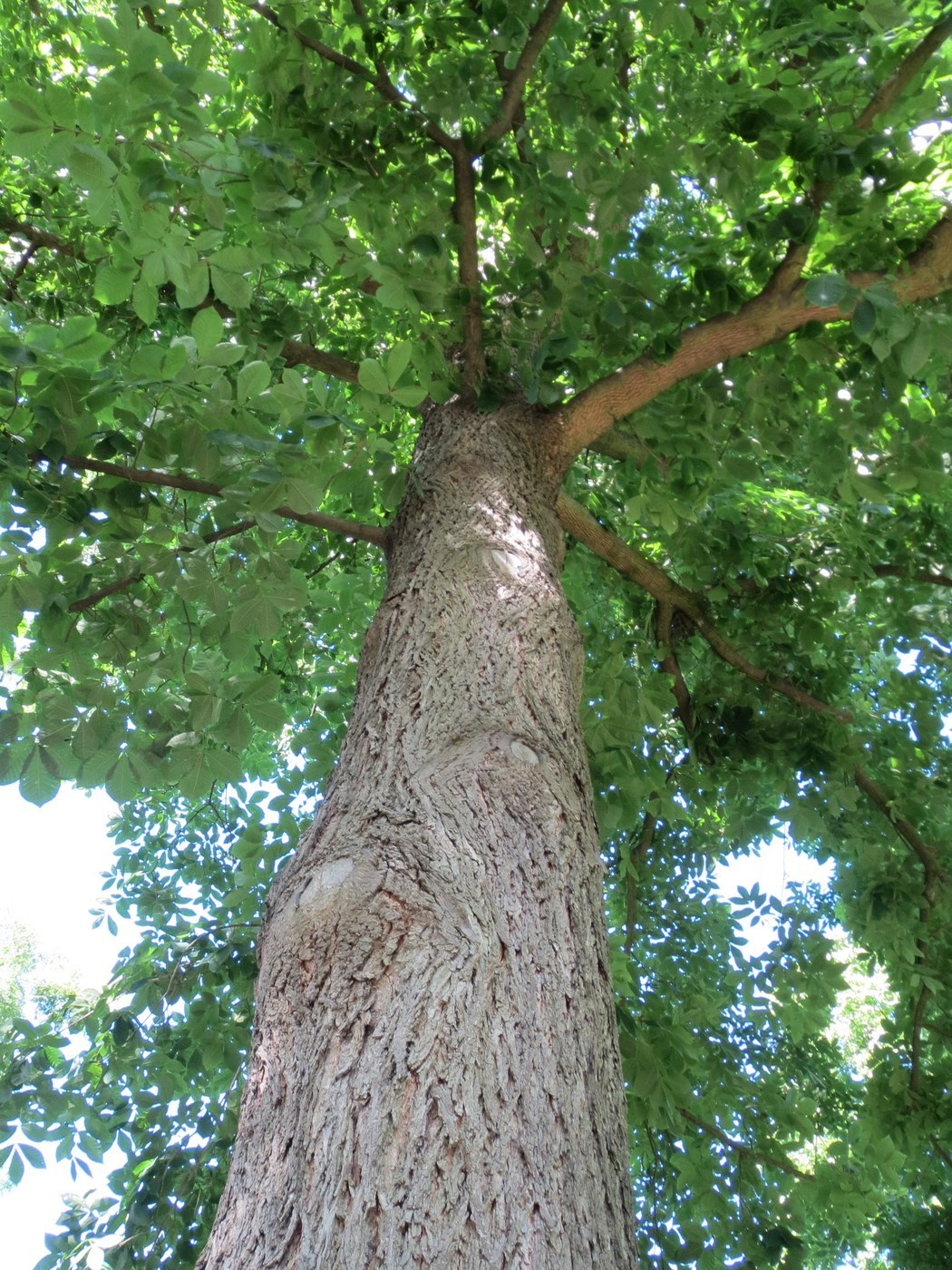
Bitternut Hickory
Carya cordiformis
Bitternut hickory is a tall, fast-growing eastern North American hickory recognized by its bright sulfur-yellow winter buds. Its dense, strong wood is valued for tool handles and firewood.
- Light
- Full sun
- Water
- Moderate; tolerates moist soils
- Difficulty
- Moderate
Got a plant like this?
Identify any plant from a photo, free.
Overview
Bitternut hickory (Carya cordiformis) is a large deciduous tree in the walnut family and one of the most widespread hickories in eastern North America. It belongs to the "pecan hickory" group.
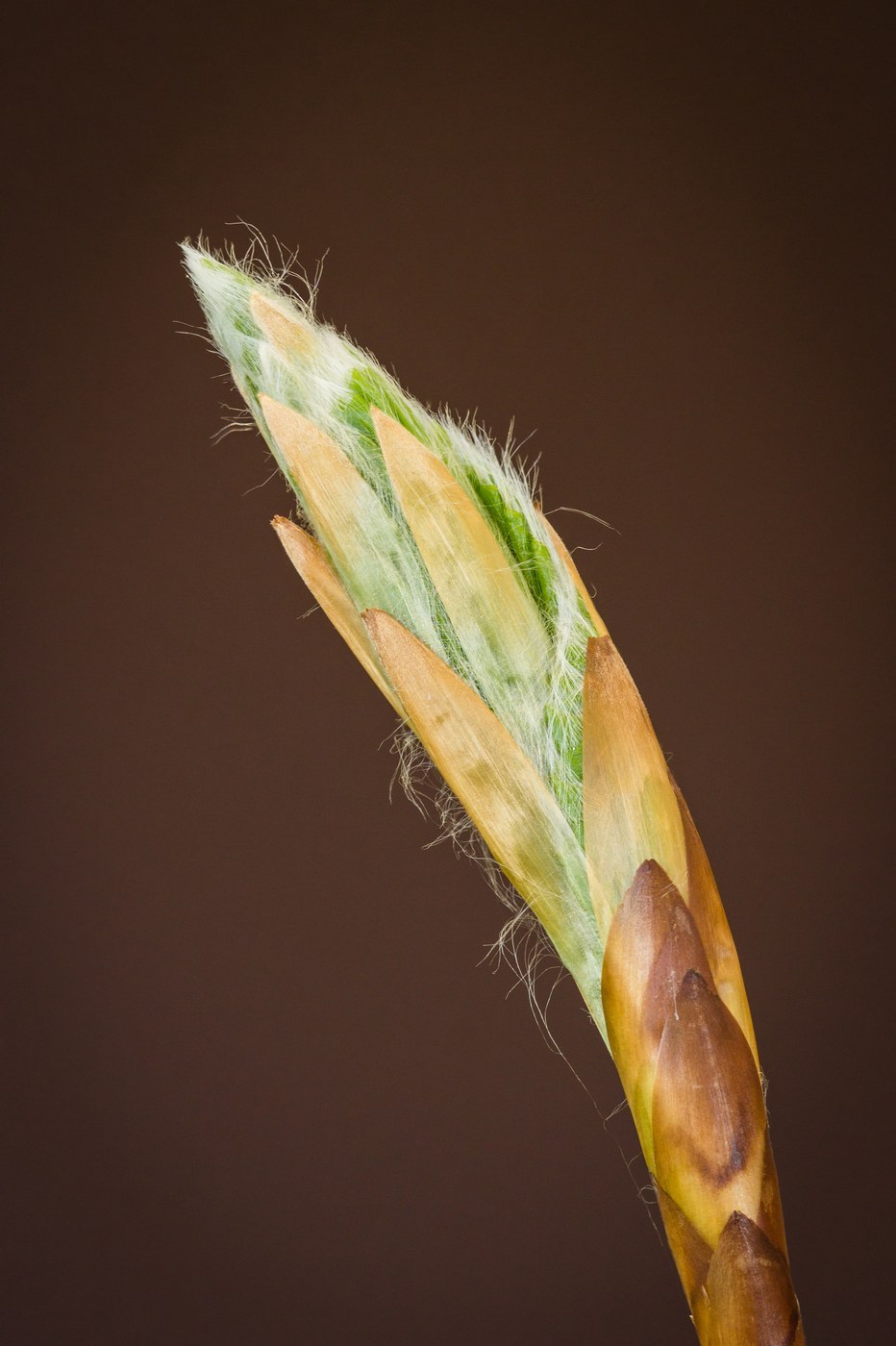
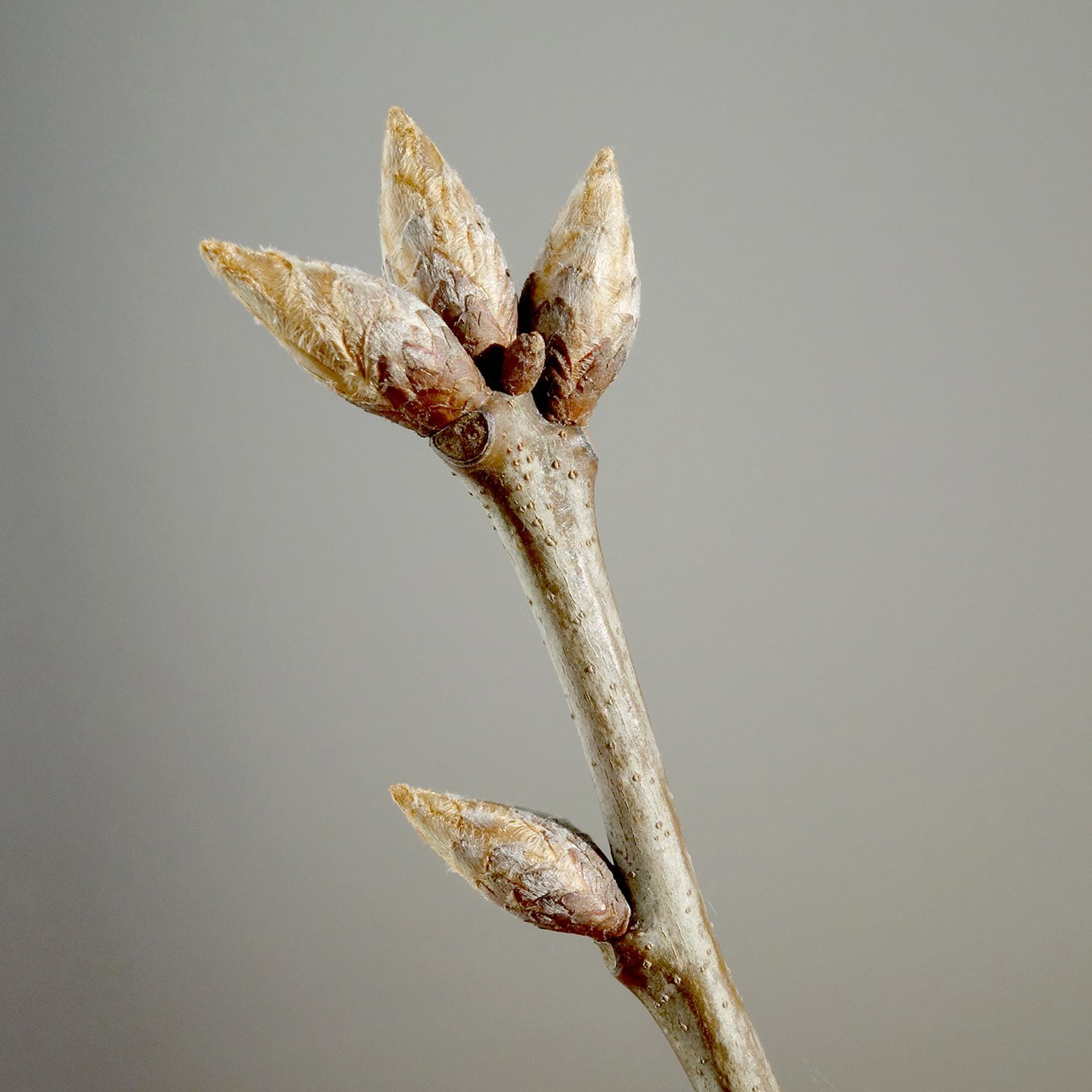
Its most reliable identifying feature is its bright sulfur-yellow buds, unmatched by any other native hickory.
The tree is valued for its strong, heavy wood, used for tool handles and firewood, and forms a broad, rounded crown.
How to identify it
- Buds: Distinctive bright yellow, scurfy terminal buds — the single best field mark.
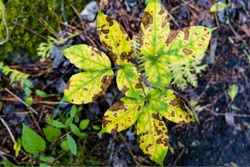
- Leaves: Pinnately compound, 6–10 in long, usually with 7–11 (most often 9) slender, finely toothed leaflets.
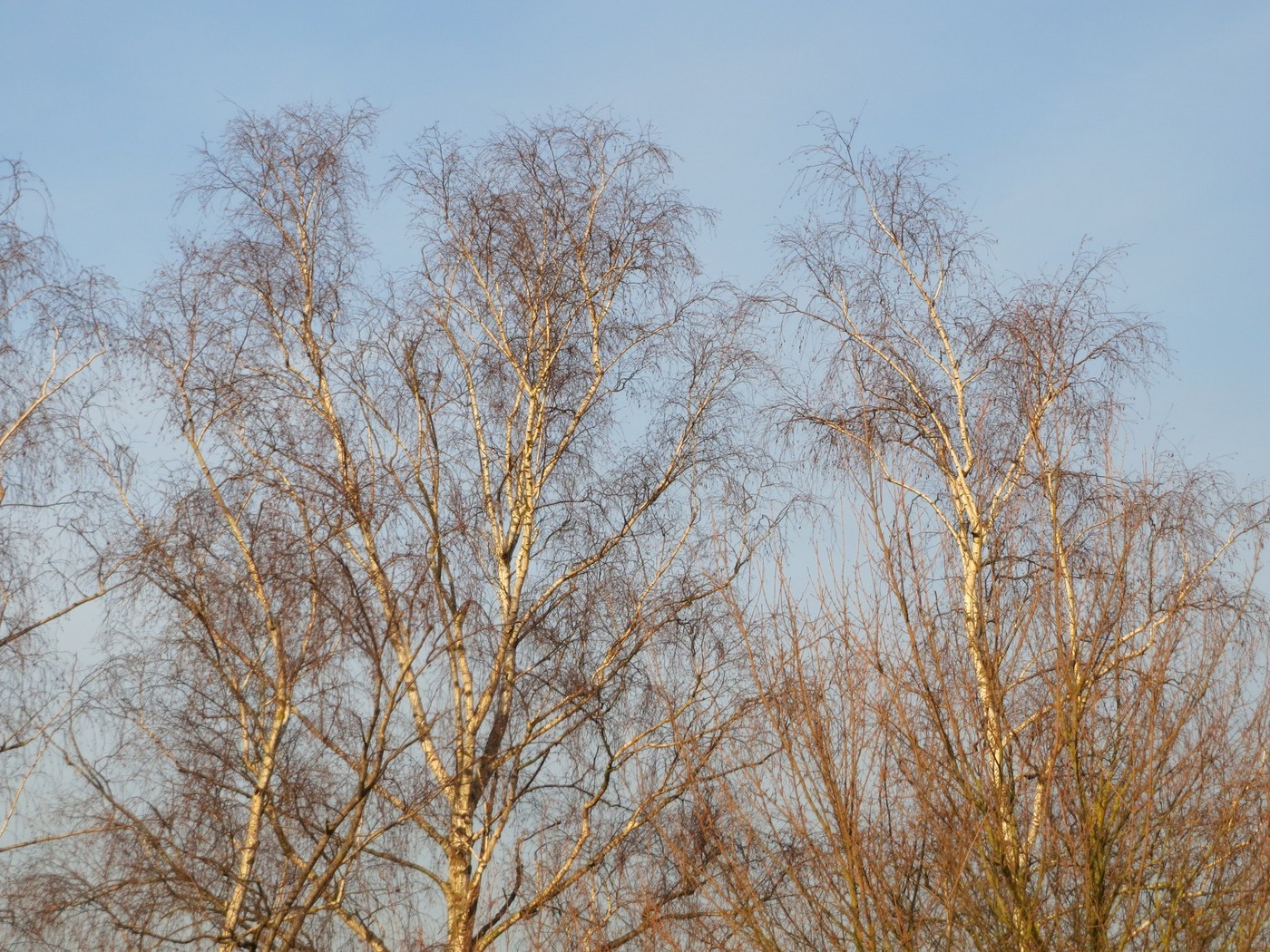
- Bark: Gray, smooth when young, becoming shallowly furrowed with interlacing ridges (not shaggy).
- Fruit: Small, rounded nut about 1 in wide, with a thin husk that splits partway and prominent wing-like ridges along the sutures.
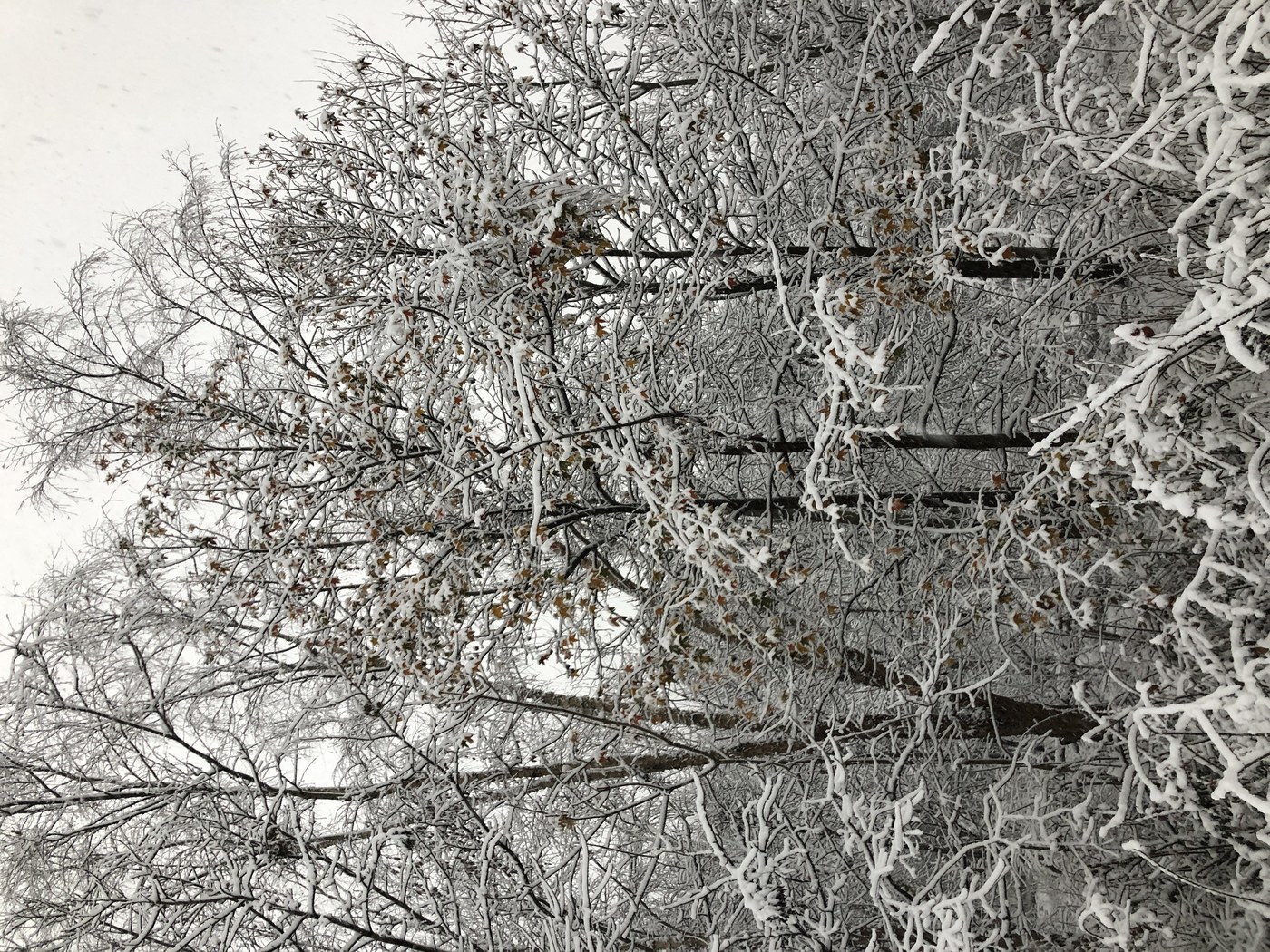
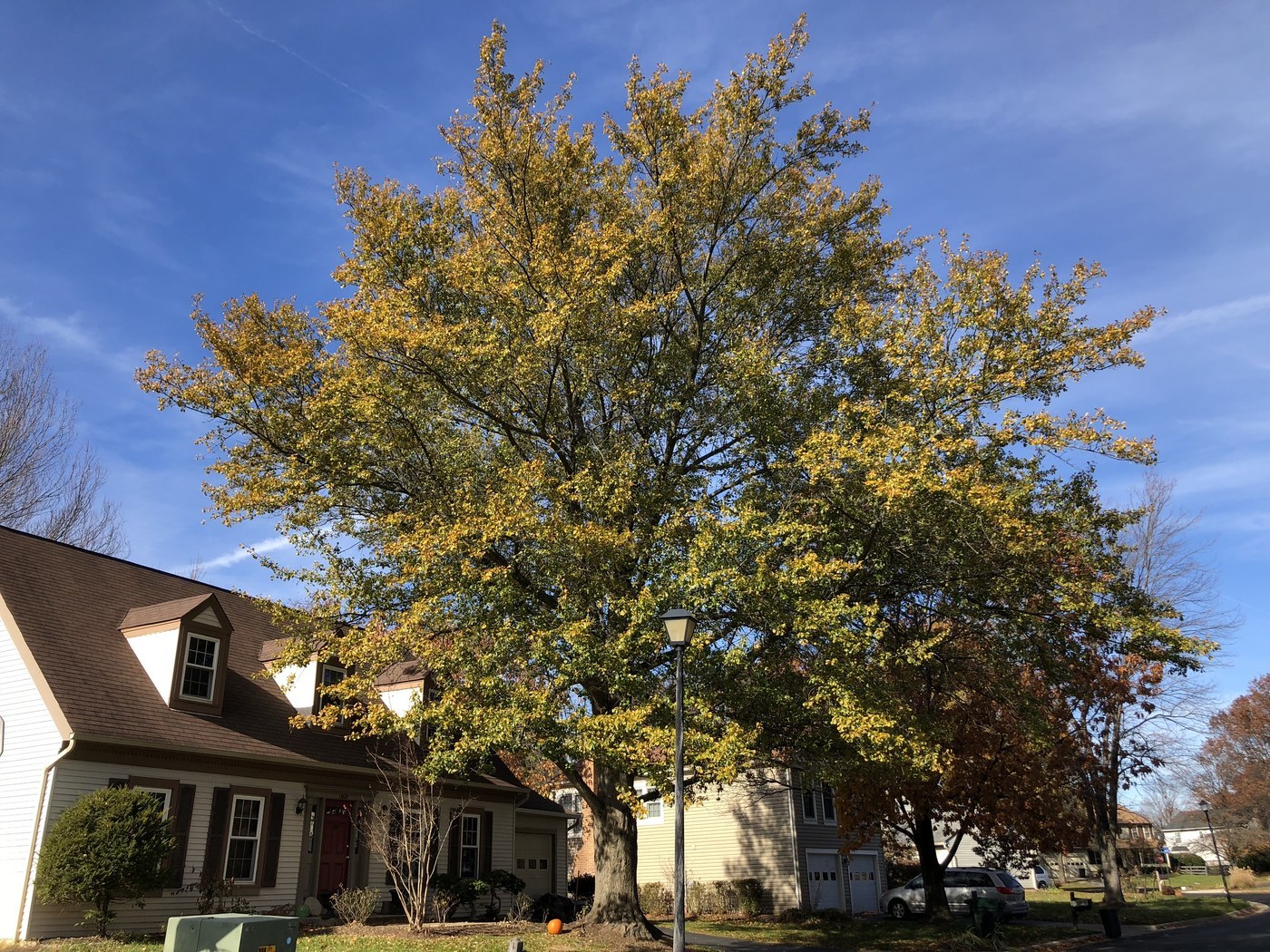
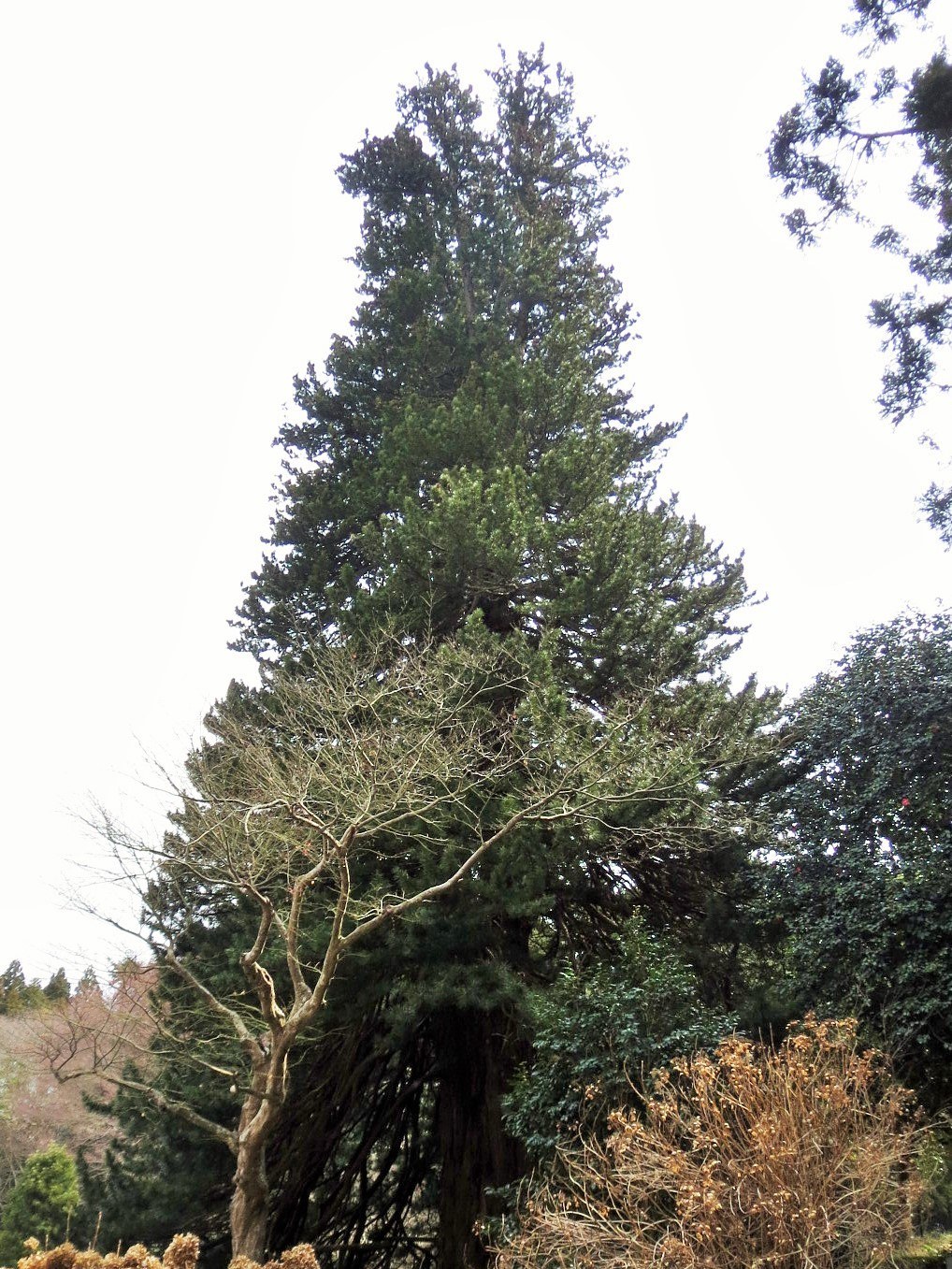
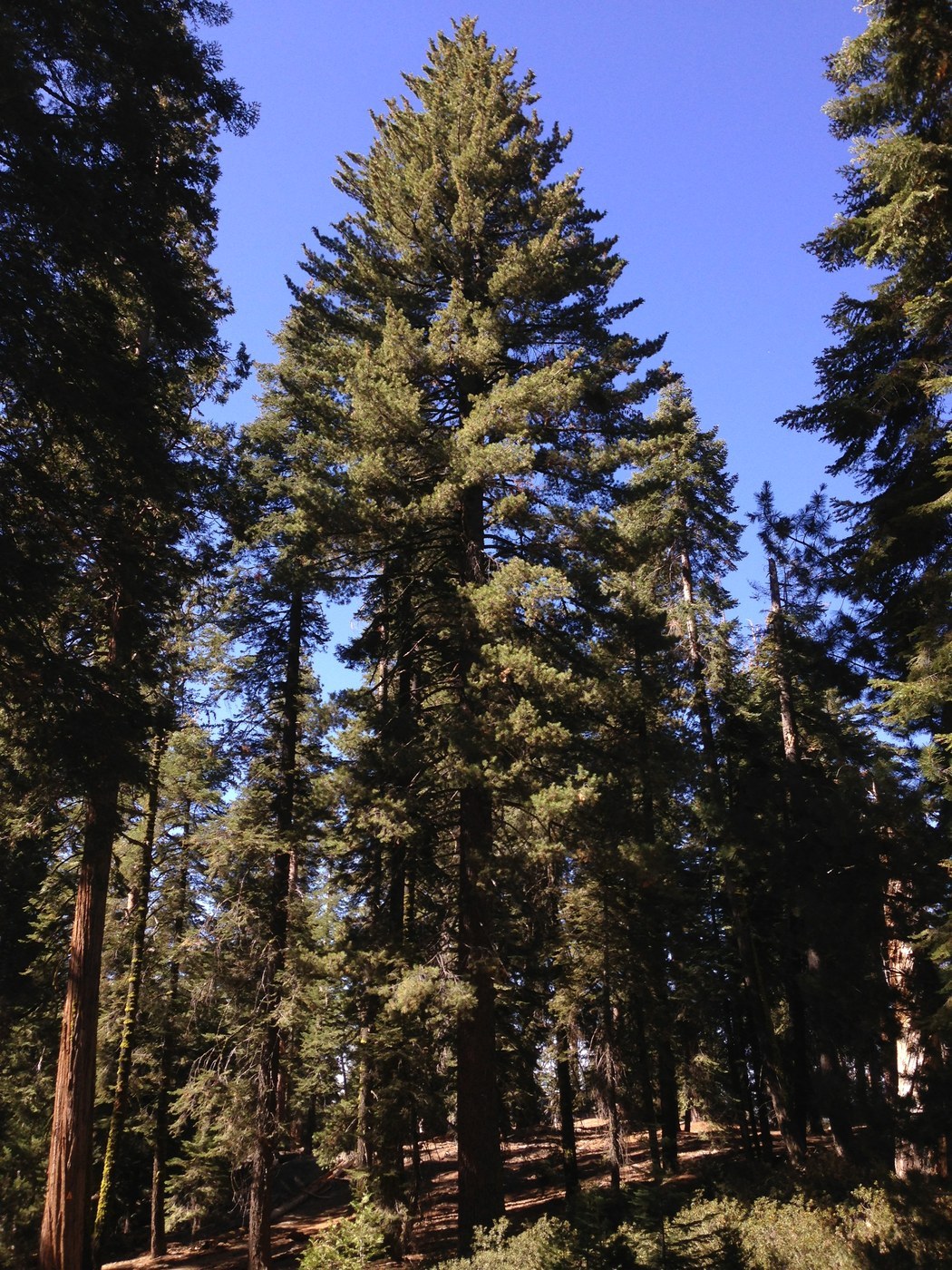
- Size & habit: 50–80 ft tall with a broad, rounded crown.
Care & growing
Bitternut hickory grows in full sun and tolerates a wide range of soils, including moist and periodically wet sites.
- Water: Prefers moist, fertile bottomland soils but adapts to drier uplands.
- Soil: Deep, rich loams are ideal; tolerates clay and moderately wet ground.
- Temperature: Hardy in USDA zones 4–9.
- Feeding: Generally unnecessary in native soils.
- Propagation: From stratified seed; like other hickories it forms a deep taproot, so transplant when young. Foliage and roots release juglone, which can inhibit nearby plants.
Habitat & origin
Native across eastern North America, from Quebec and Maine west to Minnesota and south to Texas and Florida — the broadest range of any true hickory.
It favors moist bottomlands, low woods, and stream terraces but also grows on drier slopes. It is a common component of mixed hardwood forests and is sometimes planted as a shade tree.
Frequently asked questions
How can I tell bitternut hickory apart from other hickories?
Look for its bright sulfur-yellow buds, the most distinctive feature of any native hickory, plus its slender leaflets (usually 9) and non-shaggy bark.
Is bitternut hickory good firewood?
Yes. Like other hickories it is a dense hardwood that burns hot and long, making it good firewood.
Where does bitternut hickory grow?
It has the broadest range of any native hickory, spanning eastern North America from Quebec to Texas and Florida, favoring moist bottomlands and stream terraces but also drier slopes.
How big does bitternut hickory get?
It is a large tree, typically 50 to 80 feet tall, with a broad, rounded crown and pinnately compound leaves usually bearing nine slender leaflets.
Bitternut Hickory guides
In-depth guides for identifying, growing, and caring for Bitternut Hickory.
How to Care for Bitternut Hickory
Bitternut Hickory (Carya cordiformis) is a fast-growing native shade tree for full sun and moist soils, known for bright yellow winter buds.
Bitternut Hickory Identification Guide
How to identify Bitternut Hickory (Carya cordiformis) by its unmistakable sulfur-yellow buds, slender compound leaves, and small thin-husked nuts.
Bitternut Hickory identified by the community
Real specimens identified with Plant Identifier.