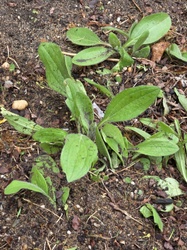
How to Care for Black-Eyed Susan
Growing guide for Black-Eyed Susan (Rudbeckia hirta), a cheerful, drought-tolerant sun perennial with golden daisy-like blooms.
Read the full Black-Eyed Susan encyclopedia entry →
Black-Eyed Susan (Rudbeckia hirta) is a beloved North American wildflower prized for its golden-yellow, daisy-like petals surrounding a dark chocolate-brown central cone. Easy, sun-loving, and drought tolerant once established, it is one of the most rewarding plants for a low-maintenance sunny border or meadow.
Light
Grow Black-Eyed Susan in full sun for the best flowering, aiming for at least 6 hours of direct light daily. It tolerates a bit of light afternoon shade in very hot climates, but too much shade produces leggy, floppy stems and far fewer blooms.
Water
Water is low to moderate. Keep young plants evenly moist while they establish their root systems in the first season. Once established, plants are notably drought tolerant and need only occasional deep watering during extended dry spells. Avoid soggy soil, which invites root and crown rot; let the soil dry somewhat between waterings.
Soil & Potting
This adaptable plant grows in most soils, from average garden loam to clay, provided drainage is reasonable. It prefers a neutral to slightly acidic pH and does not need rich ground. In containers, use a well-draining, general-purpose potting mix and a pot with drainage holes.
Humidity & Temperature
Black-Eyed Susan is hardy and unfussy about humidity, tolerating both humid and dry summers. It thrives in warm-season heat and, depending on the strain, is hardy through cold winters, dying back to the ground and returning in spring. Good air circulation helps prevent foliar disease in humid regions.
Feeding
Feeding needs are modest. A single application of a balanced, all-purpose fertilizer or a top-dressing of compost in spring is plenty. Overfeeding, especially with high-nitrogen fertilizer, encourages lush leaves at the expense of flowers and can make stems flop.
Propagation
Propagate easily from seed, which many strains do prolifically by self-sowing. Sow seed in fall for natural cold stratification, or start indoors in late winter and transplant after frost. Perennial clumps can also be divided in early spring or fall to rejuvenate older plants and expand your planting.
Repotting / Pruning
Deadhead spent flowers through the season to prolong blooming and keep plants tidy, or leave some seed heads standing to self-sow and feed birds. Cut back the foliage after it dies down in late fall or leave it for winter interest and trim in early spring. Divide crowded clumps every few years to maintain vigor.
Common Problems & Pests
Generally trouble-free, Black-Eyed Susan can develop powdery mildew, leaf spot, or downy mildew in humid, crowded conditions; improve spacing and airflow and water at the base rather than overhead. Aphids and slugs occasionally appear but rarely cause serious damage. Overly rich or wet soil is the most common cause of weak, disease-prone plants.
Seasonal Care Tips
Plant in spring after frost or in early fall. Expect a long bloom season from mid-summer into autumn. Deadhead through summer to extend flowering, ease off watering as plants establish, and cut back or tidy in late fall. In spring, divide crowded clumps and refresh with a light feeding.
Frequently asked questions
How much sun does Black-Eyed Susan need?
Full sun, at least 6 hours daily, gives the most blooms. It tolerates light afternoon shade in hot climates, but heavy shade causes leggy stems and sparse flowering.
How often should I water Black-Eyed Susan?
Keep young plants evenly moist while establishing. Once established they are drought tolerant and need only occasional deep watering during dry spells. Avoid soggy soil.
Should I deadhead Black-Eyed Susan?
Yes, deadheading spent blooms prolongs flowering and keeps plants tidy. Leave some seed heads late in the season if you want self-sowing or winter interest.
How do I propagate Black-Eyed Susan?
Grow from seed sown in fall or started indoors in late winter, or divide established perennial clumps in early spring or fall to expand your planting.
Why is my Black-Eyed Susan flopping with few flowers?
Usually too much shade or over-fertilizing with nitrogen. Move it to full sun and feed only lightly to encourage sturdy stems and abundant blooms.
Black-Eyed Susan identified by the community
Recent Black-Eyed Susan specimens identified with Plant Identifier.