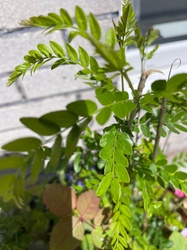
How to Care for Black Locust
Grow Robinia pseudoacacia in full sun with minimal care; this tough, fast-growing tree thrives in poor soil and drought.
Read the full Black Locust encyclopedia entry →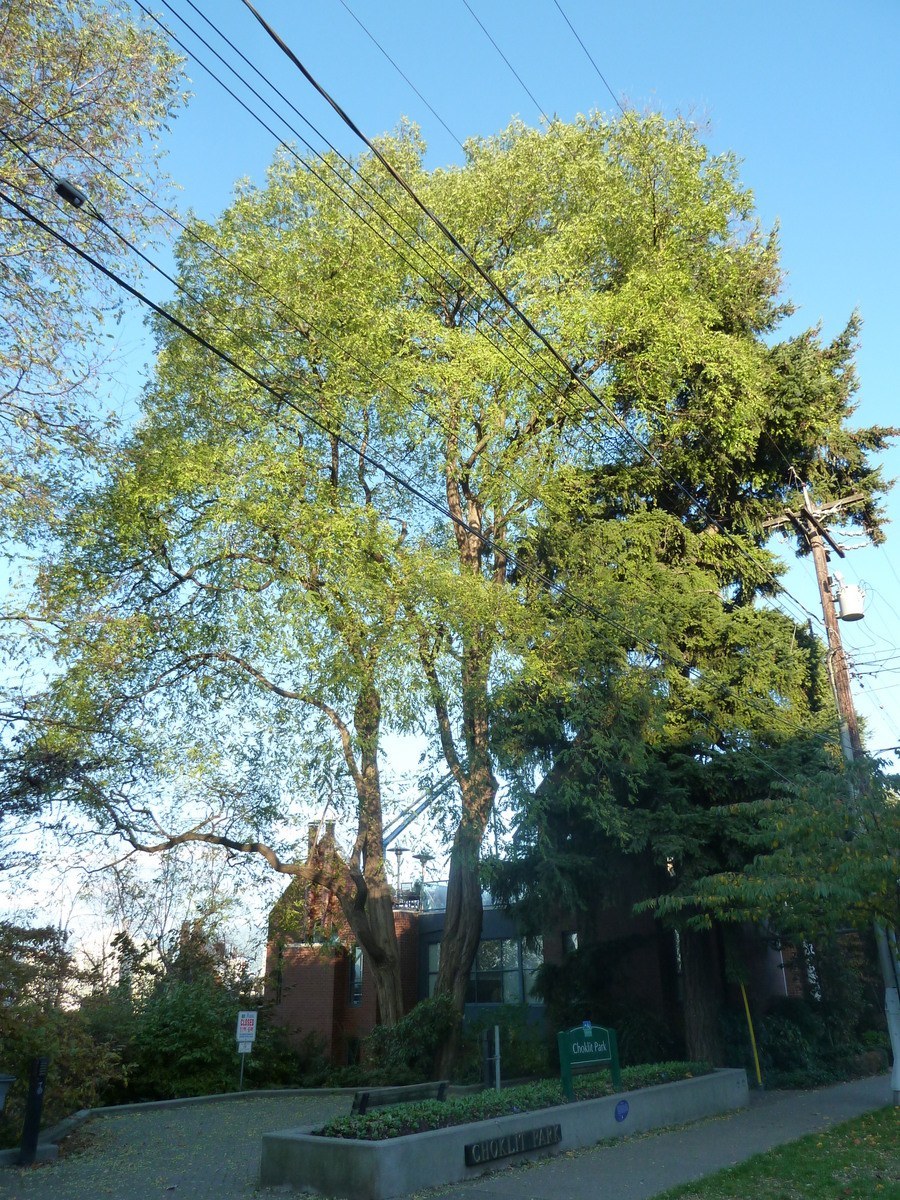
Black locust (Robinia pseudoacacia) is a fast-growing, tough deciduous tree with fragrant hanging clusters of white blooms in late spring and lacy, compound foliage. Exceptionally adaptable and undemanding, it thrives in difficult sites where many trees struggle, making it an easy grower for challenging landscapes.
Light
Plant in full sun. Black locust is a pioneer species that demands plenty of direct light for strong, upright growth and abundant flowering. It tolerates little shade and will grow thin and leggy in low light. An open, sunny site produces the healthiest, most vigorous tree.
Water
Water regularly during the first year or two to establish deep roots. Once established, black locust is notably drought-tolerant and rarely needs supplemental watering. It handles dry, poor conditions with ease. Avoid overwatering or planting in constantly wet ground, which it dislikes.
Soil & Potting
Highly adaptable to soil, black locust grows in poor, sandy, rocky, or compacted ground and tolerates a wide pH range. As a legume, it fixes nitrogen and can improve depleted soils. It prefers well-drained sites and dislikes waterlogged conditions. No special amendment is needed at planting.
Humidity & Temperature
A hardy, cold-tolerant tree that withstands harsh winters, hot summers, wind, and urban pollution. It adapts to a broad range of climates and humidity levels. Its toughness and resilience are among its greatest assets, though brittle wood can be damaged in severe storms.
Feeding
Black locust needs little to no fertilizer. As a nitrogen-fixing legume, it supplies much of its own nitrogen and thrives even in lean soil. Excess feeding promotes fast, weak growth that is prone to breakage. In most settings, no supplemental feeding is necessary.
Propagation
Propagate from seed, which benefits from scarification to break the hard coat before sowing. It also spreads readily by root suckers, which can be dug and transplanted, and root cuttings root easily. Its vigorous suckering means it can spread aggressively if not managed.
Repotting / Pruning
Prune in late winter while dormant to remove dead, damaged, or crossing branches and to establish a strong central structure, which helps counter its tendency toward brittle, weak crotches. Remove unwanted suckers promptly to control spread. Young trees benefit from formative pruning to a single sturdy leader.
Common Problems & Pests
Locust borer is a serious pest, tunneling into trunks and weakening the wood. Locust leafminer causes brown, skeletonized foliage by late summer. The wood is naturally brittle and prone to storm breakage. Vigorous suckering and self-seeding can make it invasive in some regions, so site it thoughtfully.
Seasonal Care Tips
In spring, enjoy the fragrant blooms and watch for leafminer damage. Through summer, established trees need little care beyond monitoring for pests. Prune in late winter dormancy for structure. Remove root suckers whenever they appear to keep the tree from colonizing surrounding areas.
Frequently asked questions
How fast does black locust grow?
Very fast, often several feet per year when young. This rapid growth makes it useful for quick shade or reclaiming poor land, but the resulting wood can be brittle and storm-prone.
Does black locust need fertilizer?
Rarely. As a nitrogen-fixing legume it enriches its own soil and thrives in lean ground. Extra feeding just produces weak, fast growth, so it is best left largely unfertilized.
How do I stop black locust from spreading?
It spreads by root suckers and seed. Remove suckers as soon as they appear, and consider its aggressive habit before planting near lawns or beds where spread is unwanted.
Why are the leaves turning brown in late summer?
Locust leafminer commonly skeletonizes the foliage brown by late summer. It looks unsightly but rarely kills established trees, which leaf out normally the following spring.
Black Locust identified by the community
Recent Black Locust specimens identified with Plant Identifier.