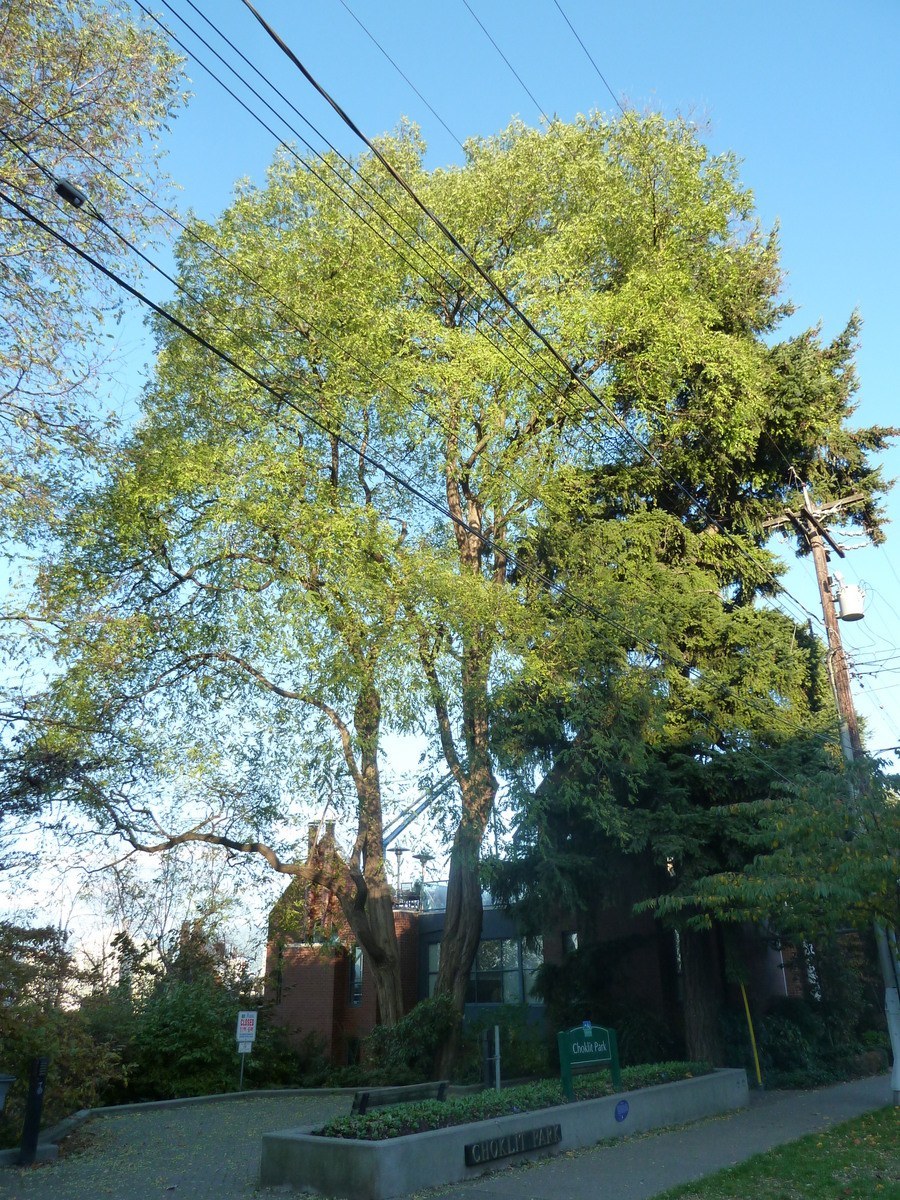
Black Locust
Robinia pseudoacacia
Black locust is a fast-growing deciduous tree with fragrant white spring flowers and extremely hard, rot-resistant wood. A nitrogen-fixing legume, it is valued for timber and erosion control but can be invasive.
- Light
- Full sun
- Water
- Drought-tolerant once established
- Difficulty
- Easy
Got a plant like this?
Identify any plant from a photo, free.
Overview
Black locust is a medium to large deciduous tree in the pea family, native to the eastern United States. As a legume, it fixes nitrogen through its roots, allowing it to thrive on poor soils and improve them.
In late spring it produces abundant, fragrant, drooping clusters of white pea-like flowers that are highly attractive to bees. Its wood is exceptionally hard, dense and naturally rot-resistant, making it valuable for fence posts and outdoor uses.
Black locust grows rapidly and spreads aggressively by root suckers and seed, which has made it invasive in many regions outside its native range.
How to identify it
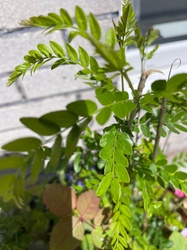
- Leaves: Pinnately compound, with 7–21 oval leaflets per leaf; bright green, often folding at night
- Flowers: Showy, fragrant, drooping clusters (racemes) of white pea-like flowers in late spring
- Thorns: Pairs of sharp spines at the base of leaves, especially on young growth and suckers
- Bark: Deeply furrowed, ridged, grey-brown bark on mature trunks
- Seed pods: Flat, smooth, dark brown pods 5–10 cm long, persisting into winter
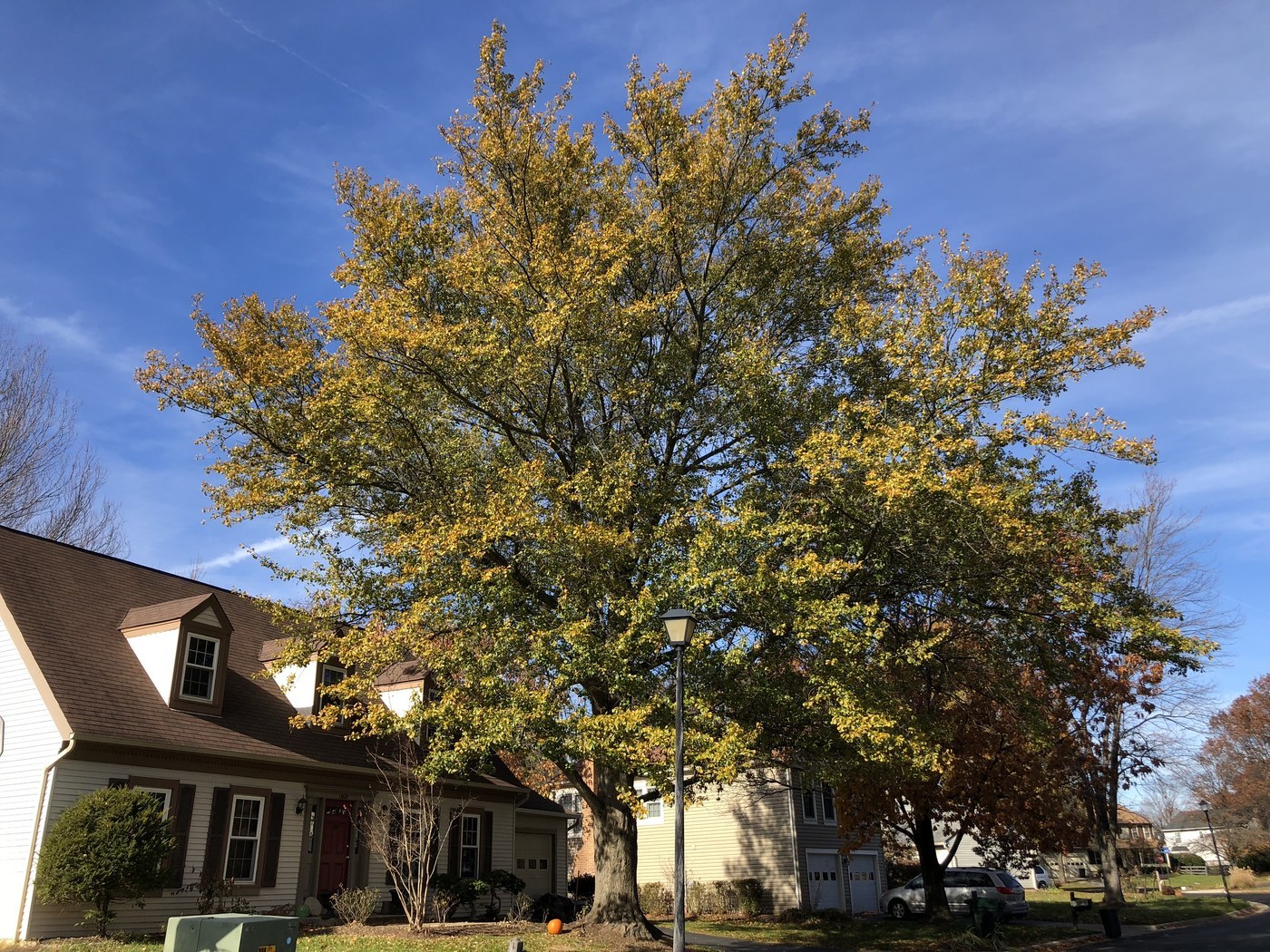
- Size: Typically 12–25 m (40–80 ft) tall
- Habit: Upright, often irregular crown; suckers freely from roots
Care & growing
Light: Full sun; intolerant of shade.
Water: Drought-tolerant once established; adaptable to dry conditions.
Soil: Extremely adaptable, tolerating poor, dry, sandy and disturbed soils; as a nitrogen-fixer it improves infertile ground. Avoid permanently wet sites.
Temperature: Very hardy and adaptable across USDA zones 3–8.
Feeding: Not needed; it fixes its own nitrogen.
Management: Suckers vigorously and self-seeds, so it can spread aggressively. Site carefully and be prepared to manage suckers; check local invasive-species guidance.
Propagation: From seed (which benefits from scarification), root suckers or cuttings.
Habitat & origin
Robinia pseudoacacia is native to a relatively small area of the southeastern and central United States, particularly the Appalachian and Ozark regions, where it grows in woodlands and on disturbed ground.
Because of its fast growth, hardy nature and useful wood, it has been planted worldwide and has naturalized widely across North America, Europe and Asia. In many of these areas it is now considered invasive, spreading aggressively into grasslands and open woodland.
Frequently asked questions
Why is black locust considered invasive?
It grows fast, fixes nitrogen, seeds prolifically and spreads aggressively by root suckers, allowing it to colonize and dominate grasslands and open woodlands far beyond its native range.
What makes black locust wood so valued?
Its wood is extremely hard, dense and naturally rot-resistant, lasting for decades in the ground without treatment — ideal for fence posts, decking and outdoor projects, and it makes excellent firewood.
How can I recognize black locust?
Look for pinnately compound leaves with 7–21 leaflets, paired spines at the leaf bases, deeply furrowed grey-brown bark, and drooping clusters of white pea-like flowers in late spring.
Is black locust good for pollinators?
Yes. Its abundant, fragrant late-spring flower clusters are very attractive to bees and other pollinators.
Black Locust guides
In-depth guides for identifying, growing, and caring for Black Locust.
How to Care for Black Locust
Grow Robinia pseudoacacia in full sun with minimal care; this tough, fast-growing tree thrives in poor soil and drought.
Black Locust Identification Guide
Identify black locust by its paired thorns, pinnately compound leaves, fragrant white pea-like flower clusters, and flat seed pods. Includes how to separate it from honey locust and other compound-leaved trees.
Black Locust identified by the community
Real specimens identified with Plant Identifier.