Black Locust Identification Guide
Identify black locust by its paired thorns, pinnately compound leaves, fragrant white pea-like flower clusters, and flat seed pods. Includes how to separate it from honey locust and other compound-leaved trees.
Read the full Black Locust encyclopedia entry →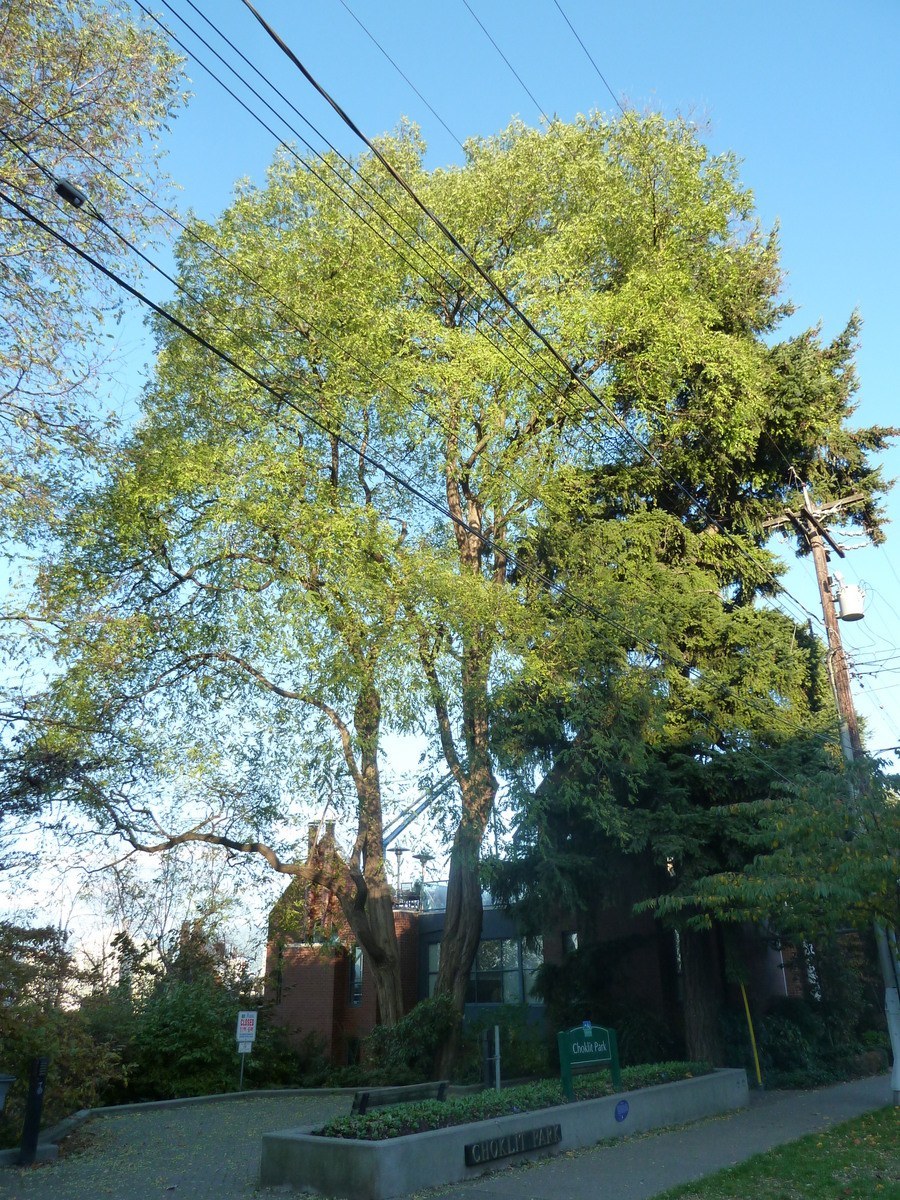
Key Identifying Features
Black locust (Robinia pseudoacacia) is a fast-growing deciduous tree in the pea family. Identify it by the pair of short, stout thorns at each leaf node, the pinnately compound leaves with many small oval leaflets, the drooping clusters of fragrant white pea-flowers in late spring, and the flat brown seed pods that hang on into winter.
- Paired spines at the base of each leaf (at the nodes)
- Pinnately compound leaves with 7 to 19 oval leaflets
- Hanging clusters of white, fragrant, pea-like flowers
- Flat, smooth brown pods, 5 to 10 cm long
Leaves & Stems
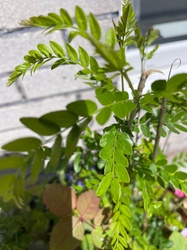
Leaves are alternate and pinnately compound, 20 to 35 cm long, each carrying 7 to 19 thin, oval, untoothed leaflets that are blue-green above and paler below, with a tiny bristle tip. Leaflets often fold up at night and in heat. At the base of each leaf sit two sharp, stout thorns (modified stipules), a key field mark. Bark on mature trees is thick, deeply furrowed into rope-like interlacing ridges, dark grey-brown. Young twigs are brittle and zigzag slightly.
Flowers & Fruit
In late spring, black locust produces abundant, drooping racemes of white flowers with the classic pea-family shape (a banner, two wings, and a keel), intensely fragrant and beloved by bees. After flowering, it forms flat, smooth, reddish-brown to dark pods 5 to 10 cm long, each holding several hard seeds. The pods persist through autumn and winter, splitting open and rattling on bare branches, an easy off-season identifier.
How to Tell It Apart from Look-Alikes
- Honey locust (Gleditsia triacanthos): has large branched thorns on the trunk (not neat pairs at nodes), bipinnate or finer compound leaves, and long twisted pods; flowers are inconspicuous greenish, not showy white.
- Black walnut and ash: compound leaves but no paired spines, different bark, and no pea-flowers/pods.
- Bristly locust (Robinia hispida): a shrubby relative with pink flowers and bristly stems.
The neat paired thorns at the nodes plus white pea-flowers plus flat pods separate black locust from honey locust and other compound-leaved trees.
Where You'll Find It
Black locust is native to the eastern and central United States but has spread widely and become invasive in many temperate regions worldwide. It thrives in disturbed ground, roadsides, old fields, and forest edges, fixing nitrogen and suckering aggressively to form thickets. It tolerates poor, dry soils and full sun, and its rot-resistant wood is prized for fence posts.
Quick ID Checklist
- Two sharp thorns at the base of each leaf
- Pinnately compound leaves with 7 to 19 oval leaflets
- Hanging clusters of fragrant white pea-flowers
- Flat smooth brown pods persisting into winter
- Deeply furrowed, rope-like dark bark
- Fast-growing, suckering, often on disturbed ground
Frequently asked questions
How do I tell black locust from honey locust?
Black locust has neat paired thorns at each leaf node and showy fragrant white flowers with short flat pods. Honey locust has large branched thorns on the trunk, tiny greenish flowers, and long twisted pods.
What are the thorns on black locust like?
Black locust bears two short but sharp thorns at the base of each leaf, formed from modified stipules. These neat paired thorns at the nodes are one of the most reliable features for identifying the tree.
When does black locust flower?
In late spring it produces abundant drooping clusters of fragrant white pea-like flowers. These showy, bee-attracting blooms are one of the easiest ways to identify the tree.
Why is black locust often growing in thickets?
It spreads aggressively by root suckers and seeds, forming dense colonies on disturbed ground. This suckering, thicket-forming habit, plus nitrogen fixation, makes it invasive in many regions.
Black Locust identified by the community
Recent Black Locust specimens identified with Plant Identifier.