How to Care for Bradford Pear
The Bradford Pear is an easy, fast-growing ornamental tree for full sun, valued for spring flowers and fall color but prone to weak branch structure.
Read the full Bradford Pear encyclopedia entry →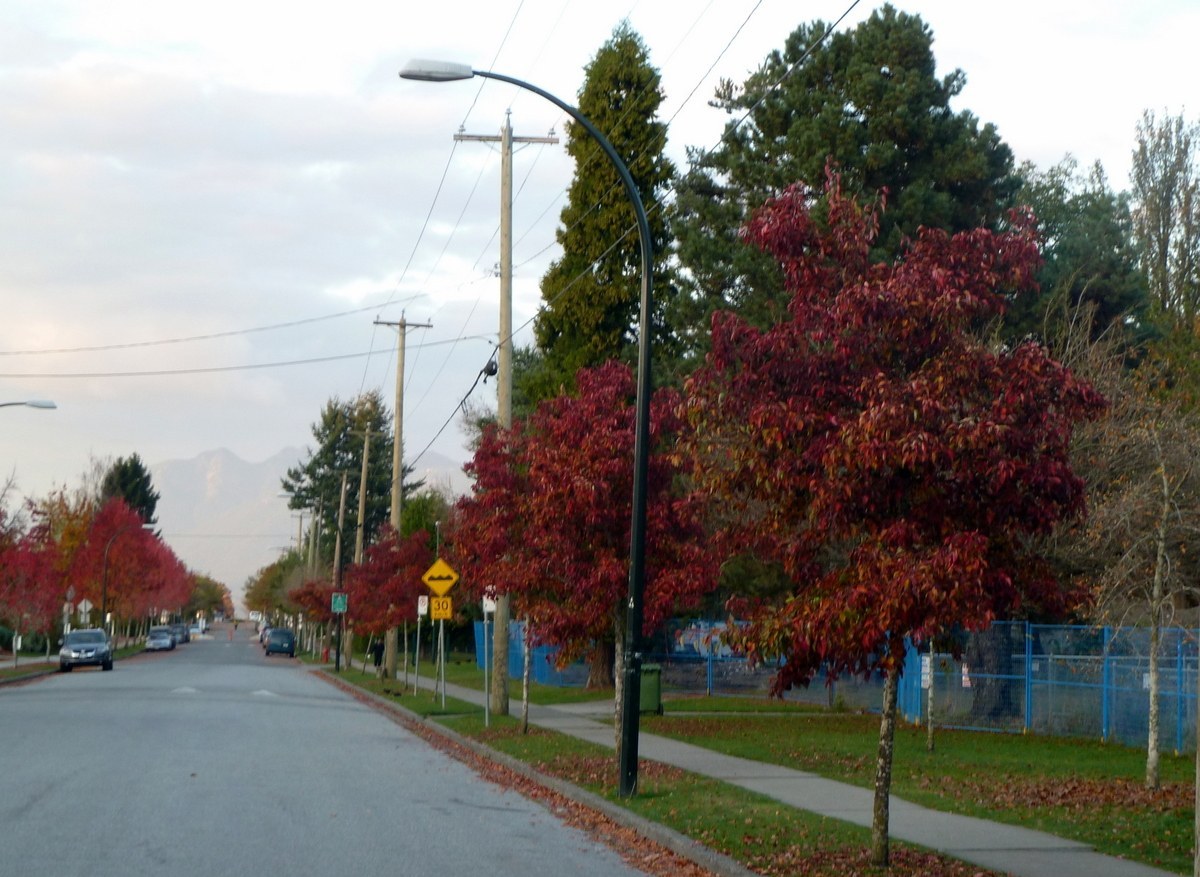
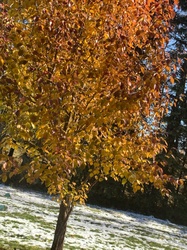
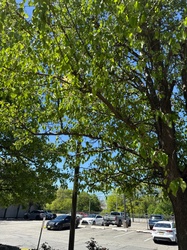
The Bradford Pear (a cultivar of Pyrus calleryana) is a fast-growing ornamental tree known for its dense white spring flowers, glossy summer foliage, and reddish-purple fall color. It is very easy to grow and adaptable, though its notoriously weak branch structure means it needs early pruning to prevent storm breakage. Note that Callery pear is considered invasive in many regions, so check local guidance before planting.
Light
Full sun is ideal for the best flowering, dense canopy, and vivid fall color. The tree tolerates partial shade but grows more open and blooms less. Plant it where it receives at least six hours of direct sun.
Water
Water weekly during establishment; once established, the Bradford pear is quite drought tolerant. Give young trees regular deep soakings through their first year or two, then reduce to occasional deep watering during extended dry spells. It adapts to a wide range of moisture conditions but appreciates well-drained soil.
Soil & Potting
Highly adaptable to soil, tolerating clay, sandy, acidic, and alkaline conditions as well as compacted urban sites. It prefers a moist, well-drained loam but forgives poor soils, which is part of its popularity as a street tree. Mulch the root zone to conserve moisture and moderate soil temperature.
Humidity & Temperature
A hardy temperate tree suited roughly to USDA zones 5 through 9. It tolerates heat, cold, and urban pollution well. Humidity is not a concern. Its main vulnerability is not climate but structure: heavy snow, ice, or wind can split the tightly angled branches.
Feeding
Rarely needs feeding in average soil. For young trees, a light spring application of balanced fertilizer supports establishment. Avoid excessive nitrogen, which fuels the weak, fast growth that makes the tree prone to breakage. An annual layer of mulch or compost is usually enough.
Propagation
Callery pear cultivars are propagated by grafting or budding onto rootstock, since they do not come true from seed. Home propagation is uncommon. Because it can cross-pollinate and spread aggressively by seed in some areas, many gardeners are now removing rather than propagating it.
Repotting / Pruning
Structural pruning is the most important task. The classic flaw of Bradford pear is narrow, upright branch crotches that trap bark and split under load. Prune young trees to develop wider branch angles and a single dominant leader, removing competing co-dominant stems and crowded interior branches. Prune in late winter while dormant. This is a landscape tree, not a container plant, so repotting does not apply.
Common Problems & Pests
The signature problem is limb and trunk splitting from weak crotch angles, often striking mature trees in storms. Fire blight, a bacterial disease causing blackened, wilted shoot tips, can affect Callery pears. It is otherwise resistant to most pests. Watch also for the tree's tendency to sucker and to spread by seed into surrounding areas.
Seasonal Care Tips
In early spring, enjoy the abundant white bloom; note the flowers have a strong scent many find unpleasant. In late winter, do structural pruning to strengthen the canopy before growth resumes. In summer, monitor for fire blight and remove affected shoots. In autumn, enjoy the reddish fall color and refresh mulch; inspect for weak limbs before winter storms.
Frequently asked questions
Why do Bradford pears split apart?
They form narrow, upright branch angles with included bark, creating weak junctions that split under the weight of foliage, wind, snow, or ice. Early structural pruning to widen branch angles and remove co-dominant stems reduces the risk.
Is the Bradford pear considered invasive?
In many regions, yes. Callery pear cultivars cross-pollinate and spread by seed into natural areas, so several areas discourage or restrict planting it. Check local guidance and consider alternatives before planting.
How much sun does a Bradford pear need?
Full sun, at least six hours daily, gives the best flowering, densest canopy, and strongest fall color. It tolerates partial shade but performs less well.
How do I prune a Bradford pear to make it stronger?
Prune young trees in late winter to establish a single dominant leader and encourage wide-angled branches. Remove competing upright stems and crowded interior wood to reduce the weak crotches that cause splitting.
Bradford Pear identified by the community
Recent Bradford Pear specimens identified with Plant Identifier.