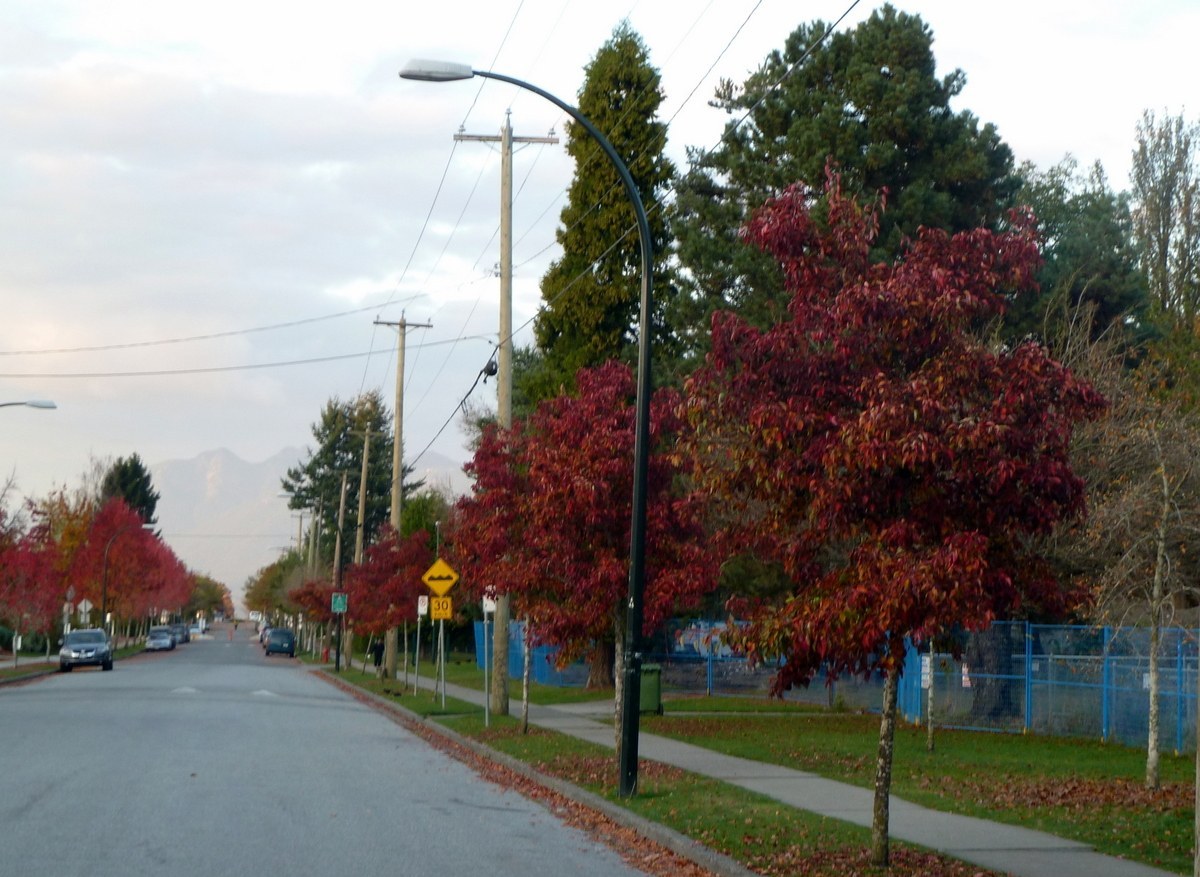
Bradford Pear
Pyrus calleryana
Bradford pear is a fast-growing ornamental cultivar of Callery pear known for a uniform teardrop shape and clouds of white spring flowers. It is now widely regarded as an invasive species with notoriously weak, breakage-prone branching.
- Light
- Full sun
- Water
- Weekly; drought-tolerant once established
- Difficulty
- Easy
Got a plant like this?
Identify any plant from a photo, free.
Overview
Bradford pear is the best-known cultivar of Callery pear (Pyrus calleryana), a deciduous flowering tree introduced from China that became one of the most planted street trees of the late 20th century. It offers profuse white spring bloom, glossy summer leaves, and reliable red-purple fall color.
Despite its ornamental appeal, 'Bradford' has fallen out of favor: its tight branch crotches make it structurally weak and prone to splitting in storms, and cross-pollination among cultivars has produced thorny, fast-spreading wild seedlings. Callery pear is now listed as invasive and banned for sale in several U.S. states.
How to identify it
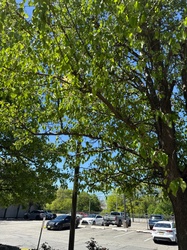
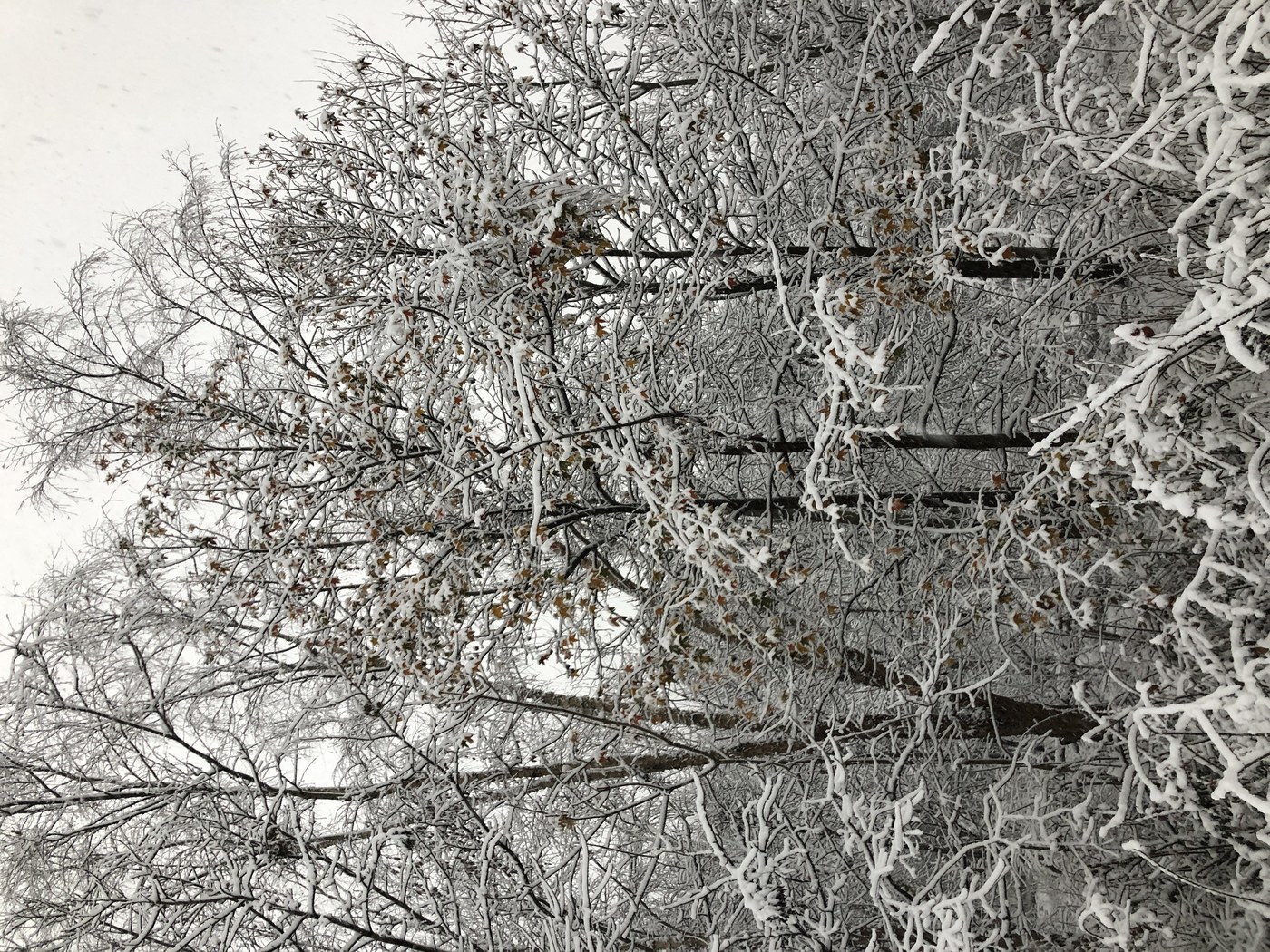
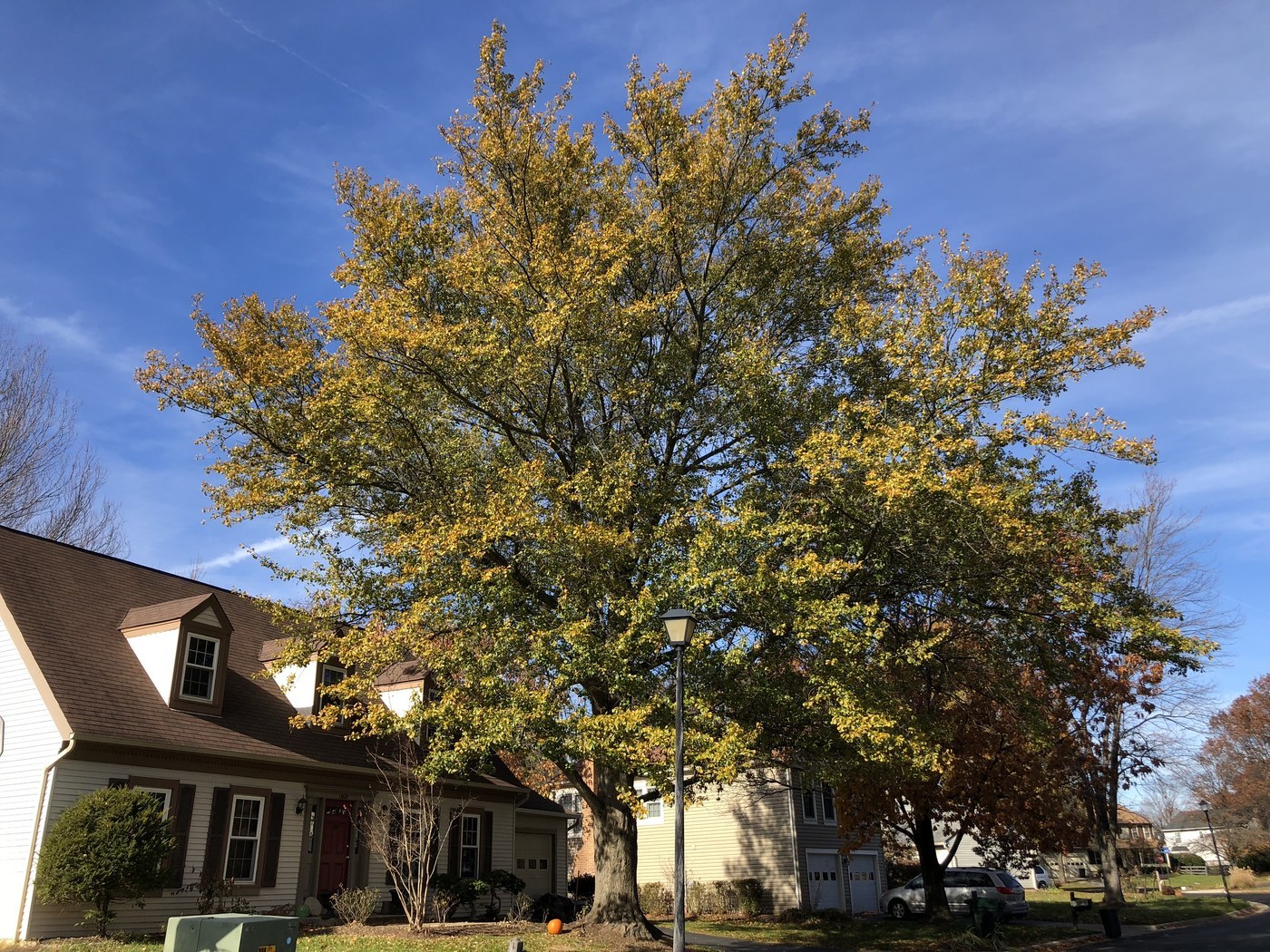
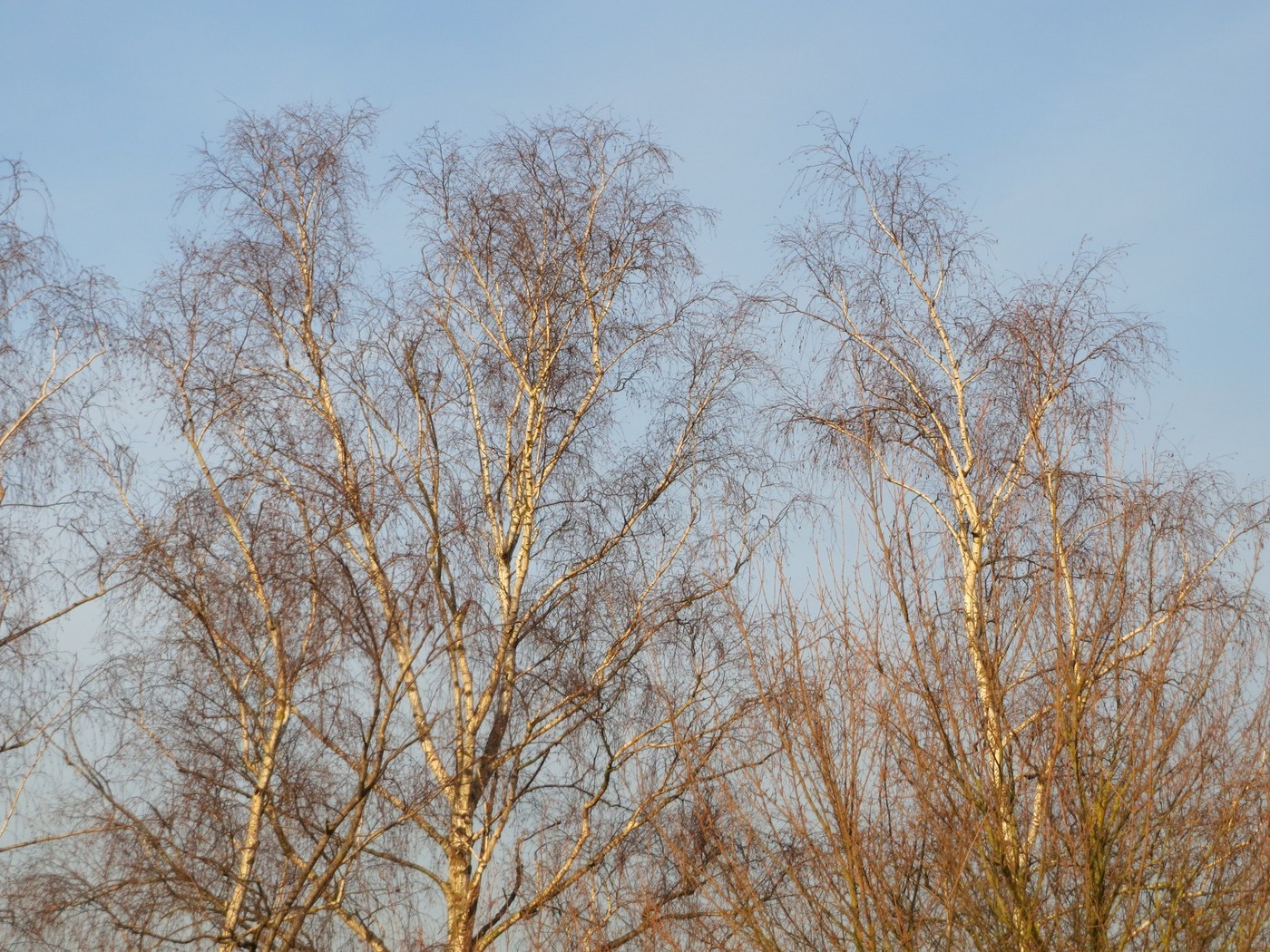
- Habit: Dense, symmetrical teardrop to oval crown, 25-40 ft tall, often with narrow weak branch angles.
- Flowers: Abundant 5-petaled white blossoms in early spring, with a notably unpleasant odor.
- Leaves: Glossy, rounded with wavy margins, dark green turning red to purple in fall.
- Fruit: Tiny (under 1/2 in) hard brown pomes, eaten and spread by birds.
- Wild seedlings: Often bear sharp thorns, unlike the cultivar.
Care & growing
Light: Full sun.
Water: Weekly when young; quite drought-tolerant once established.
Soil: Adapts to almost any soil, including clay and poor urban sites.
Temperature: Hardy USDA zones 5-9.
Feeding: Rarely needed; it grows vigorously on its own.
Note: Because of weak structure and invasiveness, planting is discouraged. Where present, structural pruning of young trees reduces storm breakage. Many regions now recommend removal and replacement with native alternatives such as serviceberry or dogwood.
Habitat & origin
Callery pear is native to China and Vietnam. It was introduced to the United States in the early 20th century, originally for pear rootstock and fire-blight research, and 'Bradford' was released as an ornamental in the 1960s.
It has since escaped cultivation across much of the eastern and central U.S., forming dense thorny thickets in fields, roadsides and disturbed land, displacing native vegetation.
Frequently asked questions
Why are Bradford pears considered bad?
They have structurally weak branching that splits in storms, foul-smelling flowers, and they cross-pollinate to produce invasive, thorny wild seedlings.
Is the Bradford pear invasive?
Yes. Callery pear is now classified as invasive and is banned from sale in several U.S. states.
What should I plant instead?
Native flowering trees such as serviceberry, eastern redbud, fringe tree, or dogwood offer similar beauty without the problems.
Why do the flowers smell bad?
The spring blossoms emit an unpleasant fishy or rotting odor that many people find offensive.
Bradford Pear guides
In-depth guides for identifying, growing, and caring for Bradford Pear.
How to Care for Bradford Pear
The Bradford Pear is an easy, fast-growing ornamental tree for full sun, valued for spring flowers and fall color but prone to weak branch structure.
Bradford Pear Identification Guide
Identify the Bradford callery pear by its dense white spring blossoms, glossy heart-shaped leaves, neat teardrop crown, weak crotch angles, and the unpleasant smell of its flowers.
Bradford Pear identified by the community
Real specimens identified with Plant Identifier.