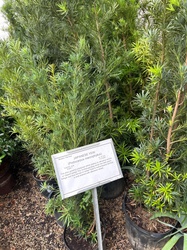
How to Care for Buddhist Pine
Buddhist Pine is an easygoing evergreen with soft needle-like foliage — give it sun to part shade and let topsoil dry slightly.
Read the full Buddhist Pine encyclopedia entry →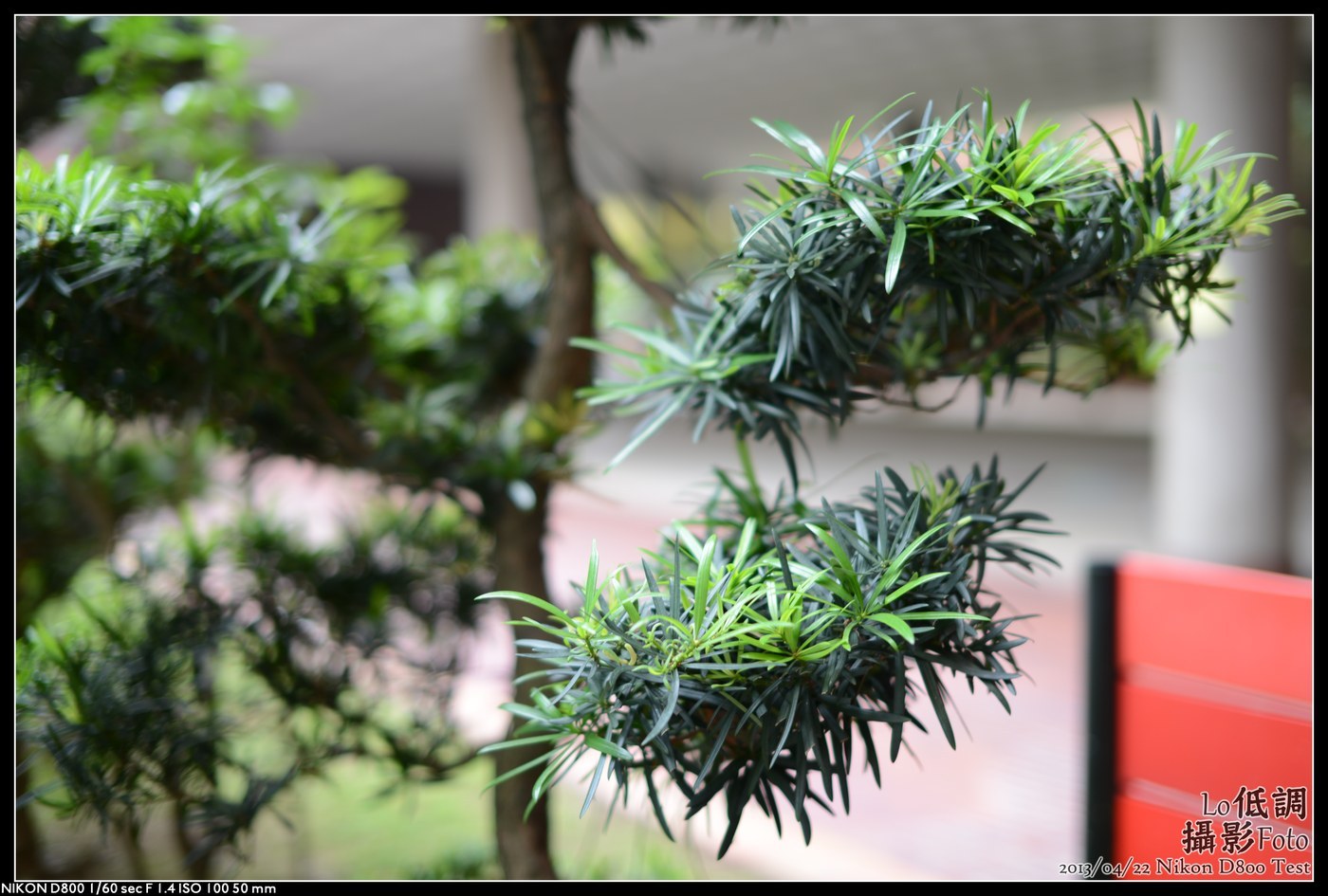
Buddhist Pine (Podocarpus macrophyllus) is a slow-growing evergreen shrub or small tree with soft, glossy, needle-like leaves arranged in dense whorls. Adaptable and forgiving, it works as a specimen shrub, hedge, container plant, or elegant houseplant.
Light
Buddhist Pine grows well in full sun to part shade. Outdoors it takes bright direct light and even coastal exposure; indoors give it the brightest spot available, ideally near a sunny window. It tolerates lower light than many conifers but grows denser and more compact with plenty of light. Rotate potted plants for even, symmetrical growth.
Water
Water moderately, letting the top inch or two of soil dry slightly between waterings. This is a drought-tolerant plant once established and far more forgiving of underwatering than overwatering. Soggy soil leads to root rot, so always let excess drain freely and empty any saucer. Reduce watering in winter when growth slows.
Soil & Potting
Use a well-draining, general-purpose potting mix or loamy garden soil. Podocarpus tolerates a range of soils but resents heavy, waterlogged ground. For containers, add perlite or coarse sand to sharpen drainage. Ensure the pot has ample drainage holes.
Humidity & Temperature
Buddhist Pine prefers warm to mild conditions and average household humidity is fine. It handles some cold but is not fully frost-hardy in exposed situations — protect or bring container plants indoors before hard freezes. Keep it away from cold drafts and blasting heat vents indoors.
Feeding
Feed with a balanced, slow-release or diluted liquid fertilizer during the active growing season, roughly spring through summer. This plant is a light, slow feeder, so avoid overfertilizing. Stop or reduce feeding in autumn and winter when growth naturally slows.
Propagation
Propagate from semi-hardwood cuttings taken in summer. Dip cut ends in rooting hormone and set into a moist, well-draining medium kept warm and humid. Rooting is slow and can take several weeks to months, so patience pays off. Seed propagation is possible but very slow.
Repotting / Pruning
Repot container plants every 2 to 3 years, or when roots fill the pot, moving up one size in spring. Podocarpus tolerates pruning and shearing extremely well, making it a favorite for hedges, topiary, and bonsai. Trim to shape in the growing season; its slow growth means shaping holds for a long time.
Common Problems & Pests
The most common issue is root rot from overwatering — yellowing, dropping needles often signal soggy soil. Watch for scale, mealybugs, and occasionally aphids, especially indoors; wipe or treat infestations early. Sooty mold can follow sap-feeding pests. Good airflow and correct watering prevent most trouble.
Seasonal Care Tips
Spring: repot if needed, resume feeding, and begin regular watering as growth picks up. Summer: main growing and pruning season; water moderately and take cuttings. Fall: reduce feeding and watering. Winter: keep on the dry side, protect from frost, and shield indoor plants from heat sources and cold drafts.
Frequently asked questions
Why are my Buddhist Pine needles turning yellow?
Yellowing, dropping foliage usually points to overwatering and soggy soil. Let the top inch or two dry between waterings, ensure good drainage, and empty any standing water from the saucer.
Can Buddhist Pine grow indoors?
Yes, it makes an excellent houseplant. Give it the brightest spot you can, water moderately, keep it away from cold drafts and heat vents, and rotate it for even growth.
How often should I prune Buddhist Pine?
It tolerates shearing very well and is popular for hedges and bonsai. Trim to shape during the growing season; because it grows slowly, your shaping holds its form for a long time.
Is Buddhist Pine hard to grow?
No — it's considered easy and forgiving. It tolerates sun or part shade, occasional dryness, and pruning. The main thing to avoid is overwatering, which causes root rot.
Buddhist Pine identified by the community
Recent Buddhist Pine specimens identified with Plant Identifier.