How to Care for Centaurea
Grow cornflower (Centaurea cyanus) in full sun for a long flush of true-blue blooms on easy, drought-tolerant annual plants.
Read the full Centaurea encyclopedia entry →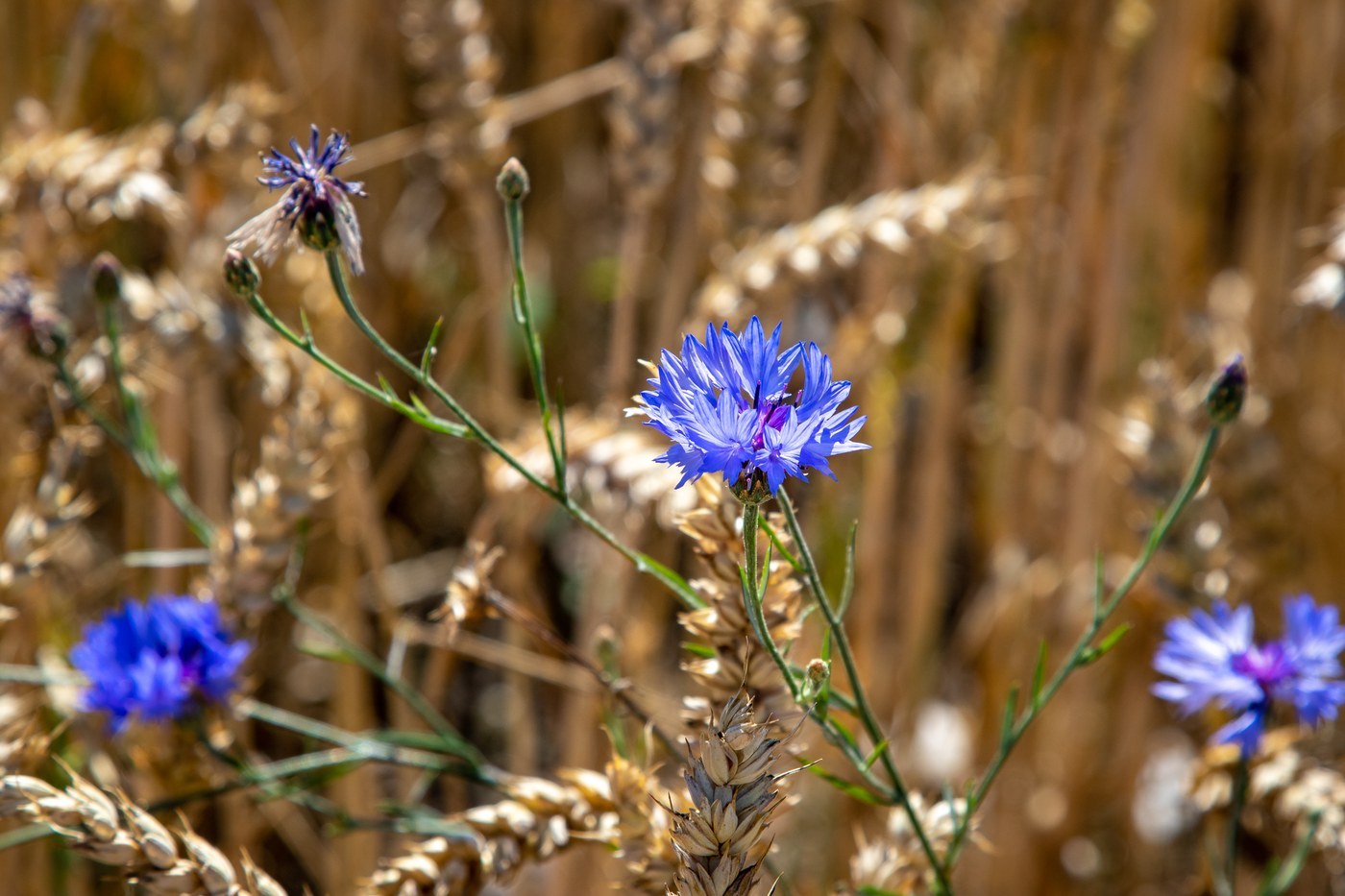
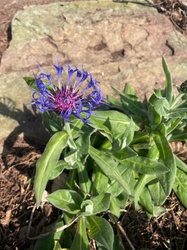
Centaurea cyanus, the cornflower or bachelor's button, is a cheerful hardy annual prized for its intensely blue (also pink, white, and burgundy) fringed flowers on slender gray-green stems. It is one of the easiest cottage-garden flowers to grow and thrives in lean soil and full sun.
Light
Give Centaurea full sun, at least six hours of direct light daily. Plants grown in too much shade become leggy, flop over, and produce far fewer blooms. In hot-summer regions a little afternoon shade can extend the flowering season, but bright light is essential for compact, floriferous growth.
Water
Water moderately. Young seedlings need consistent moisture to establish, but once rooted Centaurea is quite drought-tolerant and dislikes soggy conditions. Let the top inch of soil dry between waterings and avoid overhead watering late in the day to reduce fungal issues. Established plants often coast on natural rainfall.
Soil & Potting
Cornflower performs best in average to poor, well-drained soil with a neutral to slightly alkaline pH. Rich, heavily amended soil produces lush foliage at the expense of flowers and encourages flopping. If growing in containers, use a free-draining potting mix and skip heavy fertilizer. Good drainage is more important than fertility.
Humidity & Temperature
This is a cool-season annual that germinates and grows best in mild temperatures. It tolerates light frost and can be direct-sown in autumn in mild climates or very early spring elsewhere. Flowering slows in intense summer heat and humidity, which can also invite mildew. Average outdoor humidity is fine; good airflow matters more.
Feeding
Centaurea needs little to no feeding. Overly rich conditions lead to floppy, leaf-heavy plants with fewer flowers. If your soil is very poor, a single light application of a balanced fertilizer early in the season is plenty. In average garden soil, skip fertilizer entirely.
Propagation
Grow from seed, which is by far the easiest method. Direct-sow where plants are to grow, since cornflowers resent transplanting and have a taproot. Sow seeds about a quarter-inch deep, keep evenly moist until germination in one to two weeks, and thin seedlings to about 6-9 inches apart. Cornflowers self-seed readily and often return year after year.
Repotting / Pruning
As an annual, Centaurea is not repotted long-term. Pinch young plants when a few inches tall to encourage branching and more blooms. Deadhead spent flowers regularly to prolong the display and prevent premature seed-setting. Cut stems freely for arrangements, which also stimulates fresh flushes. Leave some late flowers to set seed if you want volunteers.
Common Problems & Pests
Aphids are the most common pest, often clustering on new growth and buds; dislodge them with a water spray or treat with insecticidal soap. Powdery mildew can coat leaves in humid or crowded conditions, so space plants for airflow. Tall varieties flop in rich soil or wind and benefit from twiggy support. Root rot occurs only in poorly drained, waterlogged soil.
Seasonal Care Tips
Direct-sow in early spring as soon as soil can be worked, or in autumn in mild-winter zones for an early, robust display. Provide support early for tall types. Deadhead through the flowering season to keep blooms coming. As plants fade in summer heat, either pull them and resow, or let a few go to seed for next year's crop.
Frequently asked questions
Why is my cornflower flopping over?
Flopping is usually caused by soil that is too rich or by too little sun. Grow Centaurea in lean, well-drained soil and full sun, pinch young plants to encourage branching, and stake tall varieties with twiggy supports.
Should I start cornflower seeds indoors or direct-sow?
Direct-sowing is best. Cornflowers form a taproot and resent transplanting, so scatter seeds where they are to grow, in early spring or autumn in mild climates.
Do cornflowers come back every year?
Centaurea cyanus is an annual, but it self-seeds so readily that it often reappears year after year in the same spot. Leave some spent flowers to set seed if you want volunteers.
How do I get more blooms?
Deadhead spent flowers regularly, keep plants in full sun, and avoid over-fertilizing. Frequent cutting for bouquets also encourages fresh flushes of flowers.
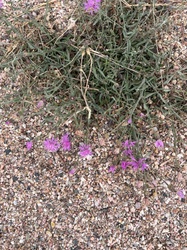
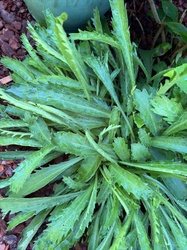
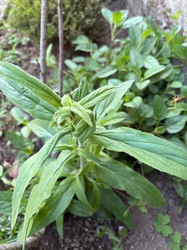
Centaurea identified by the community
Recent Centaurea specimens identified with Plant Identifier.