Centaurea
Centaurea cyanus
Centaurea is a large genus best known for the cornflower, a cheerful annual with intense blue, fringed flowers. Easy and long-blooming, it is a cottage-garden classic beloved by bees and butterflies.
- Light
- Full sun
- Water
- Moderate; drought-tolerant once established
- Difficulty
- Easy
Got a plant like this?
Identify any plant from a photo, free.
Overview
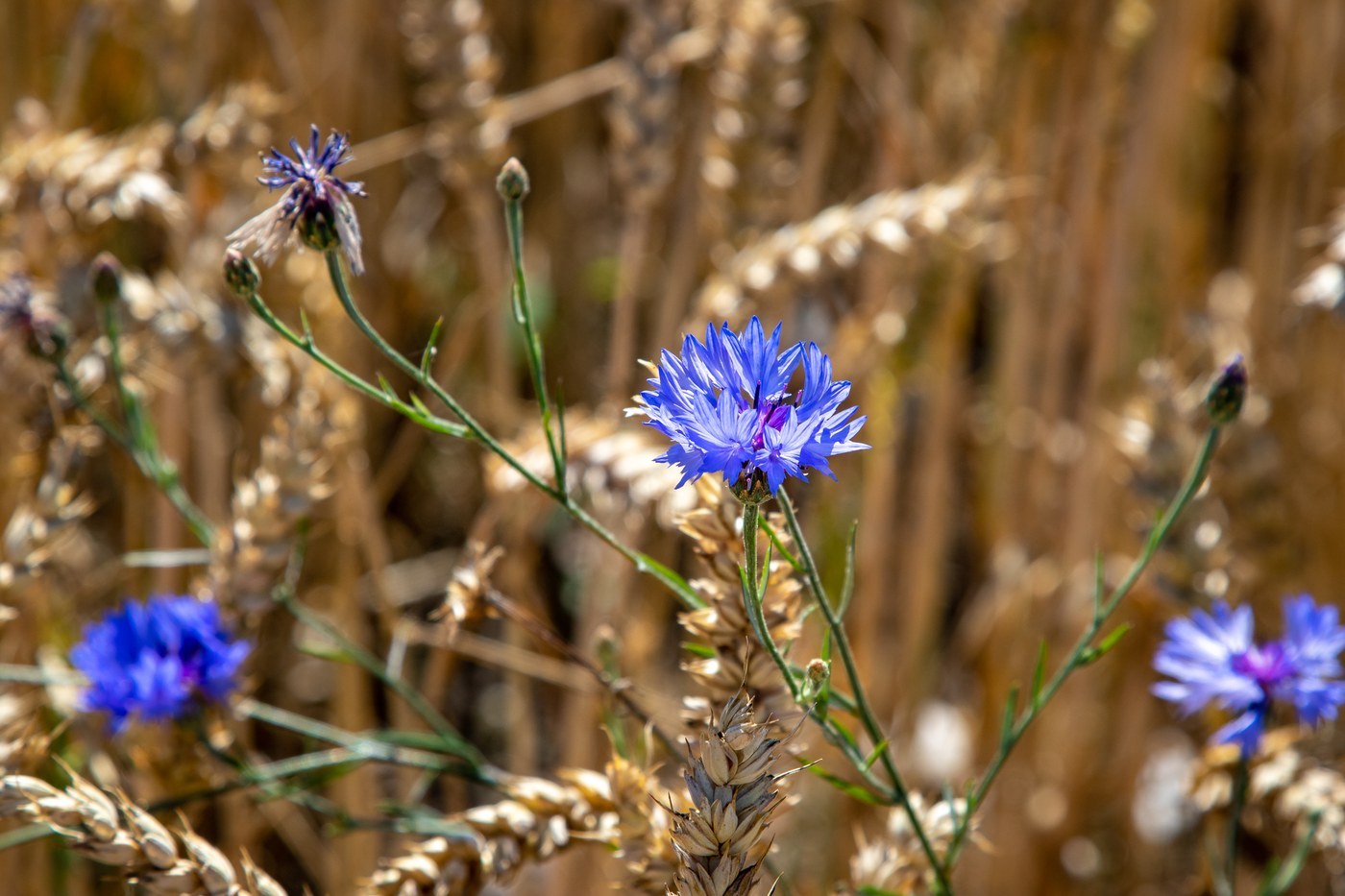
Centaurea is a large genus in the daisy family (Asteraceae) of over 500 species, including cornflowers, knapweeds, and basket flowers. The best-known is the cornflower (Centaurea cyanus), prized for its vivid true-blue, fringed blooms.
Most garden centaureas are easy, sun-loving plants with thistle-like flower heads in blue, purple, pink, yellow, or white. They bloom abundantly over a long season and are exceptionally attractive to pollinators.
From annual cornflowers to perennial mountain bluets (Centaurea montana), the genus offers something for nearly every sunny garden.
How to identify it
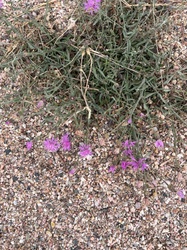
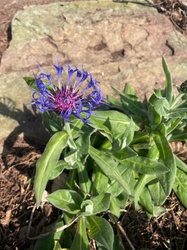
Recognize centaurea by its fringed, thistle-like flower heads.
- Flowers: Rounded heads of tubular florets with frilled, deeply notched outer petals, in blue, purple, pink, yellow, or white
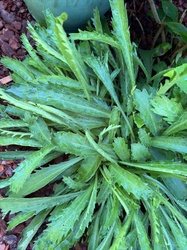
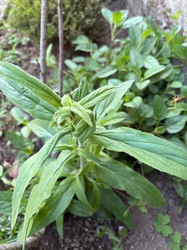
- Leaves: Narrow to lance-shaped, often gray-green and sometimes downy, alternate along the stem
- Size: Ranges from 1 to 3 feet depending on species
- Buds: Distinctive scaly, urn-shaped flower buds (involucres) below the bloom
- Bloom time: Late spring through summer
Care & growing
Among the easiest of cottage-garden flowers.
- Light: Full sun
- Water: Moderate; drought-tolerant once established
- Soil: Average, well-drained soil; tolerates poor and alkaline ground
- Temperature: Annual cornflowers grow in most zones; perennial species are hardy roughly USDA zones 3 to 8
- Feeding: Little needed; overly rich soil causes floppy growth
- Propagation: Seed (annuals self-sow readily) or division for perennial types; deadhead to prolong bloom
Habitat & origin
Centaureas are native largely to Europe, the Mediterranean, and western Asia. The cornflower was once a common weed of European grain fields, hence its name.
They thrive in sunny meadows, cottage gardens, wildflower mixes, and gravel gardens. Cornflowers are widely sown in annual borders and meadow seed mixes worldwide, while perennial bluets are popular border plants.
Frequently asked questions
What is the most popular centaurea?
The cornflower, Centaurea cyanus, famous for its intense true-blue, fringed flowers and ease of growth.
Are centaureas good for pollinators?
Excellent. Their nectar-rich flowers are highly attractive to bees, butterflies, and other beneficial insects.
Is centaurea invasive?
The garden cornflower is well-behaved, but some perennial knapweeds in the same genus are invasive weeds in parts of North America.
How do I recognize a centaurea?
Look for rounded, thistle-like flower heads with frilled, deeply notched outer petals above scaly, urn-shaped buds, on plants with narrow, often gray-green leaves.
Centaurea guides
In-depth guides for identifying, growing, and caring for Centaurea.
How to Care for Centaurea
Grow cornflower (Centaurea cyanus) in full sun for a long flush of true-blue blooms on easy, drought-tolerant annual plants.
Centaurea Identification Guide
Identify Centaurea (knapweeds and cornflowers) by their thistle-like fringed flower heads with a scaly, often dark-edged base.
Centaurea identified by the community
Real specimens identified with Plant Identifier.