Centaurea Identification Guide
Identify Centaurea (knapweeds and cornflowers) by their thistle-like fringed flower heads with a scaly, often dark-edged base.
Read the full Centaurea encyclopedia entry →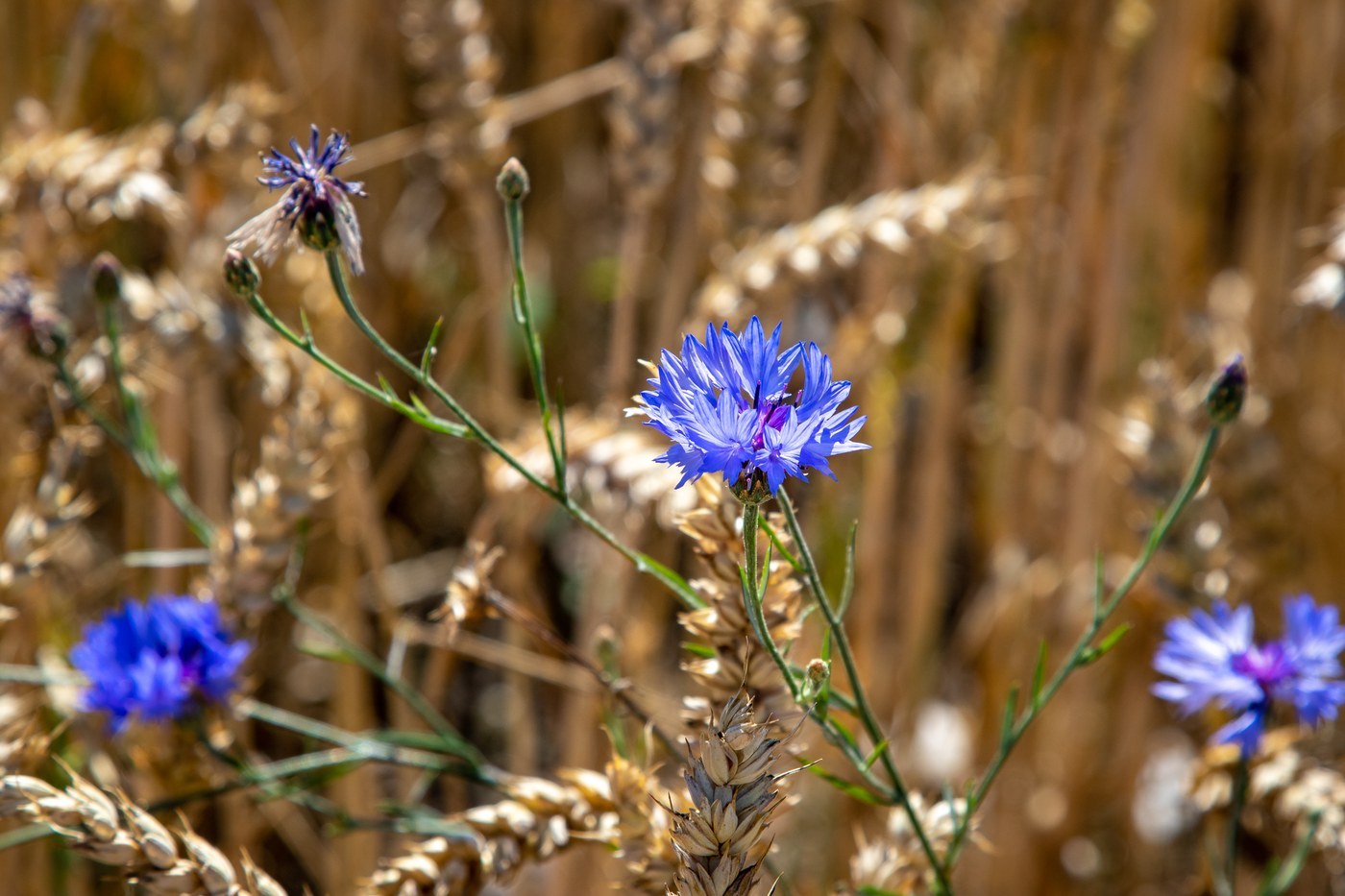
Key Identifying Features
Centaurea is a large genus including cornflowers, knapweeds, and bachelor's buttons. While species vary, shared identifying traits include:
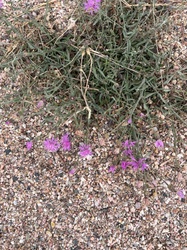
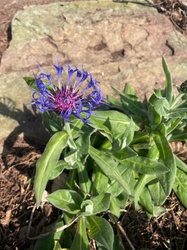
- Fringed, tufted flower heads in blue, purple, pink, white, or yellow
- Enlarged, frilly outer florets surrounding a denser center, giving a frayed or starburst look
- A distinctive scaly involucre (base of the flower head) — often with dark, comb-like, or papery bract margins that help separate species
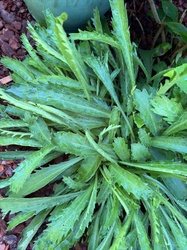
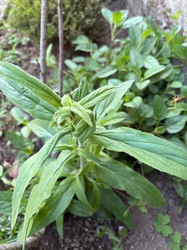
- Generally narrow, gray-green or hairy leaves
Leaves & Stems
Leaves are alternate and vary from narrow and grass-like (e.g., cornflower) to deeply lobed (many knapweeds), often gray-green and downy or cottony, giving plants a slightly silvery cast. Stems are wiry to stout, branching, and grooved, sometimes winged, and usually without spines (Centaurea is thistle-like but typically lacks the sharp spines of true thistles, though some species have spiny bracts).
Flowers & Fruit
Blooming late spring through summer, flower heads sit singly at branch tips. Each head has a base of overlapping bracts (phyllaries) topped with a fringe — the shape, color, and fringe pattern of these bracts is the key to identifying species. The florets are all disk-type (no flat ray petals); the marginal florets are enlarged and ray-like, deeply cut into thread-like lobes, producing the characteristic frilly, fringed flower. Colors include the classic cornflower blue, plus purple, pink, white, and yellow. Seeds are achenes, often with a small bristly tuft.
How to Tell It Apart from Look-Alikes
- True thistles (Cirsium, Carduus) — spiny leaves and spiny heads; Centaurea is usually softer with only bract fringes, not painful spines on the foliage.
- Stokes' aster (Stokesia) — larger, single fringed heads with a smooth-leaved rosette.
- Cornflower vs. chicory — chicory has flat blue ray-flowers (true straps), not a fringed tuft.
- Bachelor's button (C. cyanus) — the familiar annual cornflower; knapweeds (C. nigra, C. jacea) are perennials with darker, often invasive, purple tufts.
Examine the bract base: dark-fringed, comb-toothed, or papery bracts are the most reliable way to tell Centaurea species apart.
Where You'll Find It
Centaureas grow in meadows, grasslands, roadsides, fields, and waste ground, mostly across Europe and Asia, with many naturalized worldwide. Several knapweeds are aggressive weeds in North America. They favor full sun and well-drained soil. Look for their fringed tufts in summer fields and gardens.
Quick ID Checklist
- Fringed, tufted flower heads (blue, purple, pink, white, or yellow)
- Enlarged frilly outer florets, no flat ray petals
- Scaly flower-head base with distinctive bract margins
- Narrow to lobed, often gray-green hairy leaves
- Sunny meadow/roadside habitat
A thistle-like flower with a fringed tuft atop a scaly, dark-edged base — but soft, non-spiny foliage — is a Centaurea.
Frequently asked questions
What's the easiest way to identify a Centaurea species?
Examine the bracts at the base of the flower head (the involucre). Their color, fringe pattern, and comb-like or papery margins are the most reliable features for distinguishing species.
Is Centaurea a thistle?
It's thistle-like and in the same family, but most Centaurea species lack the sharp spines of true thistles, having only soft fringed flower heads and non-prickly leaves.
Are cornflower and knapweed both Centaurea?
Yes. The annual cornflower or bachelor's button (C. cyanus) and the perennial knapweeds (such as C. nigra) all belong to the genus Centaurea.
Do Centaurea flowers have petals?
Not flat ray petals. The frilly look comes from enlarged, deeply lobed marginal disk florets surrounding a tighter center.
Centaurea identified by the community
Recent Centaurea specimens identified with Plant Identifier.