How to Care for Chaste Tree
Grow the drought-tolerant Chaste Tree (Vitex agnus-castus) for its aromatic foliage and long spikes of blue-purple summer flowers.
Read the full Chaste Tree encyclopedia entry →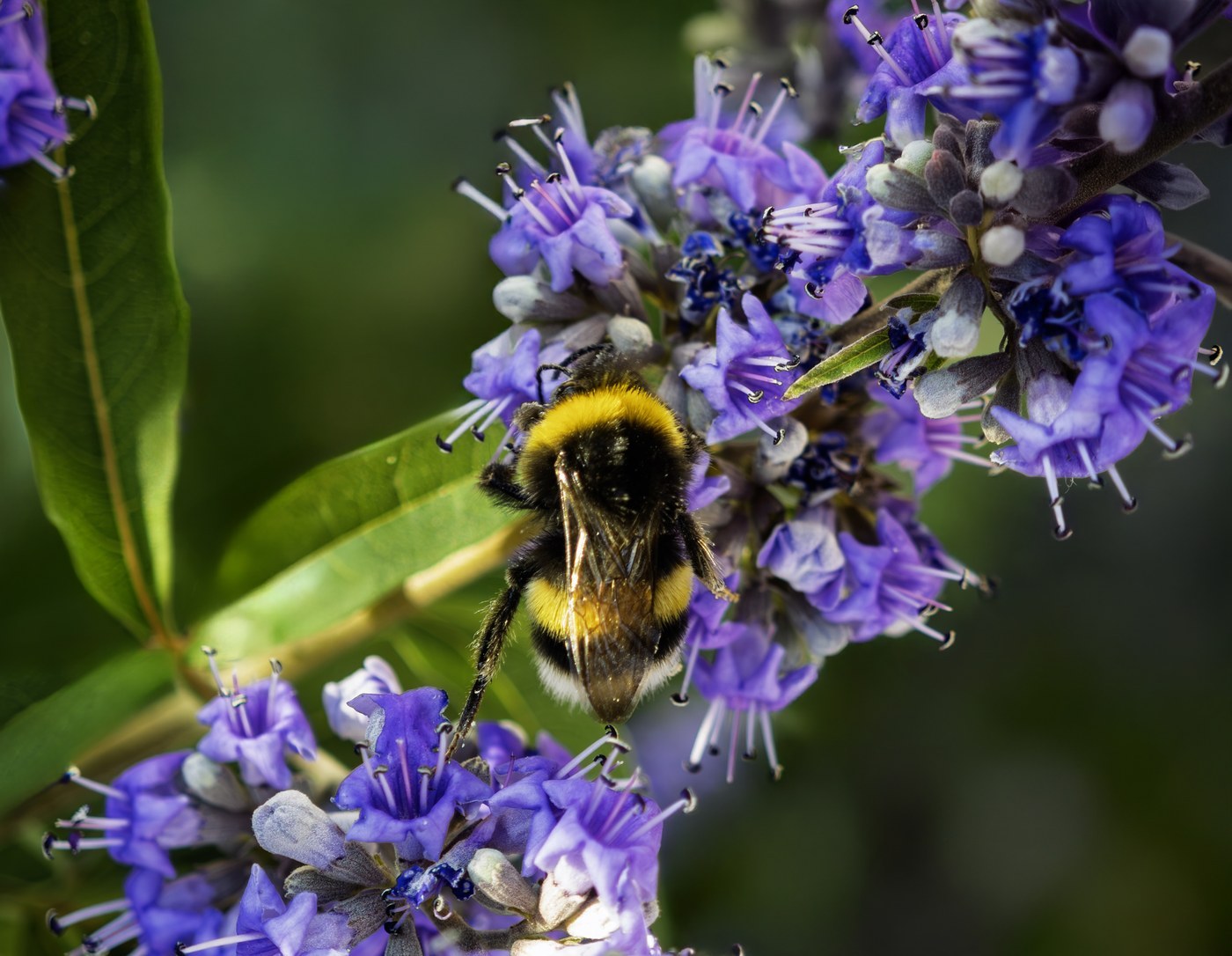
The Chaste Tree (Vitex agnus-castus) is a fast-growing, sun-loving deciduous shrub or small tree valued for its aromatic gray-green foliage and tall spikes of blue to lavender flowers that draw bees and butterflies through summer. It is tough, heat-loving, and drought-tolerant once established.
Light
Plant in full sun for the most vigorous growth and heaviest flowering. At least six to eight hours of direct sun daily is ideal. In too much shade it grows leggy and blooms poorly.
Water
Water regularly the first year to establish a strong root system. After that it is quite drought-tolerant, needing only low to moderate water. Deep, infrequent watering during prolonged dry spells is better than frequent shallow watering. It dislikes soggy, waterlogged soil.
Soil & Potting
Vitex thrives in average, well-drained soil and tolerates poor, sandy, or rocky conditions. It handles a wide pH range but resents heavy, wet clay. Good drainage is the single most important soil factor for healthy roots.
Humidity & Temperature
A warm-climate plant, it loves heat and tolerates humidity well. It is generally hardy in USDA zones 6 through 9; in colder zones it may die back to the ground in winter and resprout. Established plants tolerate considerable cold once dormant.
Feeding
Chaste Tree needs little fertilizer. A light application of balanced granular fertilizer in early spring is plenty. Avoid heavy nitrogen feeding, which promotes leafy growth at the expense of flowers.
Propagation
Propagate from softwood cuttings taken in late spring or summer, or from hardwood cuttings in winter. It can also be grown from seed, though seedlings vary. Cuttings root readily in a moist, well-draining medium.
Repotting / Pruning
Prune in late winter or early spring while dormant, since it blooms on new wood. Cutting it back hard rejuvenates the plant and encourages abundant flowering. Remove spent flower spikes during summer to encourage a second flush of blooms. It can be trained as a multi-stemmed shrub or a single-trunk small tree.
Common Problems & Pests
Generally trouble-free and pest-resistant. Leaf spot and root rot can occur in poorly drained or overly wet soils. Occasional aphids or mites may appear but rarely cause serious harm. Good air circulation and sharp drainage prevent most issues.
Seasonal Care Tips
In late winter, prune hard to shape and stimulate new flowering wood. Through spring and summer, enjoy the blooms and deadhead spent spikes to prolong the display. In fall, reduce watering as the plant drops its leaves and enters dormancy; in cold zones, apply mulch to protect the roots.
Frequently asked questions
When should I prune my Chaste Tree?
Prune in late winter or early spring while dormant. Because it flowers on new growth, a hard pruning encourages vigorous new wood and abundant summer blooms.
How much water does an established Chaste Tree need?
Very little. Once established it is drought-tolerant, needing only occasional deep watering during extended dry periods. Avoid keeping the soil constantly wet.
Can I get a second round of flowers?
Yes. Removing spent flower spikes soon after they fade often encourages a lighter second flush of blooms later in the season.
Why is my Chaste Tree not flowering well?
The most common causes are too much shade or excess nitrogen fertilizer. Give it full sun and go easy on high-nitrogen feeding.
Chaste Tree identified by the community
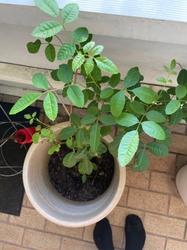
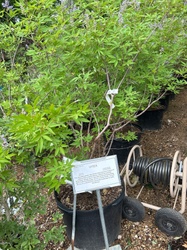
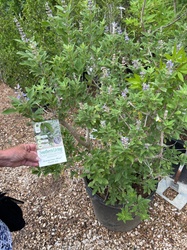
Recent Chaste Tree specimens identified with Plant Identifier.