Chaste Tree
Vitex agnus-castus
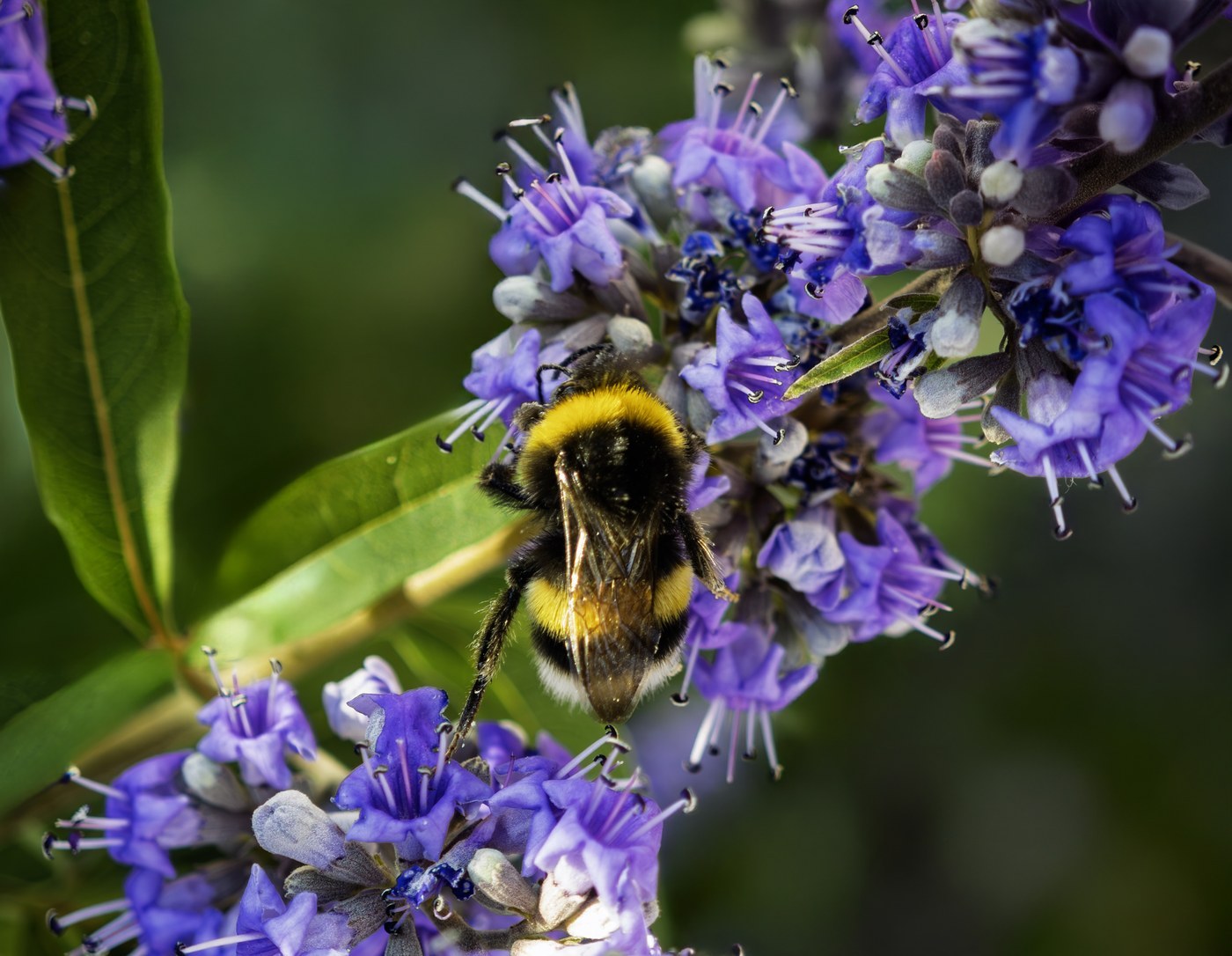
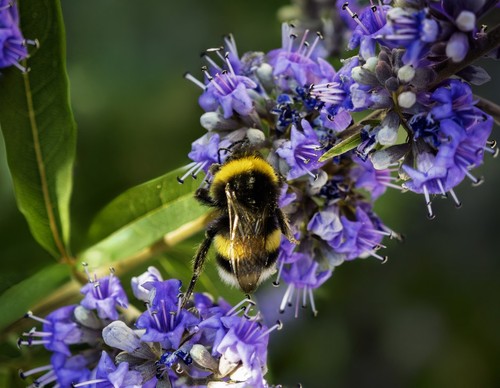
The chaste tree is a Mediterranean deciduous shrub or small tree with aromatic, palmate foliage and slender spikes of lavender-blue summer flowers that attract bees and butterflies.
- Light
- Full sun
- Water
- Low to moderate; drought-tolerant
- Difficulty
- Easy
Got a plant like this?
Identify any plant from a photo, free.
Overview
Vitex agnus-castus is a deciduous shrub or small tree native to the Mediterranean and western Asia, grown for its long bloom season, fragrant foliage, and pollinator appeal.
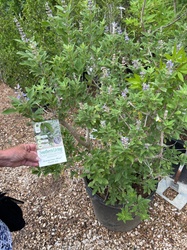
From mid to late summer it produces upright spikes of small lilac-blue (sometimes pink or white) flowers above gray-green, hand-shaped leaves that release a sage-like scent when crushed.
The small peppercorn-like seeds, called monk's pepper, give the plant one of its common names. It is heat-loving, drought-tolerant, and easy to grow.
How to identify it
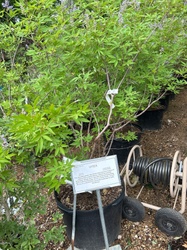
A multi-stemmed deciduous shrub or small tree reaching 2-6 m, broad and spreading.
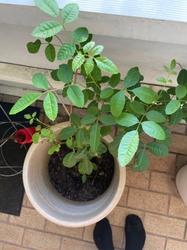
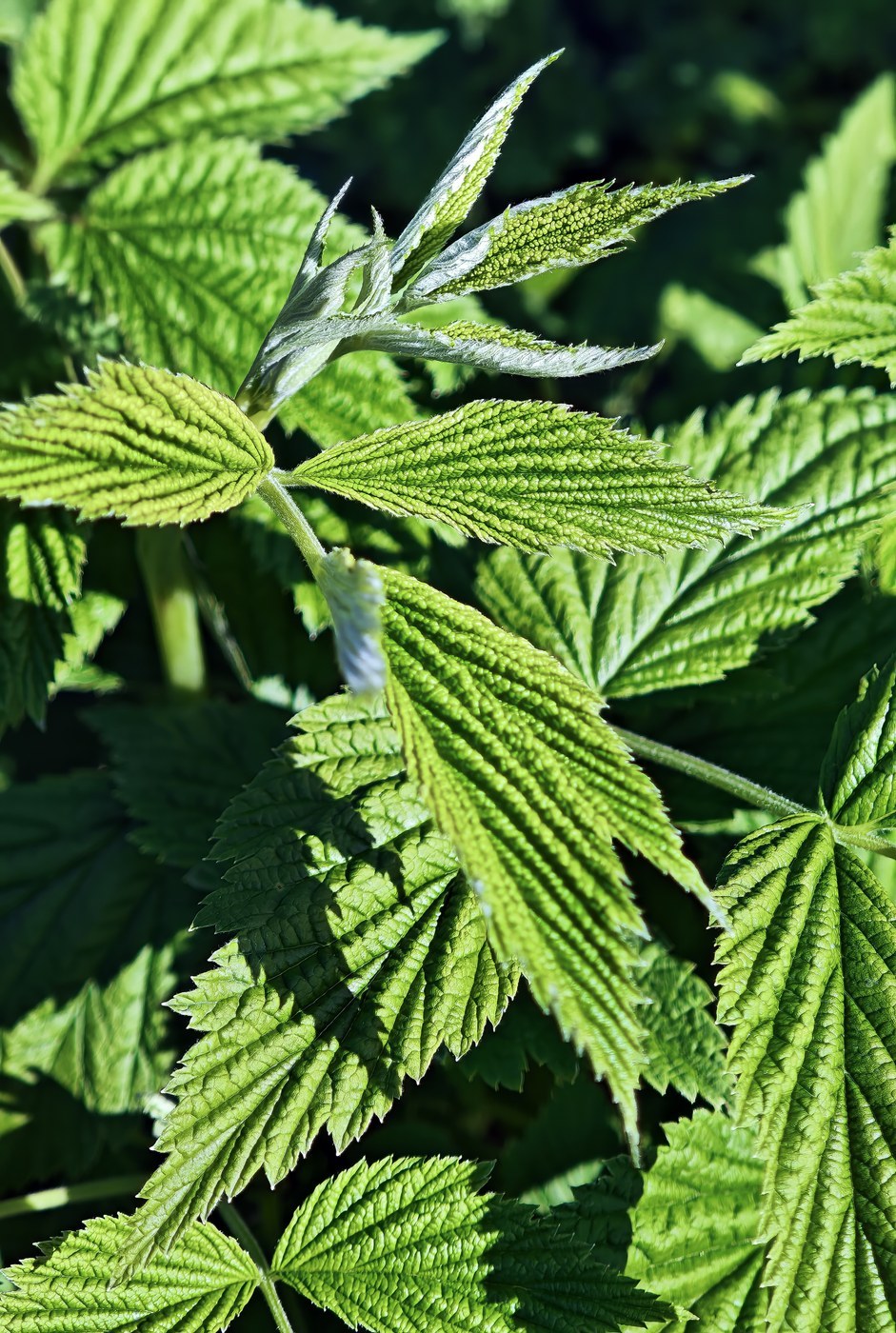
- Leaves: opposite, palmately compound with 5-7 narrow, lance-shaped, gray-green leaflets; aromatic when crushed
- Flowers: small, fragrant, lavender-blue (occasionally pink or white) borne in slender terminal spikes in summer
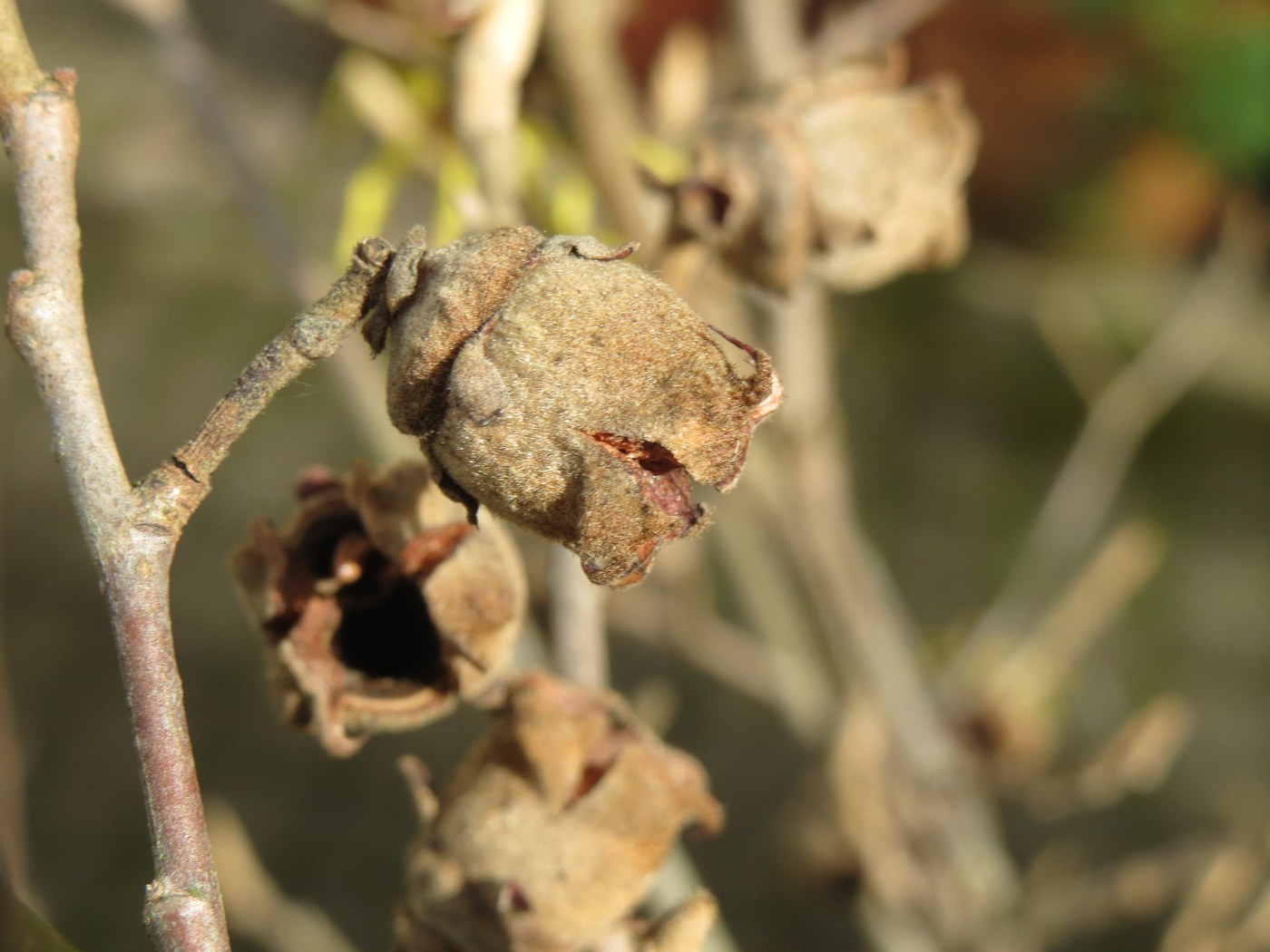
- Fruit: small, dark, peppercorn-like berries (monk's pepper) with a spicy aroma
- Bark: grey-brown
- Habit: loose, rounded, often as wide as tall
Care & growing
A tough, sun-loving shrub for warm, dry gardens.
- Light: full sun is essential for good flowering
- Water: low once established; very drought-tolerant
- Soil: well-drained; tolerates poor, sandy, and rocky soils, dislikes wet feet
- Temperature: hardy in zones 6-9; may die back in cold winters but regrows from the base
- Feeding: minimal; avoid overfeeding
- Propagation: from softwood or semi-hardwood cuttings or seed; prune in late winter to shape and boost bloom
Habitat & origin
Native to the Mediterranean region and western and central Asia, where it grows along riverbanks, coastal areas, and dry, sunny slopes.
Widely cultivated in warm-temperate gardens worldwide and naturalized in parts of the southeastern United States, where it thrives in heat and humidity.
Frequently asked questions
Why is it called the chaste tree?
Historically its seeds were associated with monks, earning the names chaste tree and monk's pepper.
When does the chaste tree bloom?
It blooms in mid to late summer, often over many weeks, and light pruning of spent spikes can encourage repeat flowering.
Will it survive cold winters?
In zones 6 and colder it may die back to the ground in winter but usually regrows from the roots in spring.
How do I recognize its foliage?
Look for opposite, palmately compound gray-green leaves with 5-7 narrow leaflets that give off a sage-like scent when crushed.
Chaste Tree guides
In-depth guides for identifying, growing, and caring for Chaste Tree.
How to Care for Chaste Tree
Grow the drought-tolerant Chaste Tree (Vitex agnus-castus) for its aromatic foliage and long spikes of blue-purple summer flowers.
Chaste Tree Identification Guide
How to identify the Chaste Tree (Vitex agnus-castus) by its aromatic palmate leaves, spikes of lavender-blue flowers, and peppery dark fruits.
Chaste Tree identified by the community
Real specimens identified with Plant Identifier.