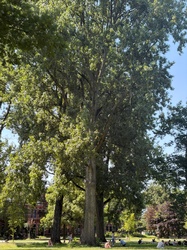
How to Care for Cottonwood
Grow the fast, water-loving Eastern Cottonwood with tips on siting, watering, soil and pruning for a big, shade-giving landscape tree.
Read the full Cottonwood encyclopedia entry →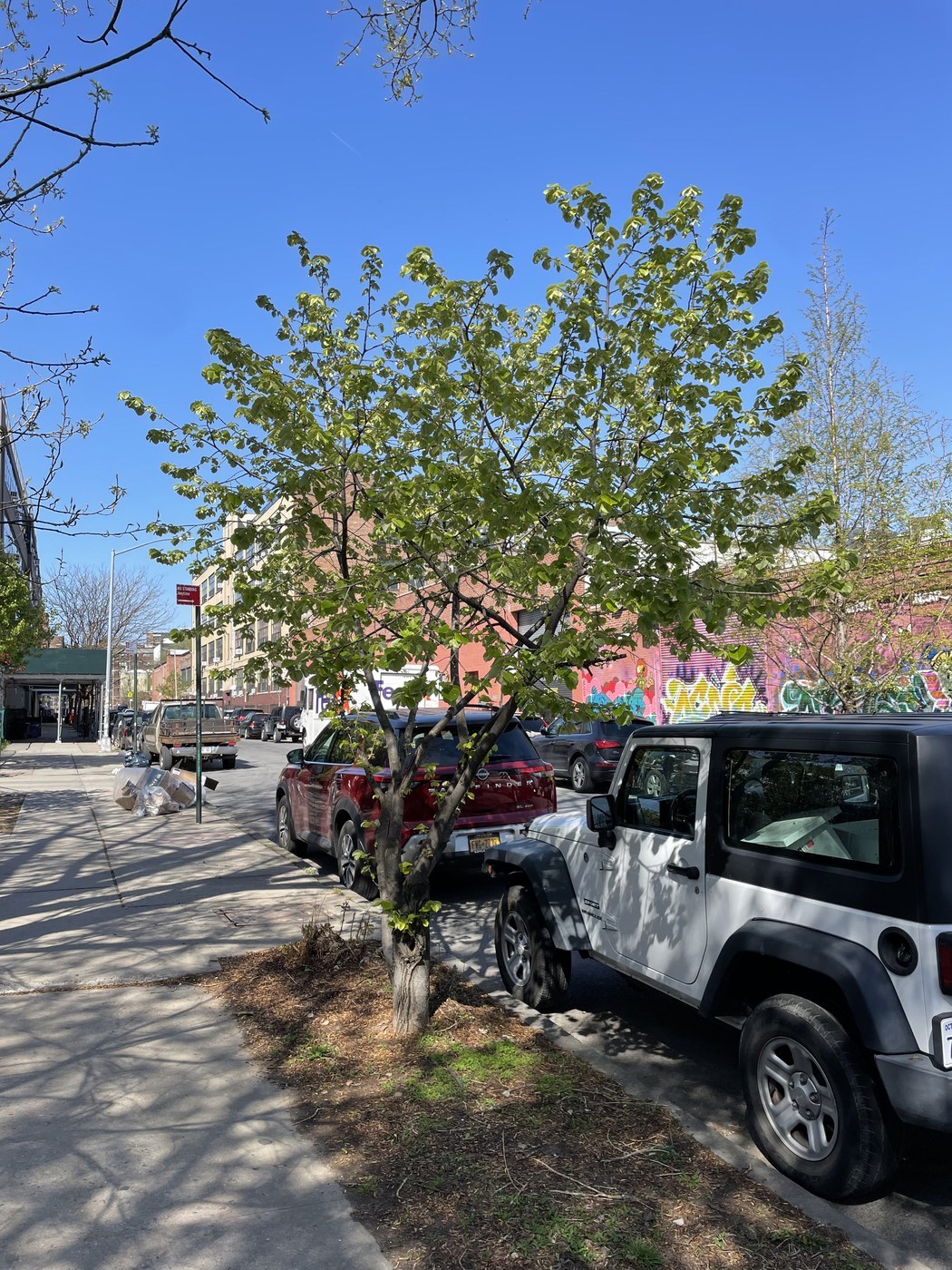
The Eastern Cottonwood (Populus deltoides) is a massive, fast-growing native shade tree of floodplains and riverbanks, known for its glossy triangular leaves that flutter and rustle in the slightest breeze. It is one of the quickest-growing trees in North America and thrives where the ground stays moist, making it a good choice for large, open, damp sites.
Light
Cottonwood requires full sun. As a pioneer species of open riverbanks and disturbed ground, it needs at least 6 hours of direct sun daily and grows fastest in full, unobstructed light. It does not tolerate shade well and should be given plenty of open space away from buildings and other trees.
Water
This is a very water-loving tree that prefers consistently moist soil. In the wild it colonizes riverbanks, floodplains, and low, wet ground, and it tolerates periodic flooding. Keep young trees well watered, especially through their first few growing seasons, to fuel their rapid growth. Mature cottonwoods are somewhat drought-tolerant once their deep, wide roots are established, but they perform best with a steady supply of moisture and are ideal for damp, low-lying areas.
Soil & Potting
Cottonwood is adaptable and grows in a wide range of soils, from sandy to clay, but favors deep, moist, fertile bottomland soil. It tolerates poor and periodically flooded ground that would kill many other trees. It handles a broad pH range. Because it grows so large and so fast, it is planted directly in the landscape rather than kept in containers, and it needs ample room for its extensive root system.
Humidity & Temperature
Eastern Cottonwood is very cold-hardy and thrives across a wide climate range, roughly USDA zones 2-9. It withstands harsh winters and hot summers alike and is unbothered by humidity. Its natural adaptability to seasonal flooding and temperature extremes makes it a resilient choice for challenging sites.
Feeding
Cottonwood rarely needs fertilizer; it grows vigorously on its own, often several feet per year, and is typically planted in fertile bottomland soil. If growth is poor on lean ground, a light application of balanced tree fertilizer in early spring can help, but feeding is generally unnecessary and excessive nitrogen only produces weak, fast wood.
Propagation
Cottonwood is very easy to propagate from hardwood cuttings, one of its most reliable traits. Take dormant cuttings of pencil-thick stems in late winter and push them into moist ground; they root readily. It also grows from seed, though the cottony seeds are only viable briefly and need bare, moist soil to germinate. Many landscape cottonwoods are cottonless male cultivars propagated by cutting to avoid the fluffy seed.
Repotting / Pruning
Cottonwood is a landscape tree, not a container plant. Prune in late winter while dormant to establish a strong central leader and remove crossing, weak, or damaged branches. Because the wood is soft and fast-grown, it is prone to breakage, so structural pruning when young pays off. Remove deadwood promptly, and site the tree away from structures, walkways, and utilities to accommodate its size and falling limbs.
Common Problems & Pests
Cottonwoods are fast but relatively short-lived and can be prone to problems. The soft wood is susceptible to breakage in storms and to heart rot in older trees. Watch for cankers, leaf rust, and leaf spot in wet seasons, plus pests such as borers, aphids, scale, and cottonwood leaf beetles. The vigorous, shallow-spreading roots can lift pavement and invade drains and septic lines, so plant well away from paving and infrastructure. The abundant cottony seed of female trees is a familiar nuisance.
Seasonal Care Tips
Plant in early spring or fall, giving the tree plenty of open, moist ground. Water young trees deeply through their first summers to support rapid establishment. Prune structurally in late winter while dormant. In spring, female trees release their signature drifts of cottony seed. Through summer, keep the soil moist during dry spells. In fall the leaves turn clear yellow before dropping; rake fallen leaves and inspect for storm-damaged limbs after windy weather.
Frequently asked questions
How fast does a Cottonwood grow?
Very fast, often several feet per year in good conditions, making it one of the quickest-growing shade trees in North America. This rapid growth produces soft wood that is prone to breakage, so give it space and prune structurally when young.
Where should I plant a Cottonwood?
Choose a large, open site in full sun with moist soil, well away from buildings, pavement, drains, and septic lines. Its aggressive, spreading roots and large size make it best suited to spacious, damp, low-lying areas.
How can I avoid the cottony fluff?
The fluffy seed comes only from female trees. Plant a cottonless male cultivar, which is propagated by cutting, to enjoy the fast shade without the seasonal drift of cotton.
Do Cottonwoods need a lot of water?
Yes. Cottonwood is a water-loving tree that prefers consistently moist soil and even tolerates periodic flooding. Keep young trees well watered; established trees handle some drought but grow best with steady moisture.
Cottonwood identified by the community
Recent Cottonwood specimens identified with Plant Identifier.