Cottonwood
Populus deltoides
Cottonwood is a fast-growing deciduous tree of North American riverbanks, named for the fluffy, cotton-like seeds that fill the air in early summer. Large and vigorous, it provides quick shade and vital riparian habitat.
- Light
- Full sun
- Water
- Prefers moist soil; very water-loving
- Difficulty
- Easy
Got a plant like this?
Identify any plant from a photo, free.
Overview
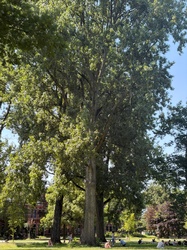
Cottonwood is a large, fast-growing deciduous tree in the willow family, native to North America and typically found along rivers, streams and floodplains. The eastern cottonwood is one of the largest hardwood trees in North America.
Its name comes from the masses of fluffy, cotton-like fibers that carry its tiny seeds on the wind in early summer, sometimes drifting like snow. Female trees produce this cotton, while male trees do not.
Cottonwoods grow extremely quickly and provide rapid shade, but they are relatively short-lived, have brittle wood, and aggressive, water-seeking roots. They are ecological keystones of riparian corridors and the wider poplar group.
How to identify it
- Leaves: Broad, triangular (deltoid) leaves with coarsely toothed edges and a flattened leaf stalk that makes them flutter and rustle in the wind; glossy green turning yellow in fall
- Bark: Smooth and yellowish-green when young, becoming thick, deeply furrowed and grey with age
- Seeds: Tiny seeds attached to fluffy white cotton, released in abundance from female trees in early summer
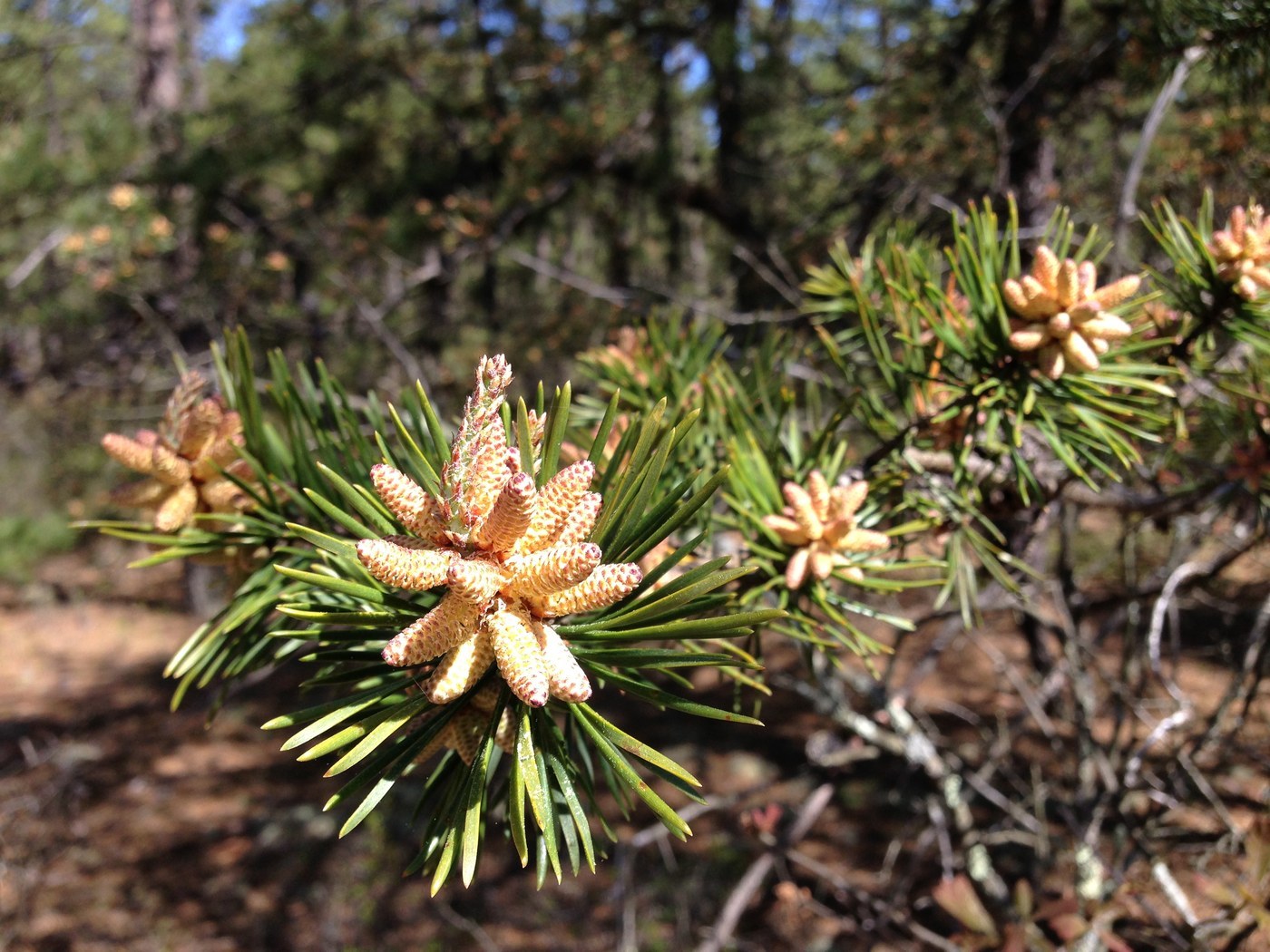
- Catkins: Drooping catkins in spring before the leaves
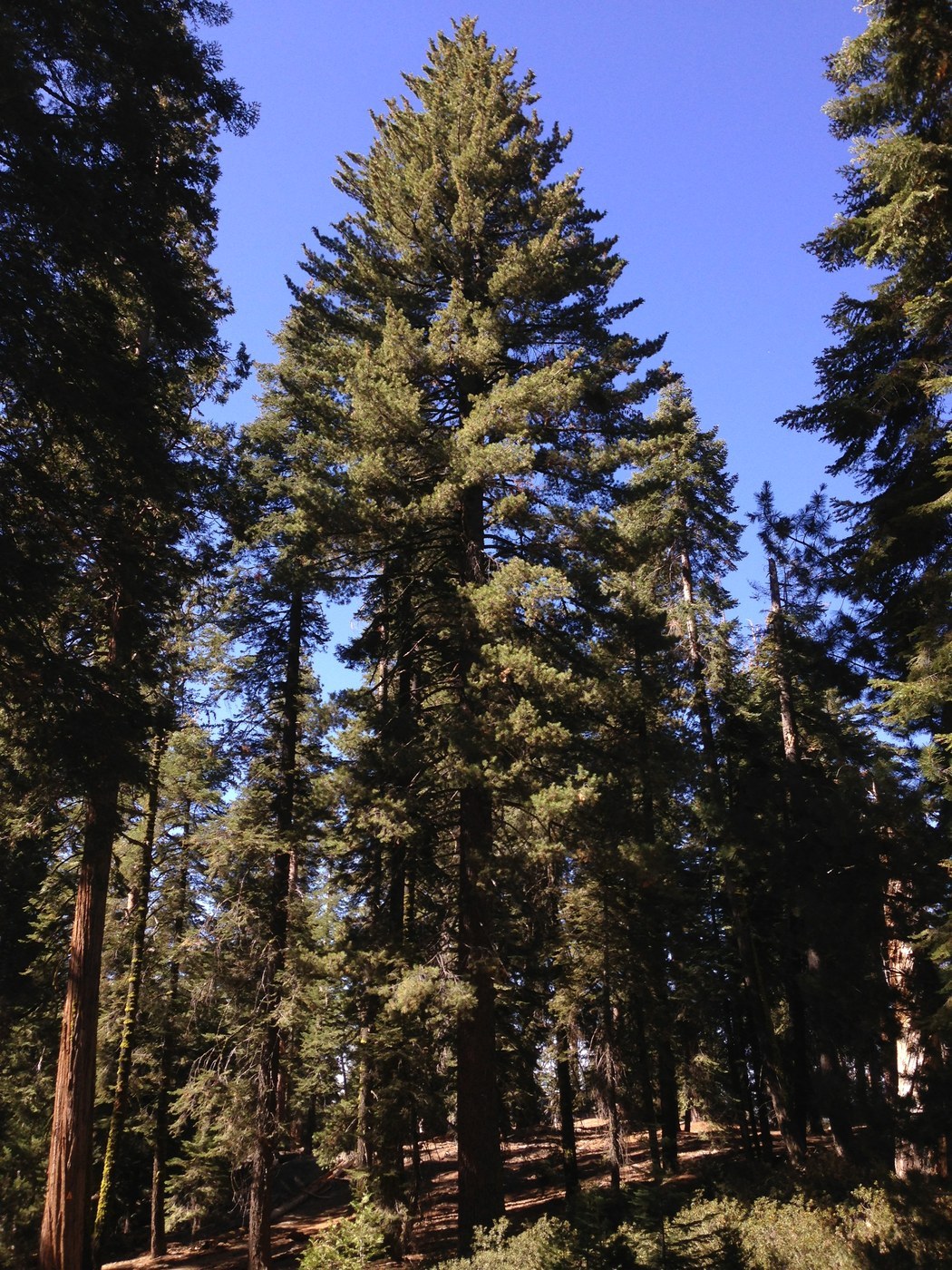
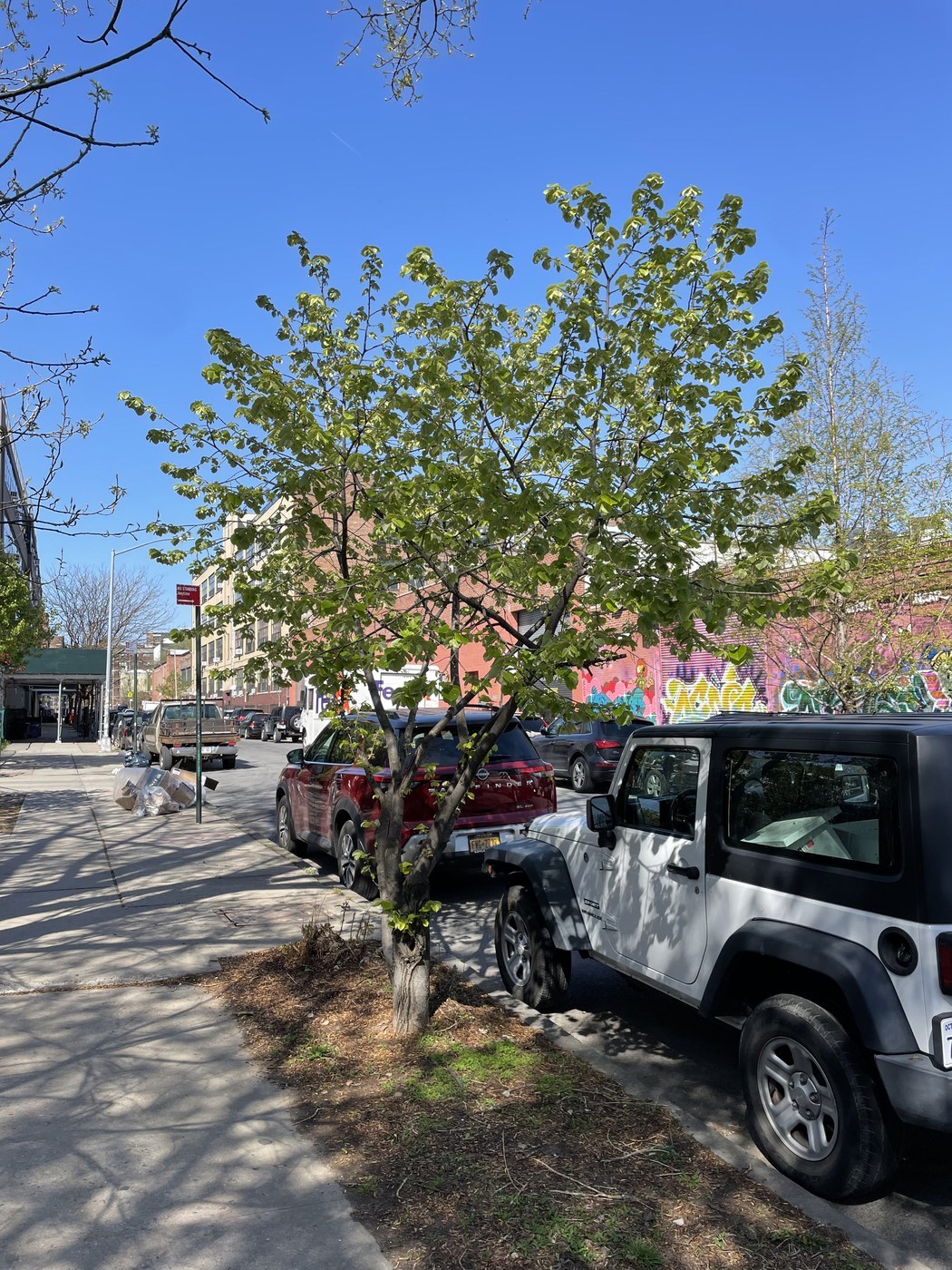
- Size: Large — commonly 25–40 m (80–130 ft) tall with a broad spreading crown
- Growth: Very fast-growing but relatively short-lived with brittle wood
Care & growing
Light: Full sun; cottonwood is shade-intolerant and needs open conditions.
Water: Loves water — naturally grows in moist bottomlands and along watercourses, tolerating periodic flooding. Best in consistently moist soil.
Soil: Prefers moist, fertile, well-drained soils but is highly adaptable; tolerates sandy and silty floodplain soils.
Temperature: Very cold-hardy and adaptable across USDA zones 2–9.
Feeding: Generally not needed; grows vigorously on its own.
Siting: Plant well away from buildings, drains and pavement — its fast, water-seeking roots and brittle branches can cause problems.
Propagation: Easily grown from seed or hardwood cuttings; even broken branches can root in moist soil.
Habitat & origin
Populus deltoides is native to North America, ranging across much of the eastern, central and southwestern United States and into Canada and northern Mexico. Related cottonwood species occur further west.
It is a classic riparian tree, growing along rivers, streams, lakeshores and floodplains where its roots reach abundant water. As a fast pioneer, it quickly colonizes open, disturbed and moist ground, and is planted for quick shade, windbreaks and stream-bank stabilization.
Frequently asked questions
What is the 'cotton' that cottonwoods release?
It is the fluffy white fibers attached to the tree's tiny seeds, released by female trees in early summer to help the seeds disperse on the wind. It can blanket the ground like snow.
How can I avoid the cotton mess?
Plant a male tree or a seedless/cottonless cultivar. Only female cottonwoods produce the cotton-bearing seeds.
Are cottonwood roots a problem near houses?
They can be. Cottonwoods have fast-growing, water-seeking roots that may invade drains and lift pavement, and their brittle wood drops branches. Plant them well away from buildings and utilities.
How fast and how long do cottonwoods grow?
They are among the fastest-growing North American hardwoods, sometimes gaining 2 m (6 ft) a year when young, but they are relatively short-lived, often around 70–100 years.
Cottonwood guides
In-depth guides for identifying, growing, and caring for Cottonwood.
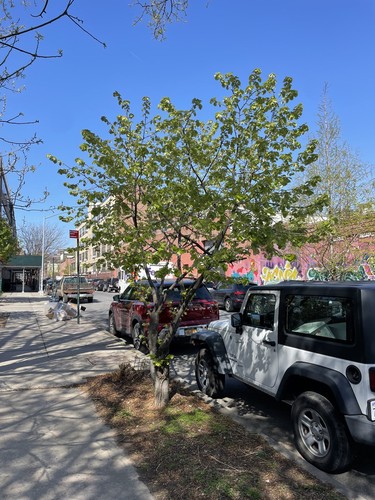
How to Care for Cottonwood
Grow the fast, water-loving Eastern Cottonwood with tips on siting, watering, soil and pruning for a big, shade-giving landscape tree.
Cottonwood Identification Guide
Identify cottonwood by its triangular toothed leaves on flattened stalks, deeply furrowed grey bark, and the fluffy cottony seeds it releases in summer. Includes how to tell it from aspen, poplar, and willow.
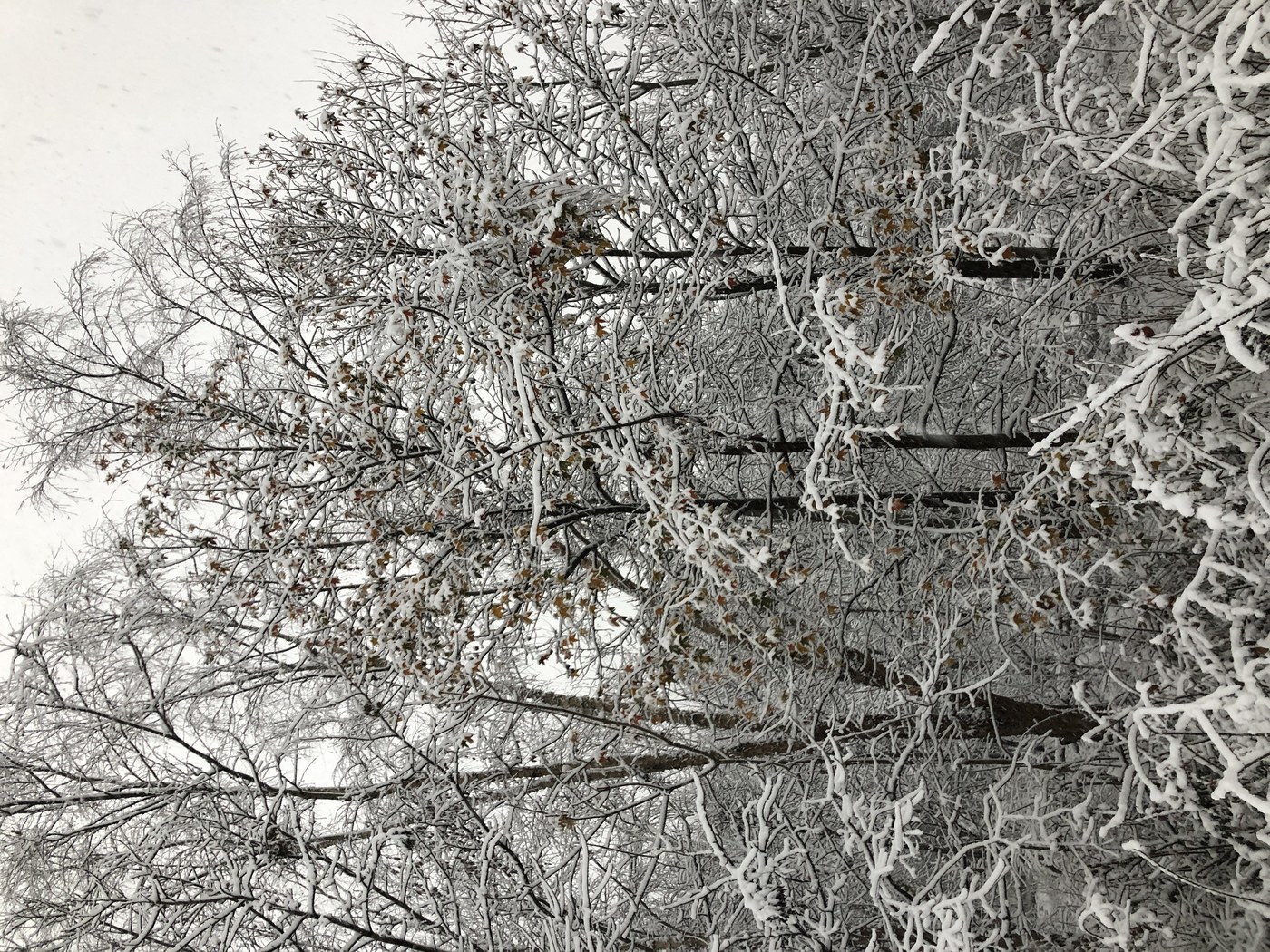
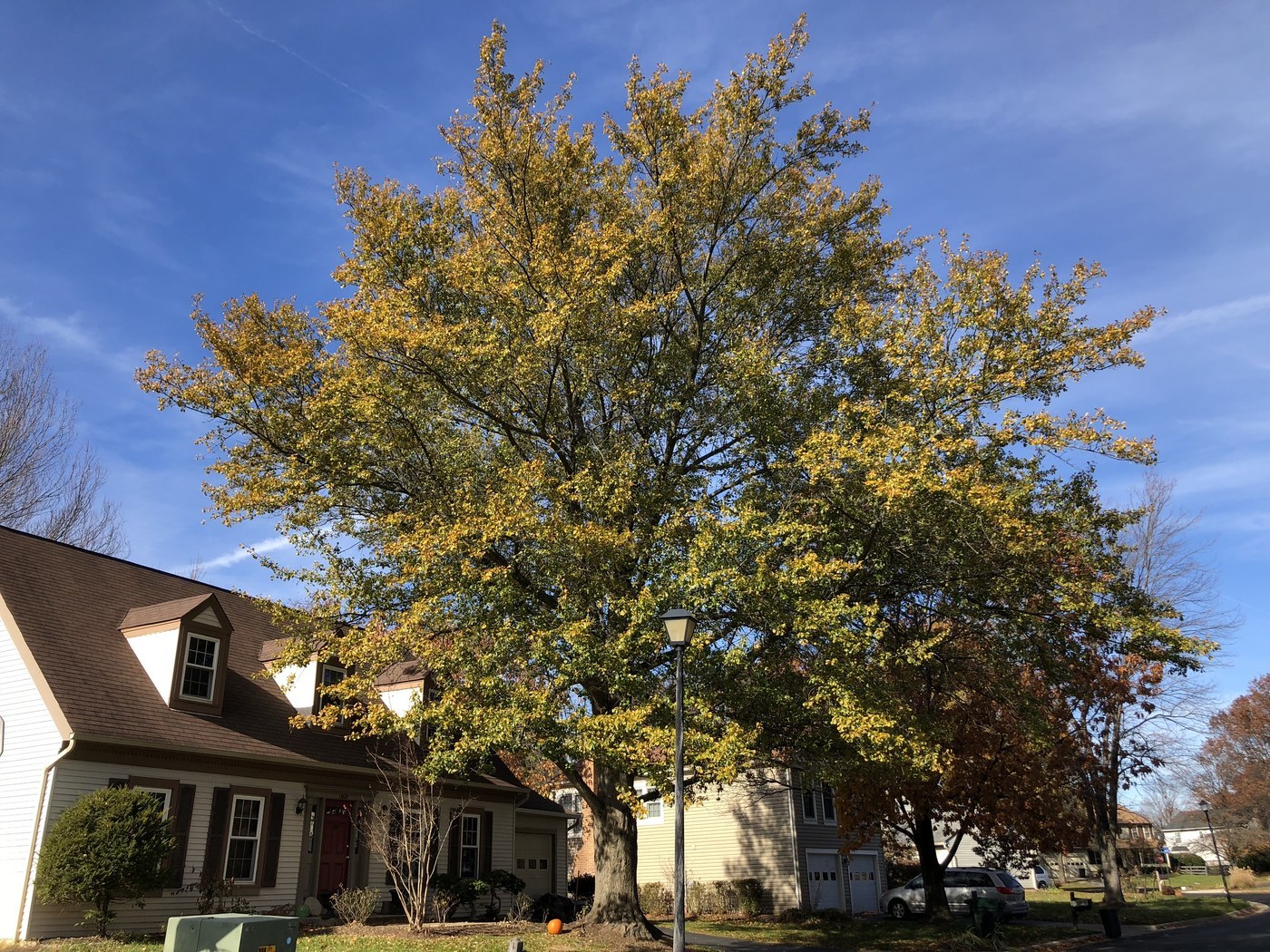
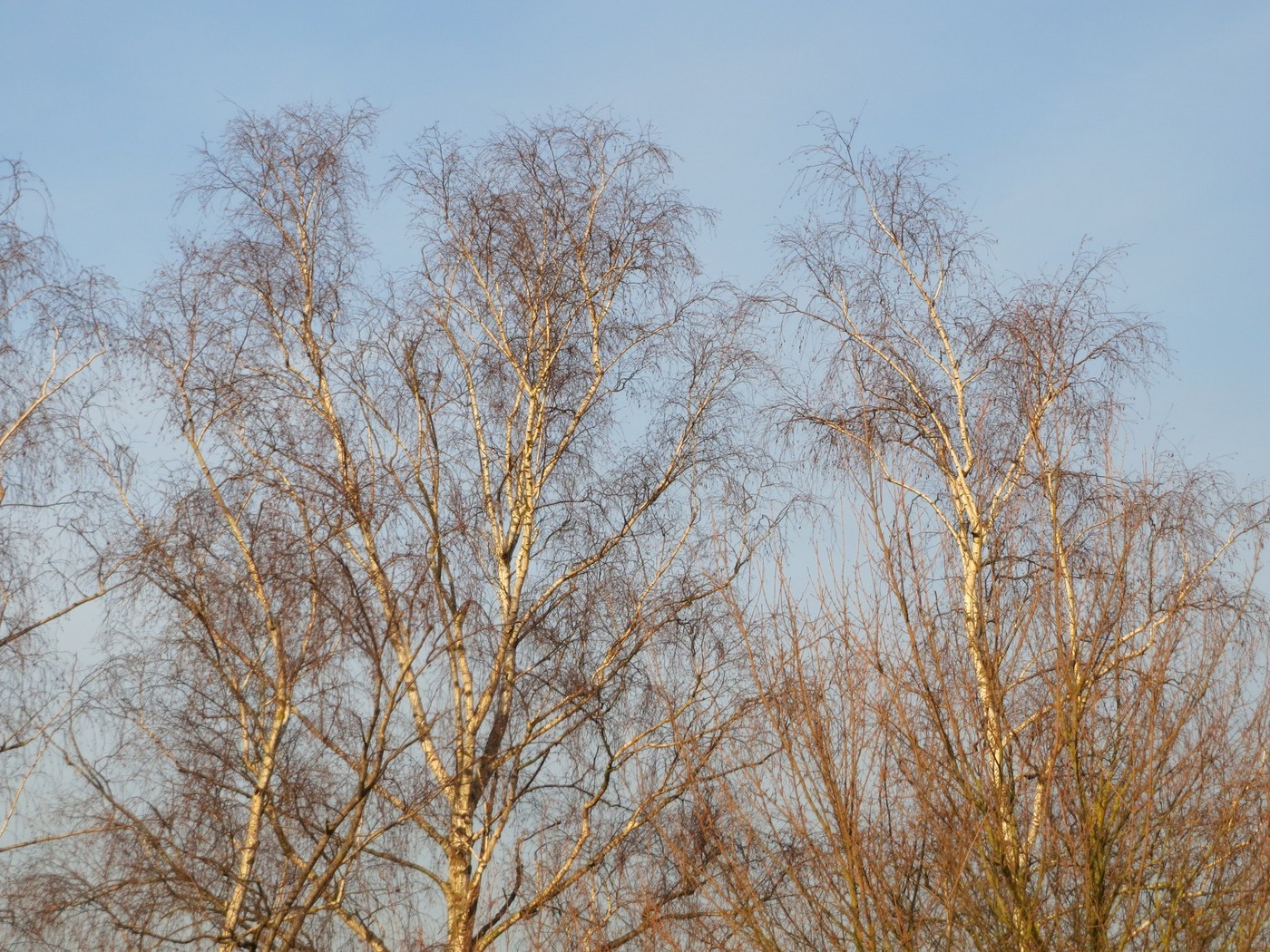
Cottonwood identified by the community
Real specimens identified with Plant Identifier.