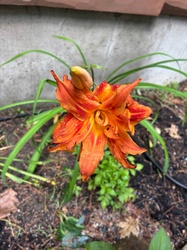
How to Care for Daylily
Grow tough, adaptable Daylilies in full sun with weekly water for waves of colorful, easy summer blooms.
Read the full Daylily encyclopedia entry →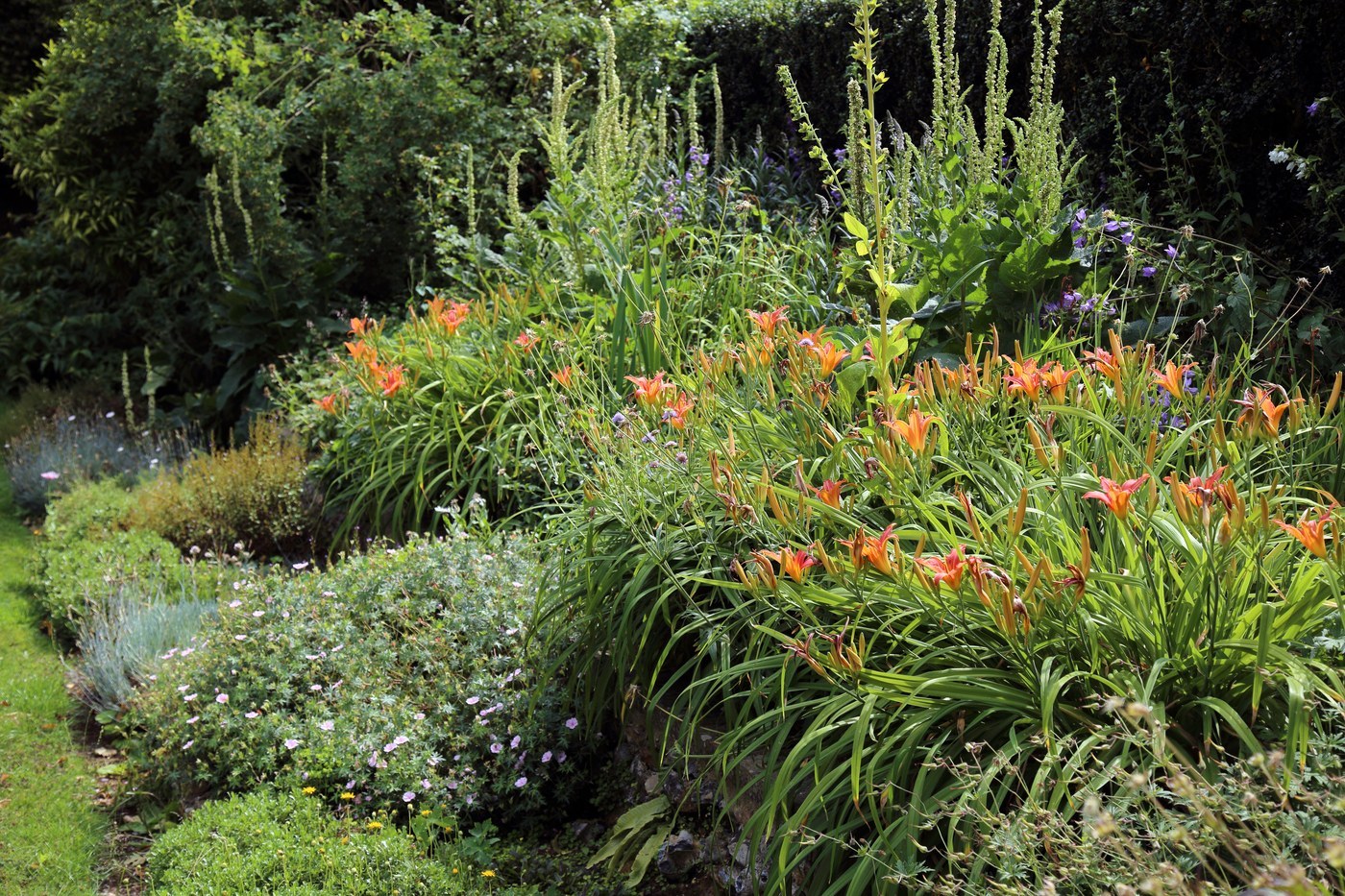
The Daylily (Hemerocallis fulva) is a tough, adaptable perennial famed for its succession of vibrant, short-lived blooms atop arching, grass-like foliage. It is an easy, forgiving plant that flowers freely in a wide range of conditions.
Light
Daylilies bloom best in full sun, ideally six or more hours of direct light a day, though they tolerate part shade with somewhat fewer flowers. Pale and pastel cultivars may benefit from light afternoon shade in very hot climates, while darker types hold their color better with some shade.
Water
Water about weekly, providing deep, thorough soakings rather than frequent shallow sprinkles. Daylilies are drought-tolerant once established, but consistent moisture during the growing and blooming season produces the most and largest flowers. Ensure the soil drains well so roots are never waterlogged.
Soil & Potting
Daylilies are unfussy and grow in almost any reasonably fertile, well-drained soil. They tolerate clay and poor soils better than most perennials. Improve heavy ground with organic matter for best performance. In containers, use a rich, well-draining mix and a roomy pot to accommodate their fleshy roots.
Humidity & Temperature
Hardy and heat-tolerant, Daylilies thrive across a broad range of climates and shrug off both summer heat and cold winters. They need no special humidity. Many go dormant in winter, with foliage dying back and reemerging in spring.
Feeding
Feed once in early spring with a balanced granular fertilizer as new growth appears, and optionally again lightly after the first flush of bloom. Top-dress with compost for steady nutrition. Avoid excessive nitrogen, which encourages lush foliage at the expense of flowers.
Propagation
The easiest method is division. Lift established clumps in early spring or right after flowering, separate them into fans each with roots attached, and replant promptly. Division every few years reinvigorates crowded clumps and multiplies your stock quickly.
Repotting / Pruning
Divide and replant crowded clumps every three to five years to maintain vigor and bloom. Deadhead spent blooms to keep plants tidy, and remove the whole flower scape once all its buds finish. Trim away yellowing or dead foliage, and cut back dormant leaves in late autumn or early spring.
Common Problems & Pests
Daylilies are remarkably trouble-free. Watch for daylily rust (orange pustules on leaves), crown or root rot in poorly drained soil, and pests such as aphids, thrips, spider mites, and slugs. Good drainage, spacing for airflow, and removing spent foliage prevent most problems.
Seasonal Care Tips
Plant or divide in spring or after flowering. Feed and mulch in spring, water deeply through the blooming season, and deadhead to keep the display neat. In autumn, cut back dying foliage and clear debris. Established clumps need little winter care and return reliably each spring.
Frequently asked questions
Why is it called a Daylily if it flowers all season?
Each individual bloom lasts only a single day, but a healthy clump produces a long succession of buds, so new flowers open daily over many weeks.
How often should I divide Daylilies?
Divide crowded clumps every three to five years in early spring or after flowering. This restores vigor, improves blooming, and gives you new plants to spread around.
Do Daylilies need full sun?
They bloom best in full sun with six or more hours of direct light, but they tolerate part shade with somewhat reduced flowering. Pastel types appreciate afternoon shade in hot climates.
Should I deadhead my Daylilies?
Deadheading spent blooms keeps plants tidy and, once all buds on a scape have finished, removing the whole flower stem tidies the clump and directs energy back to the roots.
Daylily identified by the community
Recent Daylily specimens identified with Plant Identifier.