Daylily
Hemerocallis fulva
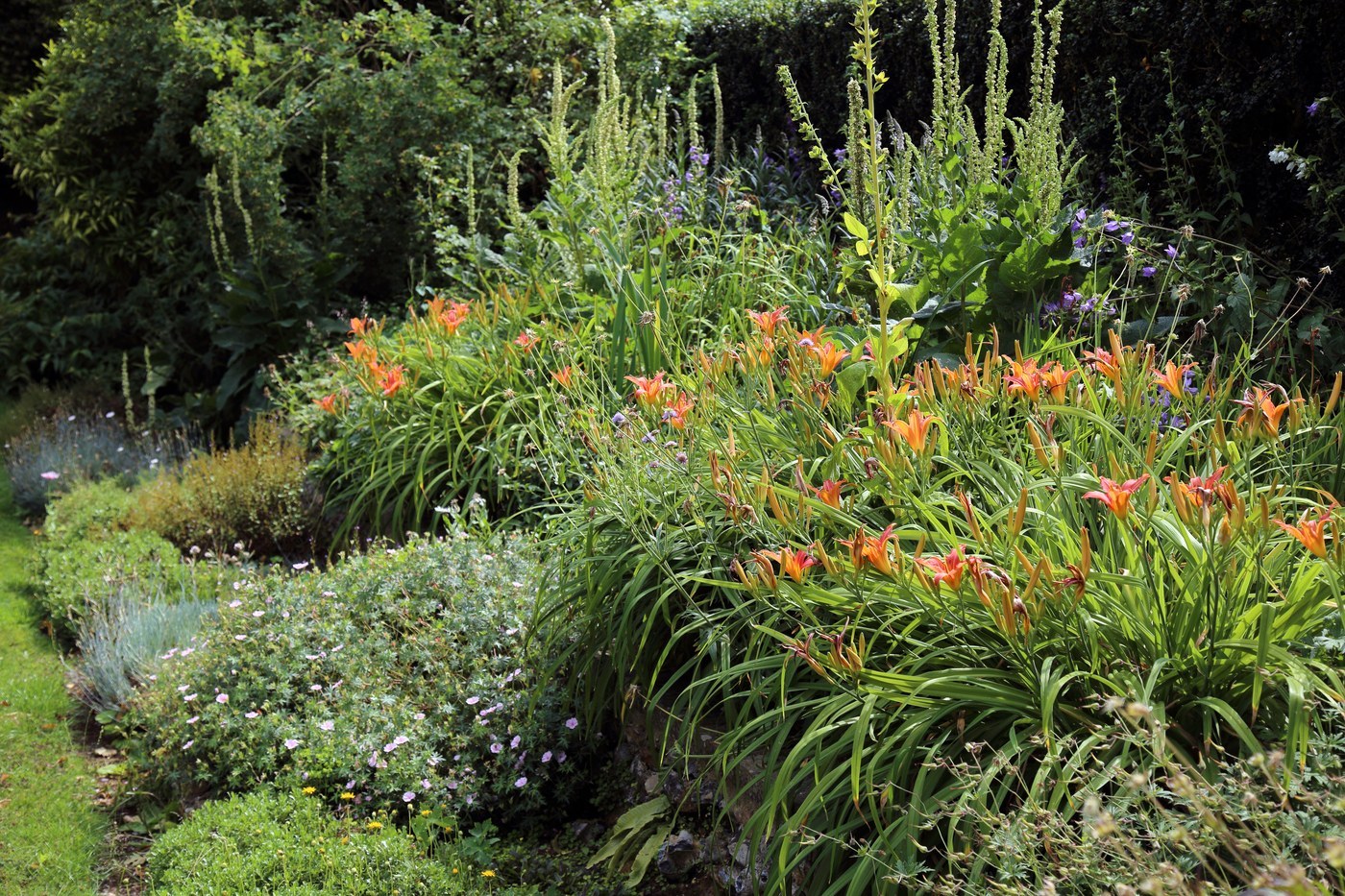
An exceptionally tough clumping perennial whose trumpet-shaped flowers each last a single day, but bloom in dazzling succession all summer. Available in thousands of cultivars and nearly foolproof to grow.
- Light
- Full sun to part shade
- Water
- Weekly; drought-tolerant once established
- Difficulty
- Easy
Got a plant like this?
Identify any plant from a photo, free.
Overview
The daylily earns its name from blooms that open at dawn and wither by nightfall, yet each scape carries many buds so the show continues for weeks. Despite the lily-like flowers, it is not a true lily and grows from fleshy, fibrous roots rather than bulbs.
The common orange Hemerocallis fulva is a vigorous, naturalized roadside plant, while breeders have produced over 80,000 registered cultivars in nearly every color but true blue.
Daylilies are famous for being indestructible, thriving in poor soil, heat, drought, and neglect, which makes them a go-to plant for low-maintenance landscapes.
How to identify it
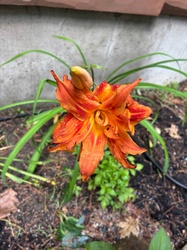
- Flowers: Trumpet- or star-shaped, 3-6 in. wide, each lasting one day; borne on leafless stalks (scapes) above the foliage
- Leaves: Long, narrow, arching, sword-like and grass-green, growing in dense fans from the base
- Habit: Mounding clump 1-4 ft tall depending on cultivar
- Roots: Thick, fleshy, fibrous (not a bulb)
- Bloom time: Early to late summer, with rebloomers extending into fall
Care & growing
Light: Full sun yields the most blooms; lighter-colored varieties tolerate partial shade.
Water: Average moisture; well-established plants tolerate drought, though steady water improves flowering.
Soil: Adaptable to almost any soil with reasonable drainage.
Temperature: Hardy in USDA zones 3-9.
Feeding: A light spring feeding of balanced fertilizer supports bloom; they are not heavy feeders.
Propagation: Divide clumps in spring or fall every 3-5 years to maintain vigor. Quick and easy to split.
Habitat & origin
Daylilies originate in Asia, including China, Korea, and Japan, where they grow in meadows, forest margins, and along streams. The tawny orange daylily has naturalized widely across roadsides and old homesteads in North America and Europe.
They are now grown globally in gardens of every kind, from formal borders to mass plantings on slopes and median strips.
Frequently asked questions
Why does each daylily flower only last one day?
It is the plant's natural strategy; the genus name Hemerocallis means 'beauty for a day.' Each scape produces many buds, so new flowers open daily over a long bloom period.
Are daylilies true lilies?
No. Despite the name and lily-like blooms, they belong to the genus Hemerocallis, not Lilium, and are far easier and tougher to grow.
How often should I divide daylilies?
Every 3-5 years when clumps get crowded and bloom declines. Dig and split in spring or early fall.
How tall do daylilies get?
Depending on the cultivar, the mounding clumps range from about 1 to 4 feet tall, with leafless flower scapes rising above the arching foliage.
Daylily guides
In-depth guides for identifying, growing, and caring for Daylily.
How to Care for Daylily
Grow tough, adaptable Daylilies in full sun with weekly water for waves of colorful, easy summer blooms.
Daylily Identification Guide
Identify daylilies (Hemerocallis) by their grassy fountain of strap leaves, leafless flower scapes, and trumpet blooms that each last a single day.
Daylily identified by the community
Real specimens identified with Plant Identifier.