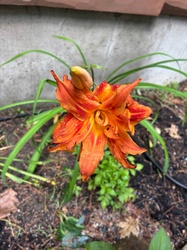
Daylily Identification Guide
Identify daylilies (Hemerocallis) by their grassy fountain of strap leaves, leafless flower scapes, and trumpet blooms that each last a single day.
Read the full Daylily encyclopedia entry →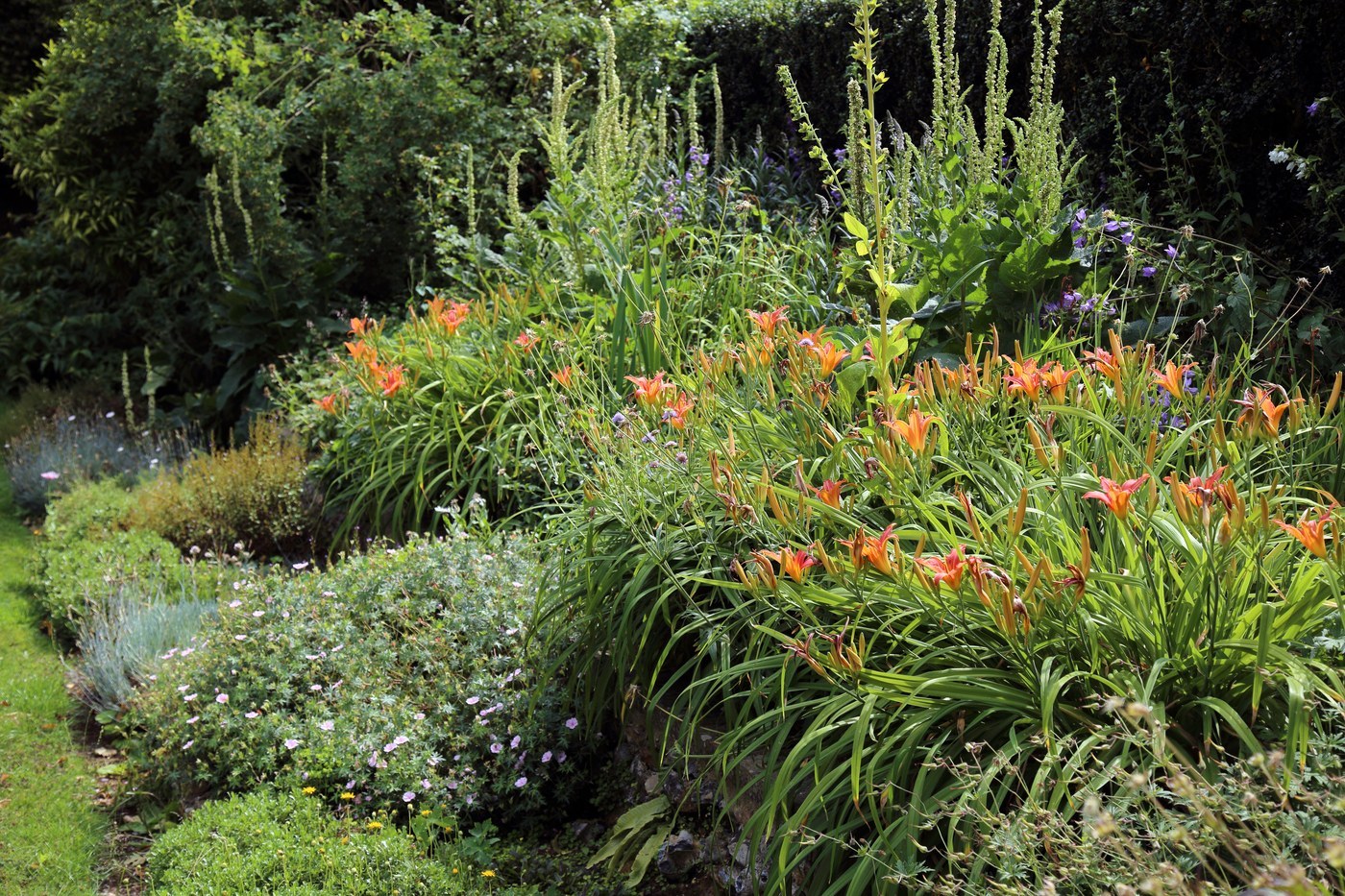
Key Identifying Features
The daylily (Hemerocallis) is named for its most reliable ID trait: each flower opens for only one day. Plants form dense clumps of arching, strap-like leaves with tall, leafless flower stalks (scapes) rising above them, each carrying several buds that bloom in succession.
- Growth form: fountain-like clump of grassy foliage
- Flowers: large, six-tepaled trumpets, often 3-6 in across
- Scapes: leafless, branched at the top, held above the leaves
- One-day blooms: each flower lasts ~24 hours, replaced by the next bud
Leaves & Stems
Leaves are long, narrow, and strap-shaped (linear), rising directly from the base in a two-ranked, fan-like arrangement that arches outward like a fountain. They are smooth, parallel-veined, and lack any midrib teeth. There are no true above-ground stems — only the flower scape, which is round, smooth, leafless, and often branched near the top. The common roadside "ditch lily" (Hemerocallis fulva) spreads by fleshy, tuberous roots into large colonies.
Flowers & Fruit
Each bloom has six tepals (three petals and three petal-like sepals) forming a funnel or trumpet, with six stamens and a single slender style. Wild orange daylilies are rusty-orange; garden hybrids span yellow, red, pink, purple, near-white, and bicolors. After blooming, some forms set small three-chambered seed capsules, though the common ditch lily is usually sterile and spreads vegetatively.
How to Tell It Apart from Look-Alikes
- True lilies (Lilium): grow from bulbs with a single leafy stem bearing whorled or scattered leaves up its length; daylily leaves all rise from the base and the scape is leafless.
- Iris: flat fans of leaves like daylilies, but iris flowers have three drooping falls and three upright standards with a very different structure, and grow from rhizomes.
- Agapanthus / amaryllis relatives: strap leaves too, but flower clusters and bulb structure differ.
The clinching combination is basal strap leaves + leafless branched scape + six-tepal trumpet that lasts one day.
Where You'll Find It
Daylilies are ubiquitous in gardens, along driveways, and naturalized along roadsides, ditches, and old homesteads — hence "ditch lily." They tolerate poor soil, sun or part shade, and a wide climate range, which is why they have escaped cultivation across much of North America.
Quick ID Checklist
- Arching fountain of strap-shaped basal leaves
- Leafless flower scape held above foliage
- Six-tepal trumpet flowers
- Each bloom lasts only one day
- Multiple buds opening in succession
- Spreading clumps, often near roadsides or gardens
Frequently asked questions
Why do my daylily flowers only last one day?
That is normal and is exactly how the plant got its name (Hemerocallis means 'beauty for a day'). Each flower opens for about 24 hours, then a new bud on the same scape opens to replace it.
What is the difference between a daylily and a true lily?
True lilies (Lilium) grow from bulbs and have one leafy stem with leaves running up it. Daylilies grow from fleshy roots, have all their strap leaves at the base, and bloom on a separate leafless stalk.
Is the orange roadside lily a daylily?
Yes. The common rusty-orange 'ditch lily' along roads and old homesteads is Hemerocallis fulva, a daylily that spreads by tuberous roots into large colonies.
Are daylily leaves the same as iris leaves?
They look similar as flat fans, but iris flowers have three drooping falls and three upright standards, while daylilies have a simple six-tepal trumpet. Iris also grows from thick rhizomes.
Daylily identified by the community
Recent Daylily specimens identified with Plant Identifier.