How to Care for Devil's Ivy
Devil's Ivy (pothos) is a near-unkillable trailing houseplant thriving in low to bright indirect light with easy, forgiving watering.
Read the full Devil's Ivy encyclopedia entry →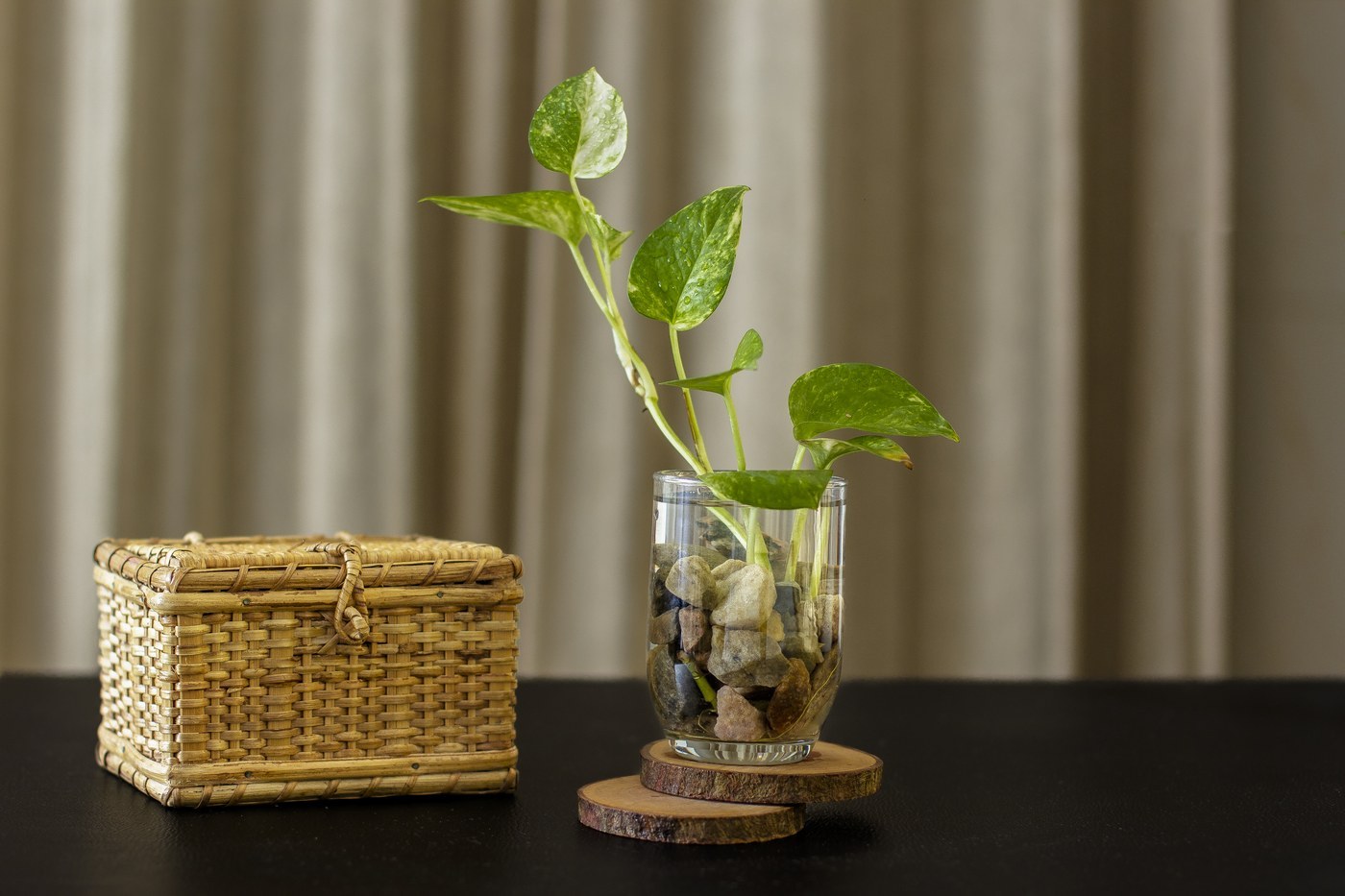
Devil's Ivy (Epipremnum aureum), commonly called pothos, is one of the easiest and most forgiving houseplants, prized for its cascading vines of glossy, heart-shaped leaves. It tolerates a wide range of conditions, making it ideal for beginners and low-light corners.
Light
Devil's Ivy adapts from low light to bright indirect light. Brighter, filtered light produces more variegation and faster, denser growth; in very low light it stays green and grows more slowly. Avoid harsh direct sun, which can scorch the leaves.
Water
Water when the top inch of soil dries out, then water thoroughly and let excess drain away. This plant is far more tolerant of underwatering than overwatering, so err on the drier side. Drooping, limp leaves usually signal thirst and perk up quickly after watering.
Soil & Potting
Use a standard well-draining potting mix. Pothos is not fussy, but a mix with some perlite or bark improves aeration and prevents soggy roots. Always plant in a container with drainage holes so water never pools at the base.
Humidity & Temperature
Pothos does well in average household humidity and typical indoor temperatures, thriving in warm rooms. It tolerates ordinary conditions but grows lushest with a bit of extra humidity. Keep it away from cold drafts and heating or cooling vents.
Feeding
Feed with a balanced liquid houseplant fertilizer diluted to half strength every month or so during the active growing season. It is a light feeder, so avoid overfeeding. Reduce or stop feeding in the low-light winter months.
Propagation
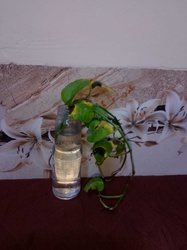
Propagation is extremely easy. Cut a stem section just below a node, ensuring at least one leaf and node, and root it in water or directly in moist potting mix. Roots form within a couple of weeks, and cuttings can be potted up or added back to the parent for fullness.
Repotting / Pruning
Repot every year or two when roots fill the pot, moving up one size. Prune anytime to control length and encourage bushier growth; trimming leggy vines just above a node prompts new branching. Save the cuttings to propagate.
Common Problems & Pests
Overwatering causes yellowing leaves and root rot, the most common issue. Brown, crispy leaf edges suggest very dry air or underwatering. Watch for mealybugs and spider mites, wiping foliage and treating infestations promptly. Sparse, pale growth means it needs more light.
Seasonal Care Tips
In spring and summer, growth accelerates; water a bit more often and feed monthly. In autumn and winter, growth slows, so cut back on water and hold off on fertilizer. Wipe dust from leaves periodically to keep them photosynthesizing efficiently.
Frequently asked questions
How often should I water Devil's Ivy?
Water when the top inch of soil feels dry, then soak thoroughly and let it drain. It prefers to dry out slightly and is much happier a little dry than soggy.
Can Devil's Ivy really grow in low light?
Yes, it tolerates low light better than most plants, though growth slows and variegation fades. For fuller, faster growth give it bright indirect light.
Why are the leaves turning yellow?
Yellow leaves most often mean overwatering. Let the soil dry out more between waterings and make sure the pot drains freely.
How do I make my pothos fuller?
Prune leggy vines just above a node to trigger branching, give it brighter light, and tuck rooted cuttings back into the pot to add density.
Devil's Ivy identified by the community
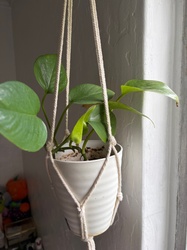
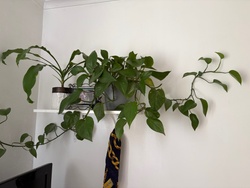
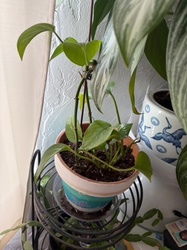
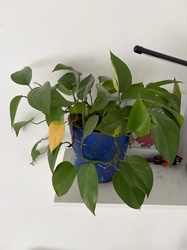
Recent Devil's Ivy specimens identified with Plant Identifier.