Devil's Ivy
Epipremnum aureum
A vigorous trailing vine with heart-shaped, often variegated leaves, famous for being nearly impossible to kill. One of the best beginner houseplants.
- Light
- Low to bright indirect light
- Water
- When top inch dries
- Difficulty
- Easy
Got a plant like this?
Identify any plant from a photo, free.
Overview
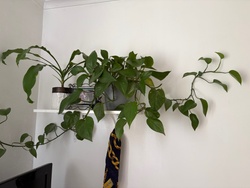
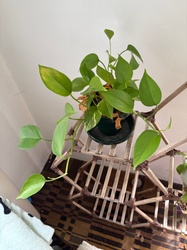
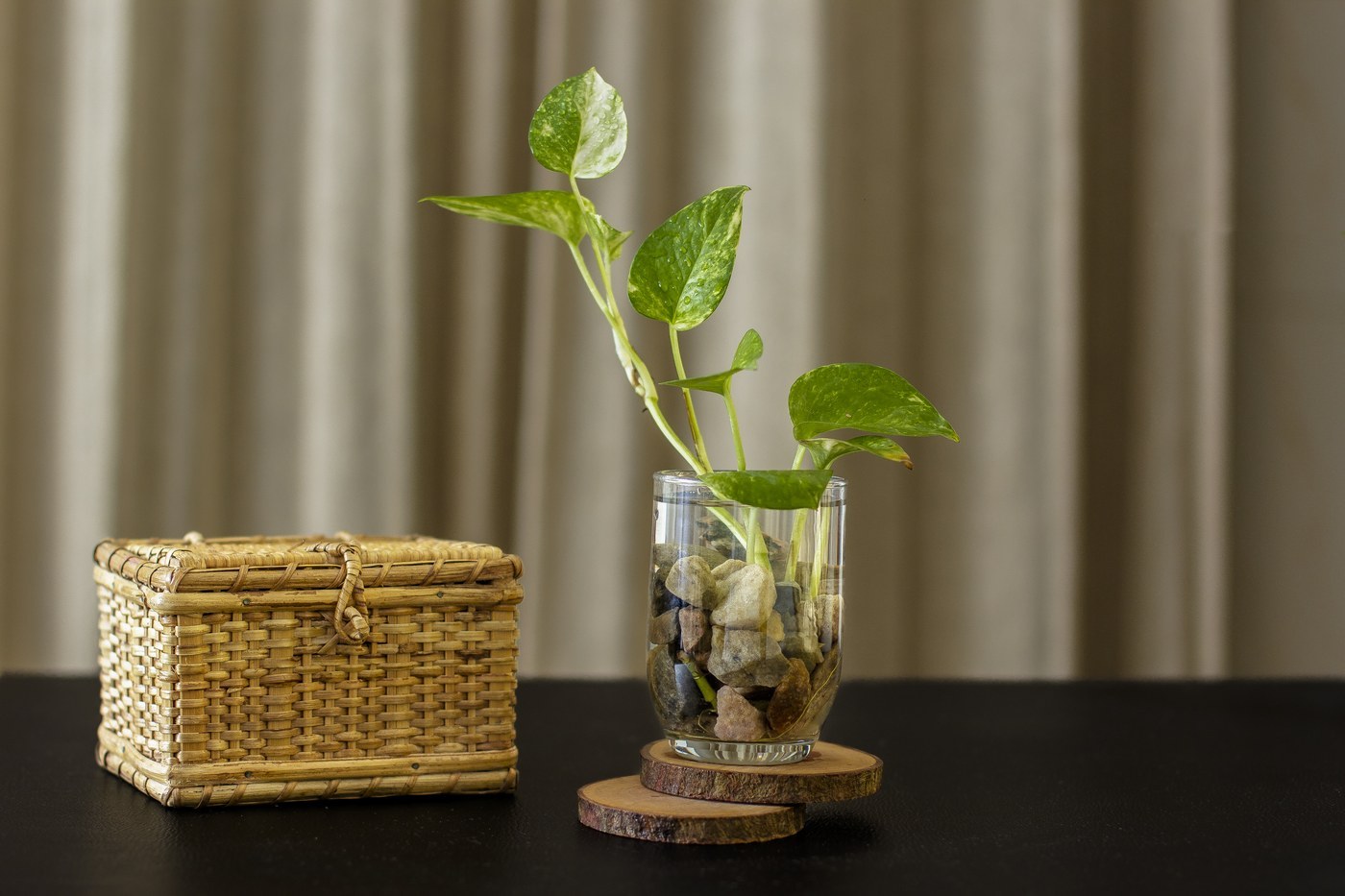
Devil's Ivy, better known as pothos, is an exceptionally tough trailing vine with glossy, heart-shaped leaves, frequently marbled in gold, white or green. It tolerates low light, irregular watering and general neglect, earning its devilish name because it stays green even in poor conditions.
It trails gracefully from shelves and baskets or climbs a support, growing quickly and rooting easily from cuttings. This combination of beauty, speed and forgiveness makes it one of the most popular houseplants in the world.
How to identify it
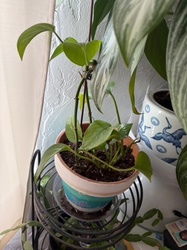
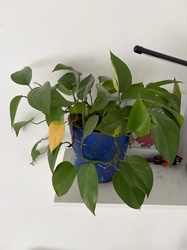
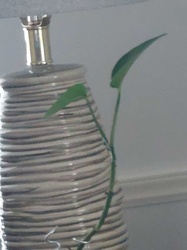
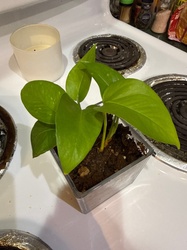
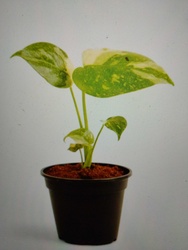
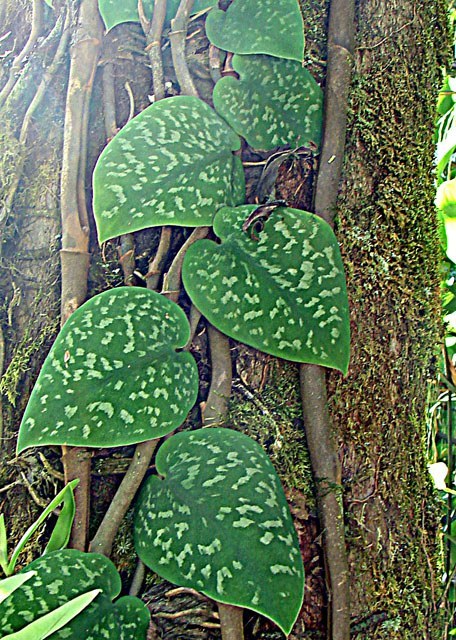
Recognize it by trailing stems lined with heart-shaped, often variegated, glossy leaves.
- Leaves: heart-shaped, glossy, commonly marbled with yellow, white or pale green
- Stems: trailing or climbing, rooting at the nodes
- Habit: fast-growing vine; trails several feet or climbs with support
- Note: mature climbing plants can develop much larger, lobed leaves; indoors leaves usually stay small
Care & growing
Adapts to low to bright indirect light; more light keeps variegation bold, while deep shade makes leaves greener and growth leggy.
- Water: when the top inch of soil dries; very forgiving of occasional drought
- Soil: any well-draining potting mix
- Temperature: 18 to 29 C; keep above 10 C
- Feeding: light monthly feeding in the growing season
- Propagation: extremely easy from stem cuttings rooted in water or soil
Habitat & origin
Native to the Solomon Islands and French Polynesia in the South Pacific, where it grows as a vigorous climbing vine up rainforest trees. It has naturalized and become invasive in many tropical regions worldwide. Indoors it is grown globally as one of the most common and beginner-friendly houseplants.
Frequently asked questions
Why is my pothos losing its variegation?
Too little light causes leaves to revert to solid green. Move it somewhere with brighter indirect light to restore the markings.
How do I propagate it?
Cut a stem just below a node and root it in water or moist soil. It roots very readily within a couple of weeks.
Can it grow in low light?
Yes, it tolerates low light well, though growth slows and variegated types may fade to green.
How do I tell devil's ivy apart from similar vines?
Look for thick, glossy, heart-shaped leaves marbled with gold or cream on trailing stems that root at the nodes; indoor leaves stay relatively small.
Devil's Ivy guides
In-depth guides for identifying, growing, and caring for Devil's Ivy.
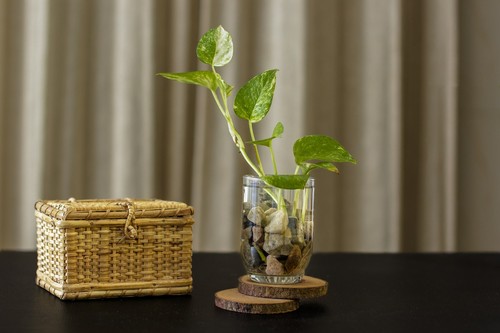
How to Care for Devil's Ivy
Devil's Ivy (pothos) is a near-unkillable trailing houseplant thriving in low to bright indirect light with easy, forgiving watering.
Devil's Ivy Identification Guide
Identify Devil's Ivy / Pothos (Epipremnum aureum) by its waxy, heart-shaped leaves with golden marbling and its vigorous trailing or climbing vines.
Devil's Ivy identified by the community
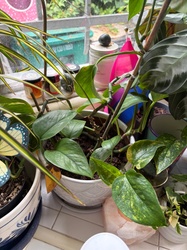
Real specimens identified with Plant Identifier.