Devil's Ivy Identification Guide
Identify Devil's Ivy / Pothos (Epipremnum aureum) by its waxy, heart-shaped leaves with golden marbling and its vigorous trailing or climbing vines.
Read the full Devil's Ivy encyclopedia entry →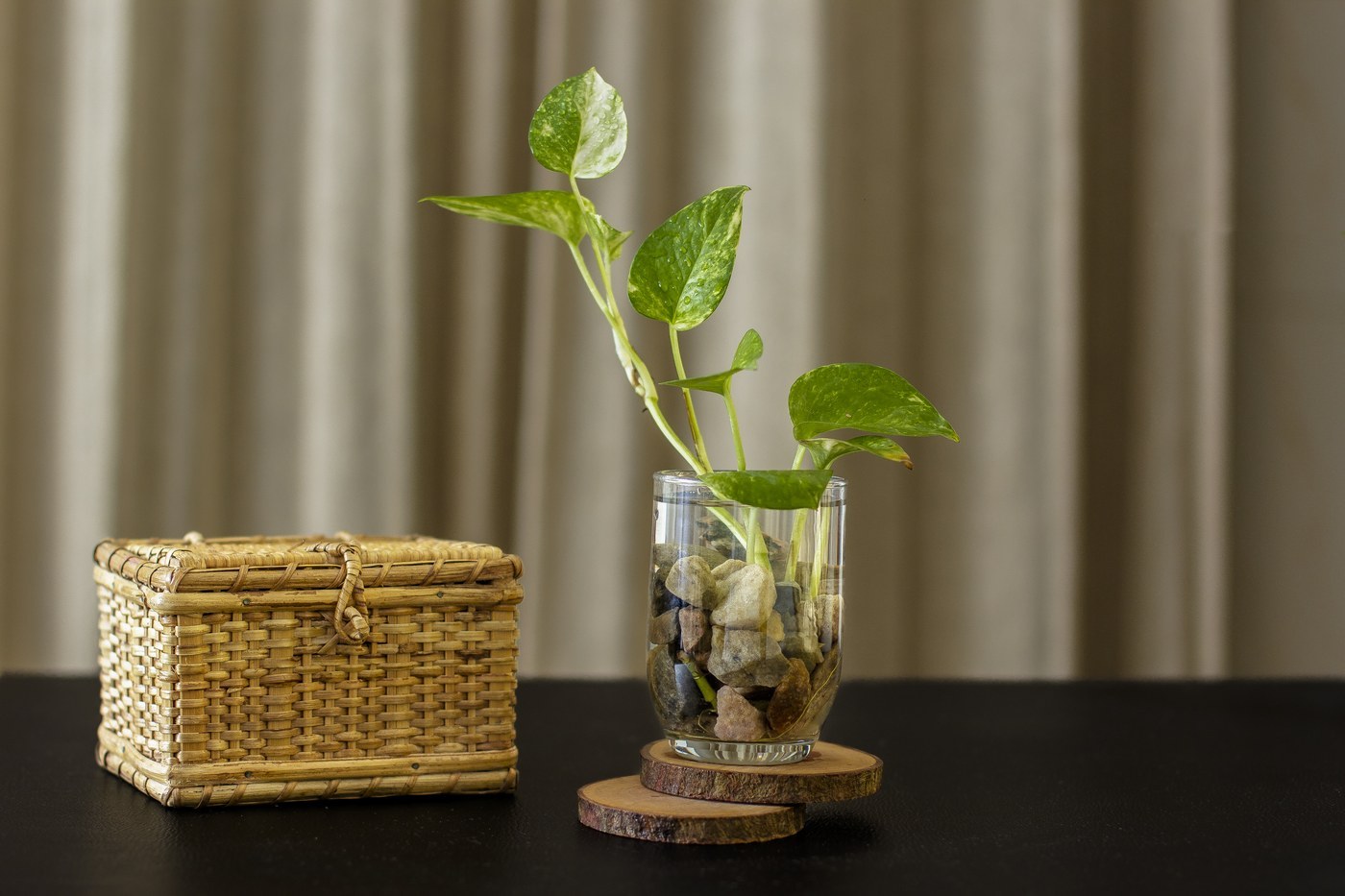
Key Identifying Features
Devil's Ivy, commonly called Pothos (Epipremnum aureum), is one of the easiest houseplants to grow and identify. Look for waxy, heart-shaped leaves marbled with yellow, cream, or white on long trailing or climbing vines.
- Thick, glossy heart-shaped leaves, usually 8–15 cm long indoors
- Variegation in gold, cream, or white streaks and flecks
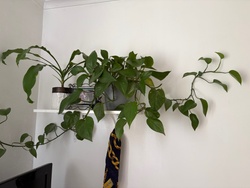
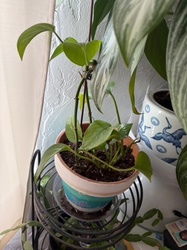
- Long, trailing or climbing vines that root at the nodes
- Vigorous, nearly indestructible growth
Leaves & Stems
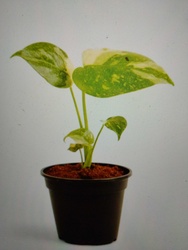
Leaves are leathery and slightly asymmetric, with a pointed tip and a smooth margin. The classic 'Golden Pothos' has green leaves splashed with golden-yellow; 'Marble Queen' is heavily cream-and-green; 'Neon' is solid chartreuse. Stems are green, flexible, and root readily at each node, where small nubby aerial rootlets form to grip surfaces. As a houseplant it stays in its juvenile form; if allowed to climb a tree, mature leaves can grow enormous and develop splits like a Monstera.
Flowers & Fruit
Devil's Ivy virtually never flowers in cultivation — it has lost the ability to bloom without a specific hormone trigger, and indoor plants essentially never produce the aroid-type spathe flower. Absence of flowers is normal and expected.
How to Tell It Apart from Look-Alikes
- Heartleaf Philodendron (Philodendron hederaceum): very similar trailing heart-shaped leaves, but Philodendron leaves are thinner, softer, and more matte, with a longer drawn-out tip; new growth emerges from a papery sheath (cataphyll). Pothos leaves are thicker, waxier, often more variegated, and new leaves unfurl directly from a previous leaf.
- Pothos petioles have a slight groove/indentation; Philodendron petioles are rounded.
- Satin Pothos (Scindapsus): has matte silver-spotted leaves, different from the glossy gold of true Pothos.
- The thick waxy heart leaves with gold marbling identify Epipremnum aureum.
Where You'll Find It
Native to the Society Islands (French Polynesia) and now naturalized across tropical regions, where it can become an invasive climbing weed. As a houseplant it is ubiquitous worldwide, tolerating low light, irregular watering, and neglect, and is popular in hanging baskets and trained up moss poles.
Quick ID Checklist
- Thick, waxy, glossy heart-shaped leaves
- Gold, cream, or white variegation
- Trailing or climbing vines that root at nodes
- Grooved petioles; new leaf unfurls from prior leaf (not a sheath)
- Rarely flowers
Frequently asked questions
How do I tell Pothos from a Heartleaf Philodendron?
Pothos leaves are thicker, waxier, and often variegated with grooved petioles, and new leaves unfurl from an existing leaf. Philodendron leaves are thinner and more matte, with rounded petioles and new growth from a papery sheath.
Why won't my Devil's Ivy flower?
Pothos essentially never blooms in cultivation because it stays in its juvenile phase and lacks the natural hormone trigger to flower. This is completely normal.
Why is my Pothos losing its variegation?
Variegated Pothos needs bright, indirect light to keep its gold or cream markings. In low light, leaves revert to solid green to capture more light.
Can Devil's Ivy climb?
Yes. In the wild and on a moss pole indoors it climbs using small aerial roots at each node, and climbing mature plants can develop much larger, sometimes split leaves.
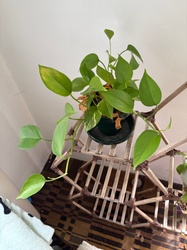
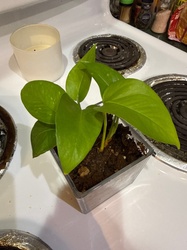
Devil's Ivy identified by the community
Recent Devil's Ivy specimens identified with Plant Identifier.