How to Care for Dogwood
Flowering Dogwood is a graceful understory tree that shines in dappled light with cool, evenly moist, acidic soil.
Read the full Dogwood encyclopedia entry →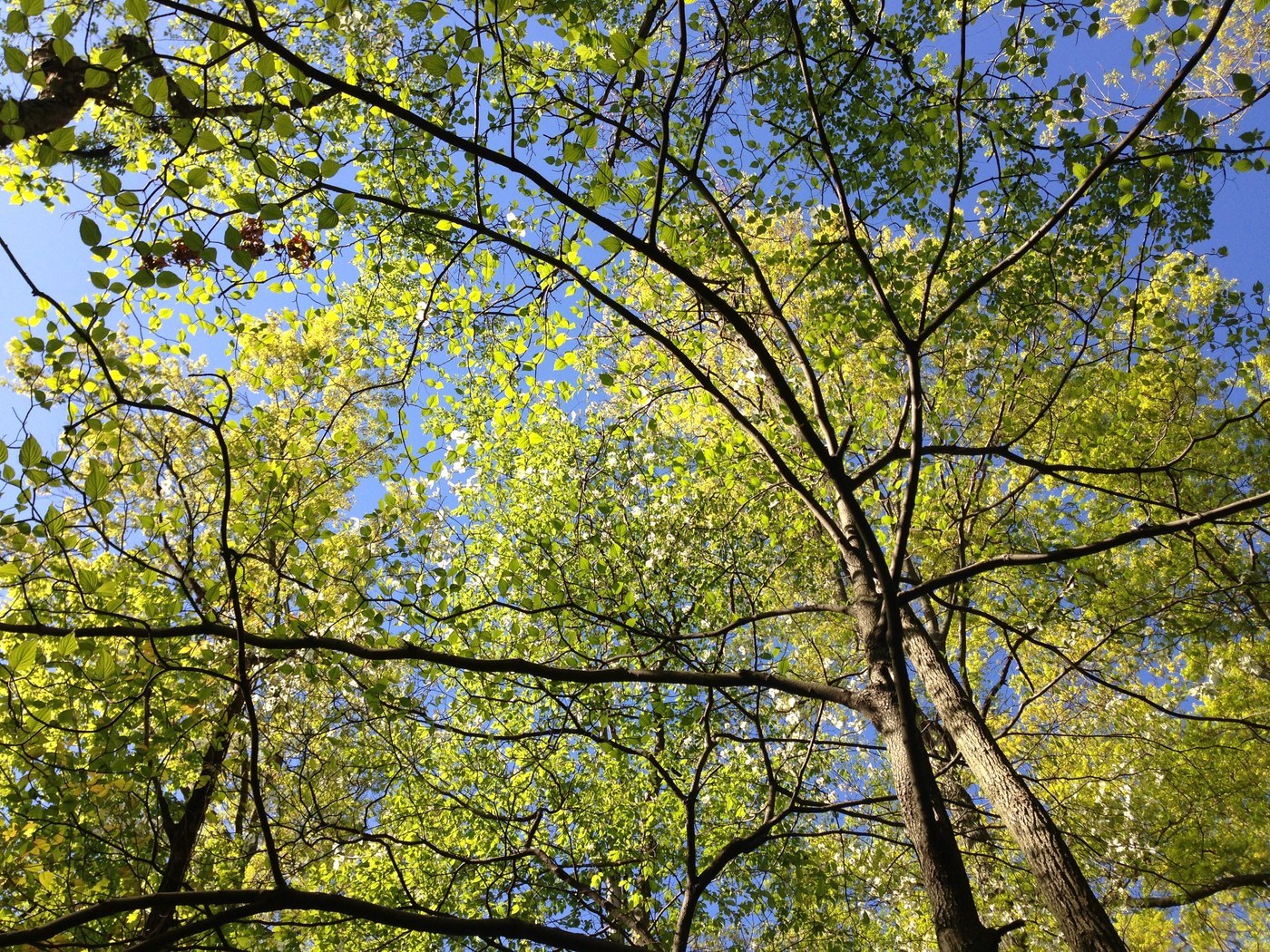
The Flowering Dogwood (Cornus florida) is a beloved small ornamental tree grown for its showy spring bracts, layered horizontal branching, and vivid autumn foliage. As a woodland understory tree it does best in dappled conditions and cool, moist soil, making it a moderate grower that rewards thoughtful siting.
Light
Dogwood grows in partial shade to full sun. In its native woodland setting it thrives in the dappled light beneath taller trees. Partial shade, especially protection from hot afternoon sun, keeps it healthiest in warm climates, while in cooler regions it tolerates and flowers well in full sun. Deep shade reduces flowering.
Water
Water moderately and keep the soil evenly moist. Dogwoods have shallow roots and are sensitive to drought, so consistent moisture is important, particularly during dry summer spells and through the establishment years. Avoid both drying out and waterlogging. A generous mulch layer is one of the best tools for maintaining steady soil moisture.
Soil & Potting
Dogwood prefers a fertile, humus-rich, well-drained soil that stays cool and moist, with a slightly acidic pH. Heavy, compacted, or alkaline soils cause stress and poor growth. Improve planting soil with plenty of organic matter, and apply a 5-8 cm organic mulch over the shallow root zone, keeping it clear of the trunk, to conserve moisture and moderate soil temperature.
Humidity & Temperature
This tree suits temperate climates with distinct seasons. It is cold-hardy and needs winter chill, but appreciates protection from extreme summer heat and drying winds, which can scorch the foliage. Good airflow around the canopy helps reduce foliar disease in humid conditions.
Feeding
Dogwood is a light feeder. A modest spring application of a balanced or slightly acidic fertilizer supports growth and flowering on poorer soils, but avoid heavy feeding, which can encourage soft, disease-prone growth. On rich, well-mulched soil, decomposing organic mulch often meets most of its needs.
Propagation
Propagate Dogwood from softwood cuttings taken in early summer under mist, or from seed, which needs cold stratification and can be slow and variable. Named cultivars are usually grafted or budded. Layering low branches is another option. Seed-grown trees take several years to reach flowering size.
Repotting / Pruning
Dogwood needs minimal pruning and looks best with its natural layered form left largely intact. Remove dead, damaged, or crossing branches and any water sprouts. Prune in late spring to early summer after flowering, or in dormancy, taking care with timing to reduce disease and sap-bleeding risk. Young container trees can be potted up in spring until planted out.
Common Problems & Pests
Dogwoods can be affected by anthracnose and powdery mildew, especially in damp, crowded, or stressed conditions; good airflow, mulching, and steady moisture help prevent them. Borers may attack stressed or wounded trunks, so avoid bark damage. Leaf scorch signals drought or excessive heat and sun. Keeping the tree unstressed is the best defense.
Seasonal Care Tips
Plant in early spring or autumn in a sheltered, partly shaded spot with rich, moist soil. Mulch well and water consistently through the first summers and during droughts. Enjoy the spring bracts and autumn color, and inspect foliage in humid weather for early signs of fungal disease. Avoid mechanical trunk damage year-round.
Frequently asked questions
Does Dogwood prefer sun or shade?
It grows in partial shade to full sun. As a woodland understory tree it thrives in dappled light, and in hot climates protection from harsh afternoon sun keeps it healthiest.
Why are my Dogwood's leaves scorching?
Leaf scorch usually comes from drought, heat, or too much direct sun on a shallow-rooted tree. Mulch well, water consistently, and consider a spot with some afternoon shade.
How do I prevent disease on a Dogwood?
Keep the tree unstressed with steady moisture and mulch, ensure good airflow around the canopy, avoid overhead wetting, and prevent bark wounds that let in borers and pathogens.
When should I prune a Dogwood?
Prune lightly after flowering in late spring to early summer, or during dormancy, removing only dead, damaged, or crossing wood to preserve its graceful layered form.
Dogwood identified by the community
Recent Dogwood specimens identified with Plant Identifier.